Key takeaways
- MUSE began operating Armo One at Foodcellar Market in Long Island City in August 2026, its first U.S. in-store deployment.
- The pilot targets heavy merchandise transport on carts so associates can shift time to stocking and customer service.
- Neighborhood grocers should validate aisle width, floor transitions, and peak-hour traffic before copying a city pilot.
- Buy or lease financing plus a vendor-neutral integrator keeps hardware choice separate from deployment and service.
- Simbe reported more than 3,000 Tally units under contract in 2026, showing grocers already fund aisle robotics at scale.
What is happening at Foodcellar Market?
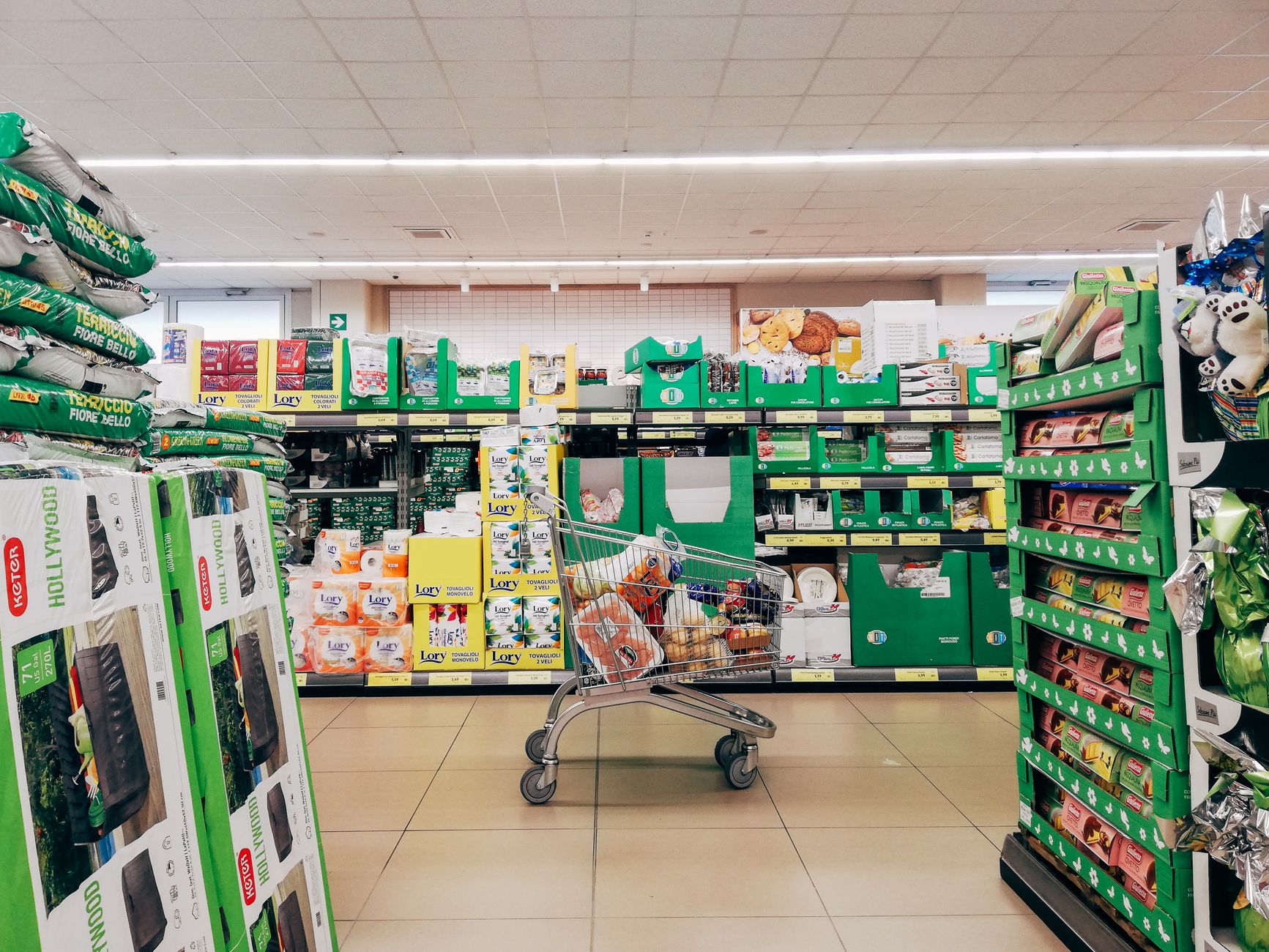
MUSE Inc. began operating its Armo One robot at Foodcellar Market in Long Island City, Queens, in August 2026, according to the company's August 25 announcement. Foodcellar is a neighborhood grocery operated by Simply Food L.I.C. LLC, and the store became the first U.S. location to run Armo in live operations rather than on a trade-show floor.
The stated job is in-store merchandise transport. Armo moves carts loaded with heavy products so associates spend less time pushing weight through aisles and more time on merchandising, shelf work, and customer conversations. MUSE won first place in the Shark Reef Startup Pitch at Groceryshop 2025 before moving into this pilot, which the company frames as a step toward broader U.S. retail conversations.
Why are grocers looking at aisle robots now?
Grocery margins stay thin while wages and recruiting pressure keep rising. MUSE cites labor shortages, higher labor costs, and the physical toll of moving heavy cases as reasons retailers explore automation. That matches what many independent operators see on night fill and backroom-to-aisle runs.
Shelf intelligence robots already proved grocers will fund aisle automation when the business case is clear. Simbe announced in 2026 that more than 3,000 of its Tally inventory robots were under contract, which Automate.org described as the largest commercially committed fleet of autonomous shelf-intelligence technology in its research. Transport robots attack a different bottleneck, but they ride the same trend: reduce walking that does not need a human touch.
What tasks should an in-aisle robot own?
Armo's pilot focuses on cart-based merchandise moves, not customer-facing checkout or public greeting roles. That distinction matters for staff buy-in and for how you schedule routes.
Good candidates are repeatable, heavy, and low-empathy trips: pallet break-down to dairy, beverage stacks to endcaps, or bulky paper goods from the backroom. Poor candidates are judgment calls on damaged produce, personalized service at the deli counter, or anything that needs constant human override during peak Saturday traffic.
- Heavy cart pushes on fixed backroom-to-aisle loops
- Predictable restock windows when customers are sparse
- Routes with wide aisles and few temporary displays
- Trips where one missed turn blocks the whole aisle
How do you know if your store layout can support it?
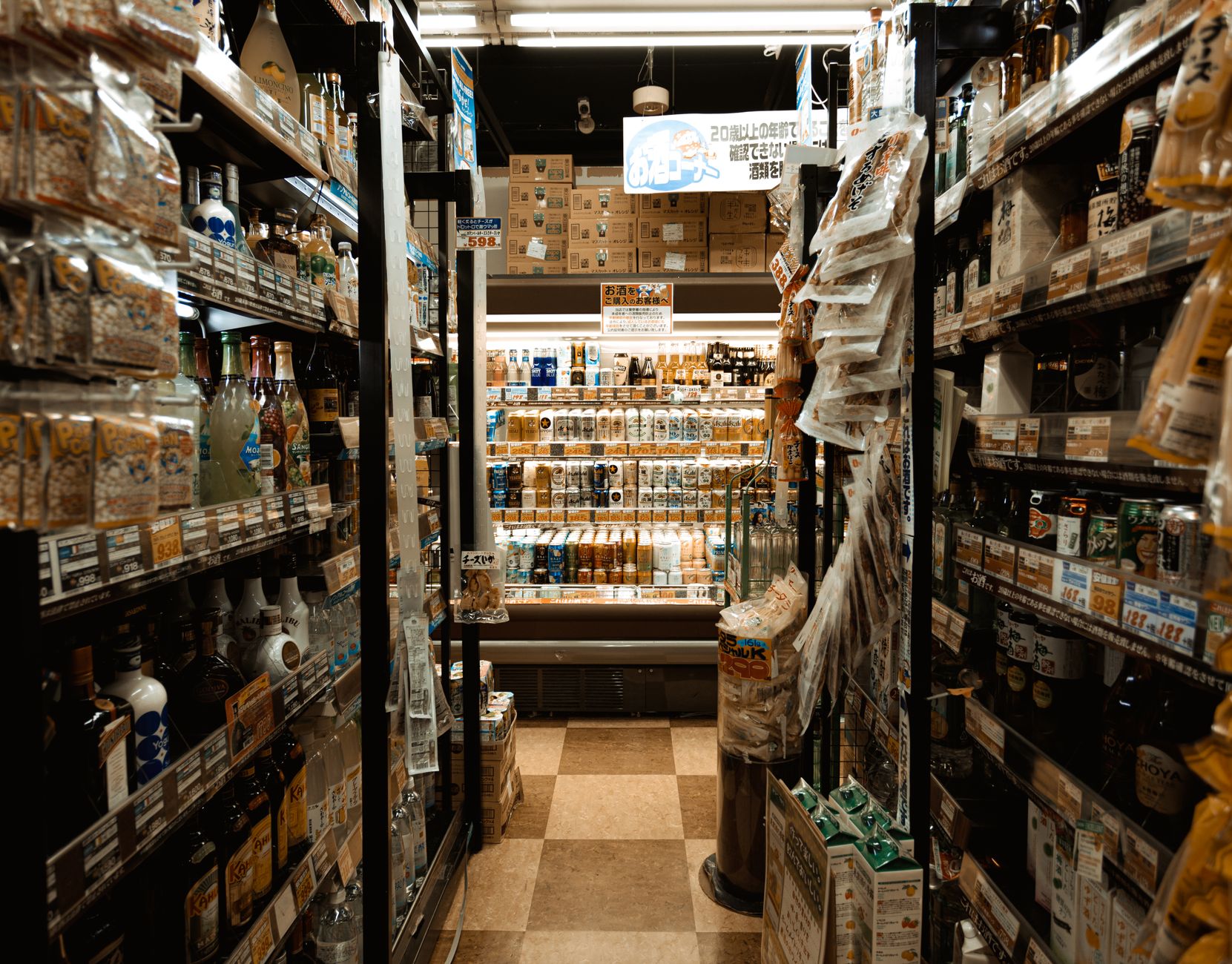
City pilots often run in newer or well-maintained floors. A suburban store with narrow vintage aisles, speed bumps at the receiving door, or seasonal pallet stacks in the center aisle may need layout changes before a robot earns its keep.
Walk your worst-case route with a loaded cart and a tape measure. Note doorway widths, ramp slopes, floor seams, and where customers cluster. If associates already struggle to pass each other at 5 p.m., a robot will struggle too unless you time routes for early morning or late evening.
Service Robot Co. starts many grocery conversations with a free site assessment and mapped test paths, because the integrator work is as important as the hardware badge on the unit.
Should you buy, lease, or run a short pilot first?
Foodcellar is explicitly evaluating performance before deciding on expansion, which is the right posture for any operator watching this headline. A pilot proves route time, associate handoffs, and customer reaction on your floor, not on a vendor video.
Buying outright can make sense when you have capital and a proven route. Leasing through financing spreads cost and pairs well with a phased rollout from one store to a small group. Either way, plan for integration labor: mapping, training, and service response when a wheel encoder fails on a humid summer night.
Robot leasing for business often includes monthly payment programs, but read what is actually in the contract. Service Robot Co. stays vendor neutral, so financing and hardware choice stay tied to your layout rather than a single manufacturer's demo unit.
What should store leaders ask before signing?
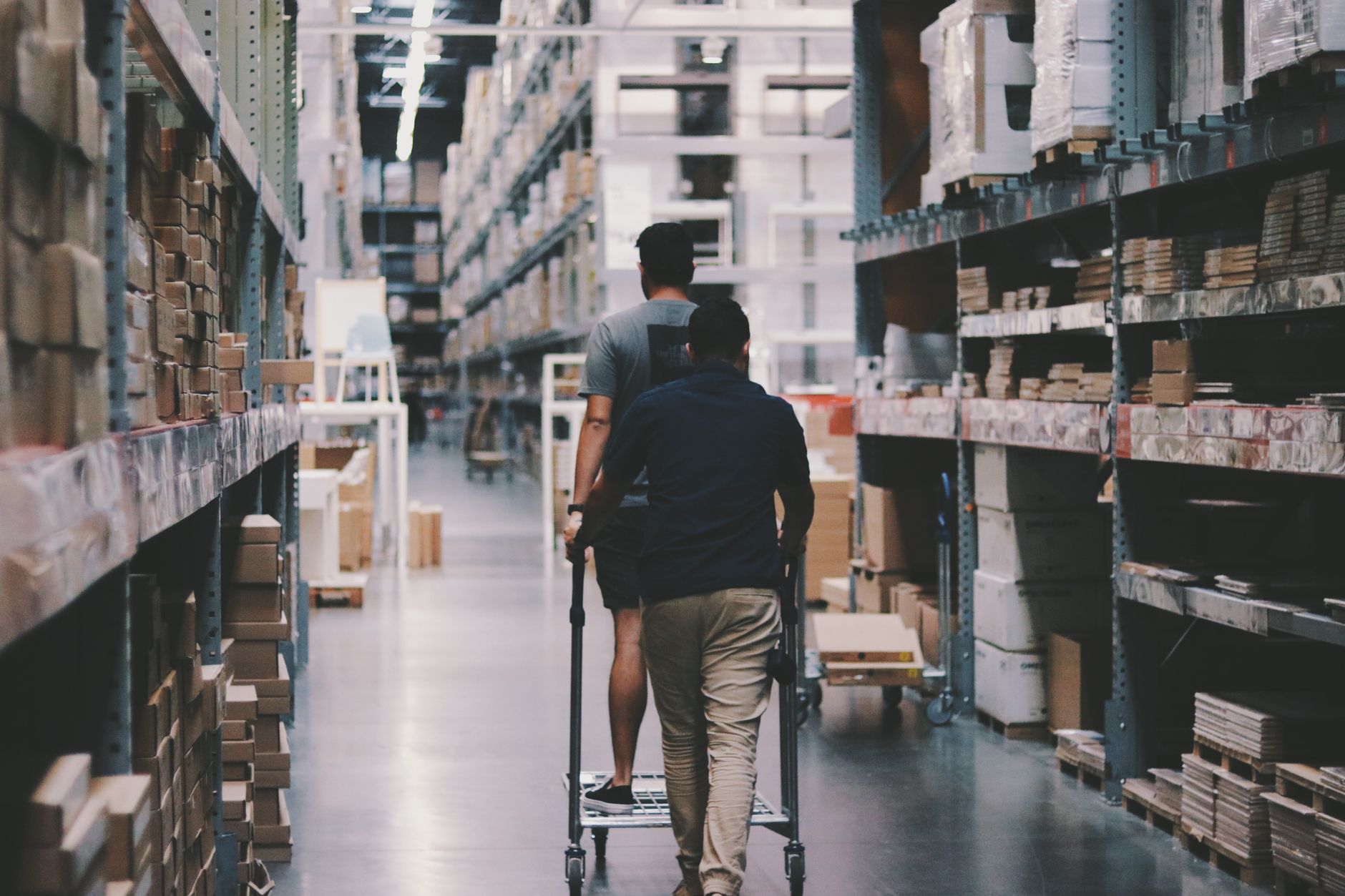
Copy the pilot, not the press release. Ask how many hours per week the robot must run to justify onboarding, and what happens when the store runs a promotion that blocks a mapped aisle.
Clarify who owns safety training, who updates maps after a remodel, and how fast a technician can reach your zip code. Relay Robotics, for example, told hospitals that deployment including mapping and training can take roughly one to two weeks, which is a useful benchmark for planning even though Armo is a different machine class.
Demand clarity on data: what the robot records, where video lives, and how it interacts with your existing cameras and Wi-Fi. Grocery operators already juggle PCI and loyalty data; a new connected device should not become an orphan on the network.
How does this fit a wider automation plan?
Merchandise transport robots do not replace overnight aisle scrubbing or security patrols on the lot. They complement autonomous scrubbers that handle grocery store cleaning robot duties after close, and they sit upstream of inventory robots that count shelves.
The operators who win treat each robot type as a chapter in one playbook: map once, train once, and keep one phone number for service. That is the practical meaning of turnkey robot deployment for a multi-site grocer who cannot manage five vendor portals.
If Armo-style transport works on your floor, the next question is fleet coordination: stagger routes so a scrubber, a transport unit, and a shelf scanner never meet in the same narrow aisle at once.
What comes next for U.S. neighborhood grocers?
MUSE said it is in discussions with several major U.S. retailers while it refines Armo with Foodcellar's team. Independents should watch whether the pilot publishes hard metrics on hours saved and injury reduction, because those numbers will filter into chain RFPs quickly.
Your move is not to wait for perfect national data. Document your heaviest cart routes this week, price a lease purchase program with realistic service terms, and run a try-before-you-buy style pilot if the vendor offers one.
The grocers who treat August 2026 as a signal, not a spectacle, will be ready when aisle robots show up in distributor line cards alongside scrubbers and security patrol units.
Frequently asked questions
Sources
Service Robot Co. is not affiliated with, sponsored by, or endorsed by the companies mentioned in this article.