Key takeaways
- A hot spare robot wins when swap time beats field repair and the missed shift is expensive.
- Parts libraries pay off for high-volume fleets with fast local technicians and short travel.
- Preloaded maps and credentials turn a spare unit into a same-night recovery, not a second project.
- Distance and fleet count decide the break-even: three sites two hours apart rarely share one traveling tech.
- Integrator loaner pools can cover the gap without buying a full duplicate machine.
When does a spare robot beat a spare parts shelf?
Choose a ready spare robot when losing one machine stops work you cannot push to tomorrow. That is common for overnight floor scrubbing, early-morning delivery loops, and patrol routes that must run on schedule. A parts strategy assumes a technician can diagnose, install, and validate on site before the next shift.
If the next shift starts in six hours and your closest qualified tech is three hours away, a configured spare often costs less than expedited freight plus overtime. An ABB Value of Reliability survey of 3,215 plant maintenance leaders reported that more than two-thirds of industrial businesses see unplanned outages at least monthly, which is the rhythm facilities teams already plan around.
The decision is not ideology. It is arithmetic on swap time, travel, and what you lose while the floor stays dirty or carts stack up.
What does swap time really include?
Swap time is more than unboxing. It covers moving the failed unit aside, docking the spare, confirming maps and zones, and running a short validation pass. For autonomous scrubbers that means checking water paths, pad contact, and emergency stops. For delivery or patrol units it means elevator permissions, door integrations, and radio handoff.
Field repair time includes diagnosis, parts identification, installation, calibration, and a repeat validation pass. A worn drive wheel might be a twenty-minute fix in the shop and a ninety-minute fix in a loud corridor at 2 a.m.
Document both numbers honestly for your building. If swap is under forty-five minutes and repair averages half a shift, the spare unit earns its square footage.
How does fleet size change the math?
Single-unit sites feel downtime as a binary: the robot is up or the task does not run. A spare is insurance against one bad battery, one flooded suction line, or one software lockout before a holiday weekend.
Three-unit fleets on one campus can sometimes absorb a loss by reassigning routes, but only if maps and staffing allow. Five or more units across a metro may justify a regional parts kit plus a float unit at the hub site that feeds the outliers.
Siemens True Cost of Downtime research noted that major manufacturers averaged about 27 hours of unplanned downtime per plant per month in recent surveys, down from 39 hours in 2019, while recovery times stretched. Facilities robots follow the same pattern: fewer incidents, but each one hurts more when labor is thin.
Where do spare parts still make sense?
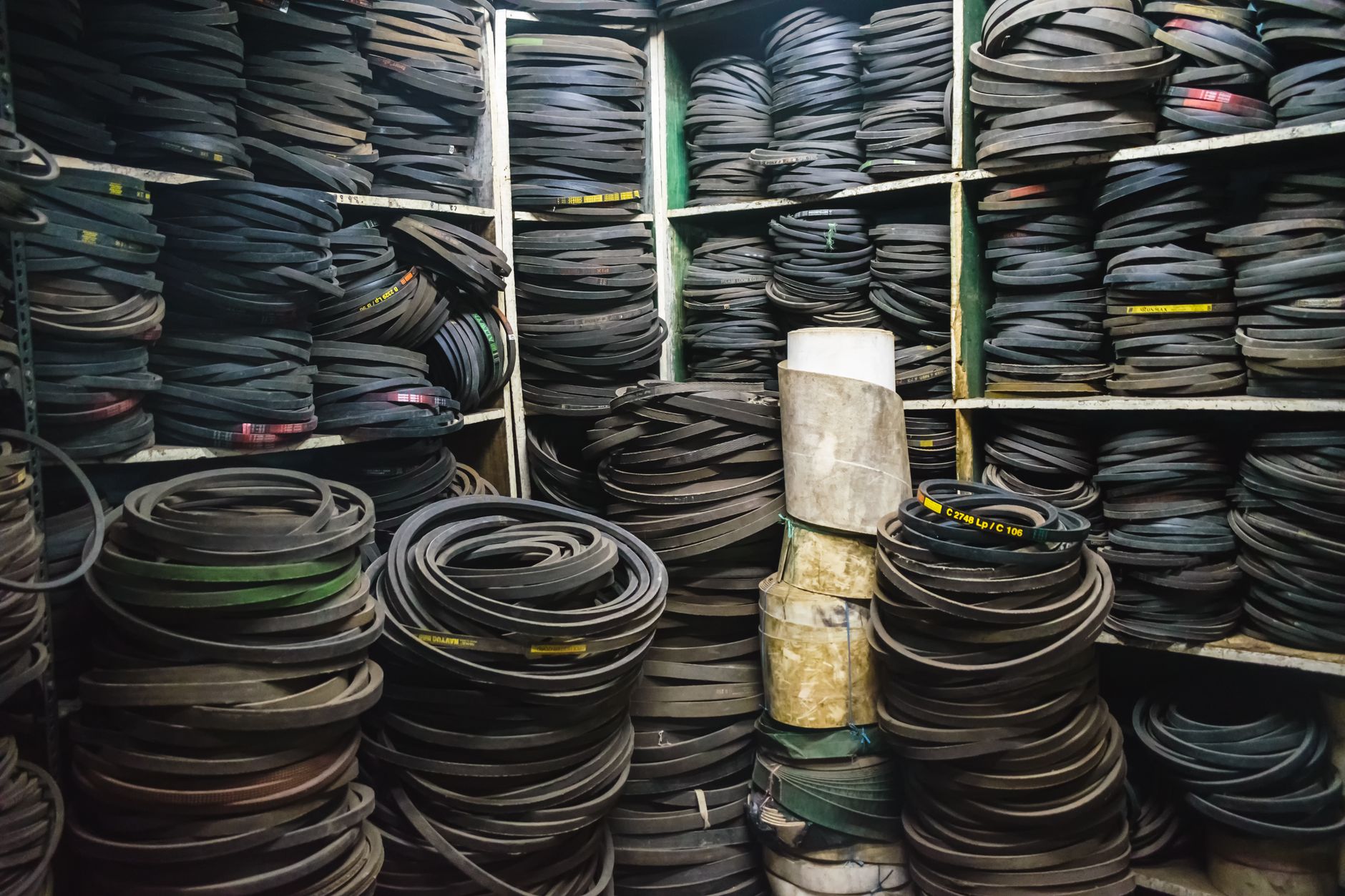
Stock parts when failures repeat, are small, and your team can fix them without factory escalation. Squeegees, brushes, filters, casters, and charging contacts are classic examples. Keep serial-level parts, such as main control boards, only when you have trained staff and a clean static-safe workspace.
Parts shine when the same technician visits weekly and knows the dock layout. They shine less when every site has a different Wi-Fi name, a different elevator vendor, and a different night manager.
Avoid duplicating entire subsystems in a closet unless usage data proves it. Idle boards age, firmware drifts, and batteries need exercise.
How far apart are your sites?
Geography is the hidden tax. Two retail stores ninety minutes apart effectively share one technician only if you accept that both cannot fail the same night.
A spare robot staged at the distant store removes the drive time from the equation. The night lead swaps units, logs the fault, and the integrator picks up the failed machine later in the week.
For rural campuses, consider whether a spare lives on a trailer with power and a charger rather than in a back office without ventilation. Storage conditions matter as much as inventory counts.
What about software, maps, and credentials?
A spare robot that boots to a blank map is not a spare. It is a second deployment. Golden images should include site maps, zone names, user roles, and integration tokens your building already approved.
Rotate spares through light work monthly so batteries cycle and software updates do not surprise you on swap night. Pair each spare with a one-page swap checklist taped inside the charger cabinet.
Service Robot Co. stages loaner units with the same map bundle as production when customers carry a backup robot program in their service agreement. That keeps swap night boring, which is the goal.
How should you weigh interrupted work?
Interrupted work is the numerator everyone underestimates. Missed overnight scrubbing may mean manual mop crews at overtime rates. Missed delivery loops may mean front-desk staff walking trays during a rush. Missed patrols may mean security overtime or a gap in coverage you must explain to insurers.
Industrial surveys often cite six-figure hourly downtime for large plants. Your building is not an automotive line, but the structure is the same: cost equals idle labor plus rework plus reputation.
Write down what actually happens when the robot does not run. Use that paragraph in the business case, not a generic industry average.
Can financing change the spare decision?
Monthly robot rental and lease programs sometimes bundle a backup unit or swap entitlement for less than carrying a full parts crib and emergency freight account. Read whether the spare is co-located, shipped next-day, or swapped at the integrator depot.
Capital purchases tempt teams to skimp on spares. Operating budgets tempt teams to skimp on parts. A neutral integrator can model three-year cost for each path using your real travel and labor numbers.
Treat the spare as capacity, not luxury. You are buying continuity of the task, not a duplicate toy.