Key takeaways
- Trailer-unloading robots tend to pay off before full warehouse automation when inbound floor-loaded volume is repetitive, labor coverage is unstable, and dock dwell is spilling into overtime or detention.
- The ROI case is usually driven less by headline labor removal and more by a stack of smaller gains: steadier unload speed, fewer damaged cases, lower ergonomic exposure, and better door availability.
- Current labor and safety data still support the problem. BLS shows 299,000 job openings in transportation, warehousing, and utilities in June 2026, and warehousing logged a 4.8 total recordable injury rate in 2024.
- A good pilot does not try to automate every inbound trailer. It proves one narrow lane first: the right trailer mix, the right doors, the right carton profile, and clean handoff into putaway.
The short answer: when does the math work?
A regional grocery DC should automate inbound trailer unloading when unloading has become a repeatable operating constraint, not just an occasional staffing headache. In plain terms, that means a meaningful share of inbound trailers arrive floor-loaded, the cases are consistent enough for a robot to handle predictably, and the receiving team is routinely using temp labor, outside unload crews, or overtime to keep doors from backing up.
The strongest business case appears when three costs are landing at once. First, labor coverage is volatile. Second, trailers are sitting at doors long enough to disrupt appointment flow, put-away timing, or driver time. Third, manual unload quality is slipping under fatigue, shown by damaged cases, unstable walls, or more near-miss ergonomic events. If two or three of those conditions are already present, trailer automation can clear ROI well before a wider warehouse automation project does.
This is not a speculative edge case anymore. On June 23, 2026, a robotics manufacturer and its software partner announced expanded deployment of trailer loading and unloading robots, and on July 30, 2026, a major parcel carrier announced an expanded hub deployment for autonomous trailer loading. That matters for grocery operators because trailer handling has moved from trade-show theater into real production discussion.
- Good fit: repeat inbound pain, stable carton flow, recurring overtime, dock congestion, ergonomic strain
- Bad fit: highly irregular inbound, constant mixed exceptions, low trailer counts, or a receiving process that is already lightly staffed and rarely constrained
Why are grocery DCs looking at this now?
Labor conditions are still pushing the issue. According to the U.S. Bureau of Labor Statistics, transportation, warehousing, and utilities had 299,000 job openings in June 2026. That is not just a hiring statistic. In grocery distribution, it shows up as uneven shift fill, more dependence on temporary labor, and supervisors spending too much time stitching together unload coverage at the last minute.
Safety pressure has not eased either. BLS reports that warehousing and storage posted a total recordable injury and illness rate of 4.8 cases per 100 full-time workers in 2024, with 4.1 cases involving days away, restriction, or transfer. OSHA is even more direct about the task-level risk. Its warehousing guidance says overexertion and musculoskeletal strain remain common, and its grocery warehousing material flags overtime, skipped breaks, and manual depalletizing patterns as contributors to injury.
The compliance backdrop is tighter now too. OSHA says inspections under its updated National Emphasis Program on Warehousing and Distribution Center Operations began on July 31, 2026. That does not mean every grocery DC should buy a robot for compliance reasons. It does mean operators have a stronger incentive to treat physically punishing unload work as an engineering and process problem, not just a staffing line item.
What costs actually belong in the ROI calculation?
Most receiving teams undercount the real cost of manual unloading because they isolate hourly labor and ignore the spillover. Trailer unloading affects dock scheduling, put-away cadence, driver detention exposure, product quality, and the odds that tired crews start making expensive mistakes late in the shift.
A credible ROI model should compare the robot against the current manual state, not against an idealized manual process that the site does not actually run. If your current method depends on overtime every week, premium temp fill during peaks, or unload contractors for ugly trailers, those belong in the baseline.
- Direct labor used to unload floor-loaded trailers, including overtime and temp premiums
- External unloading or lumper expense, if used regularly
- Dock dwell and detention exposure when unloads run long or start late
- Supervisor and lead time spent reassigning labor to rescue receiving
- Damaged cases, unstable restacks, and shrink tied to rushed or fatigued unload crews
- Injury, restricted-duty, and absenteeism risk tied to repetitive manual handling
- Downstream disruption, including put-away delays, slotting misses, and missed receiving appointments
Which inbound profiles clear the bar fastest?
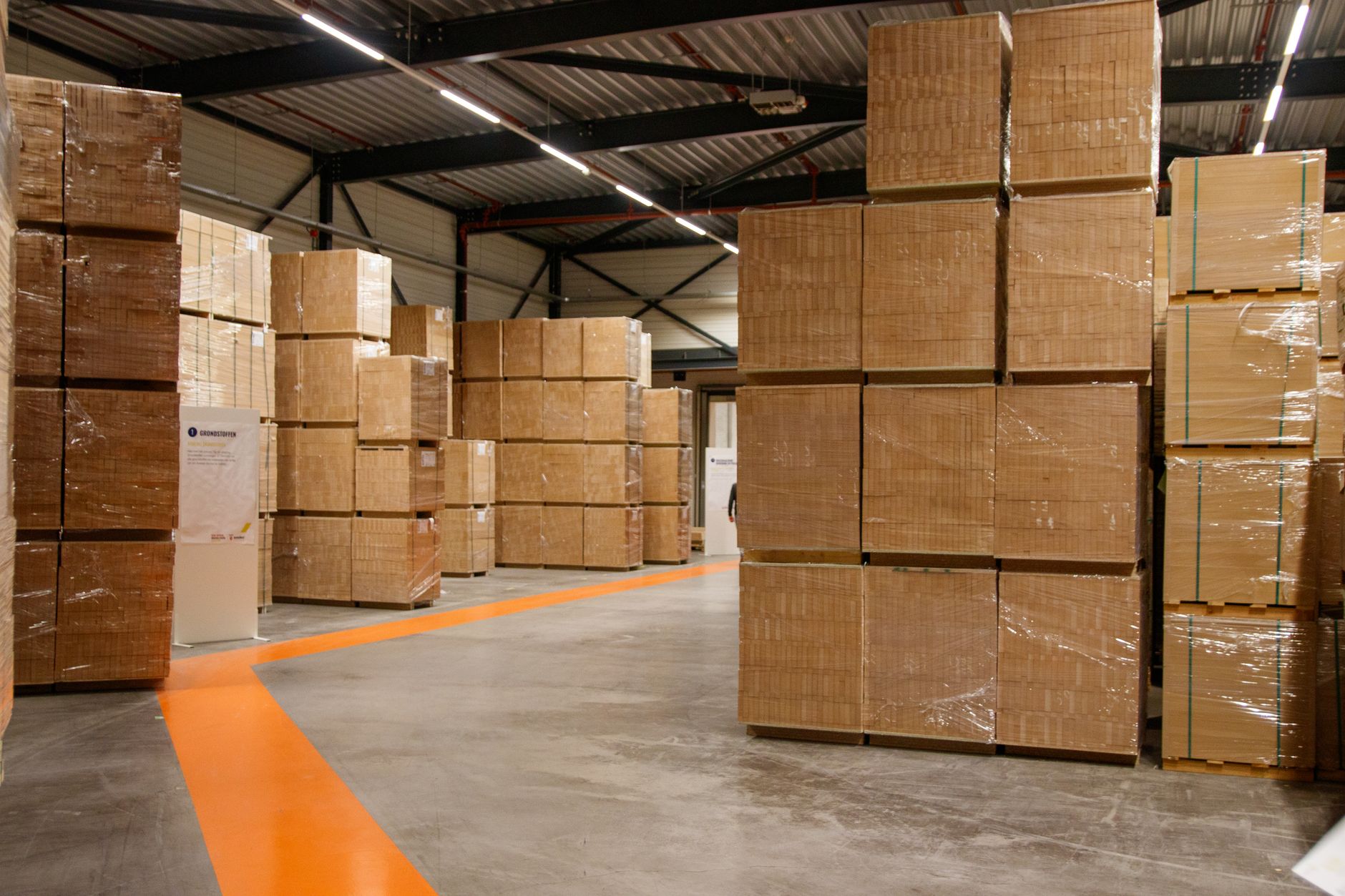
The earliest wins usually come from a narrow slice of inbound, not from every trailer in the yard. Grocery DCs should look first at doors receiving floor-loaded cartons with enough repetition in case size, weight range, and stacking patterns for automation to stay productive. The point is not to chase perfect uniformity. It is to find the lane where variability is manageable and volume is steady enough to keep the equipment busy.
Refrigerated and food distribution environments can still fit, but the bar is operational discipline. Trailer presentation, dock staging, pallet handoff, exception handling, and sanitation procedures need to be defined. If the site treats inbound as a constant improvisation exercise, automation struggles. If the site can say, with confidence, which trailers are ugly and which ones are predictable, it is already close to a usable automation scope.
- High-volume floor-loaded inbound from repeat shippers
- Case profiles that stay within a known weight and size band most of the time
- Receiving doors that see recurring congestion across the same shifts or days
- Operations already paying for overtime, extra hands, or unload contractors to protect appointment flow
- Facilities where damaged cartons or unstable pallet rebuilds are a known pain point
How much does dock dwell matter to the decision?
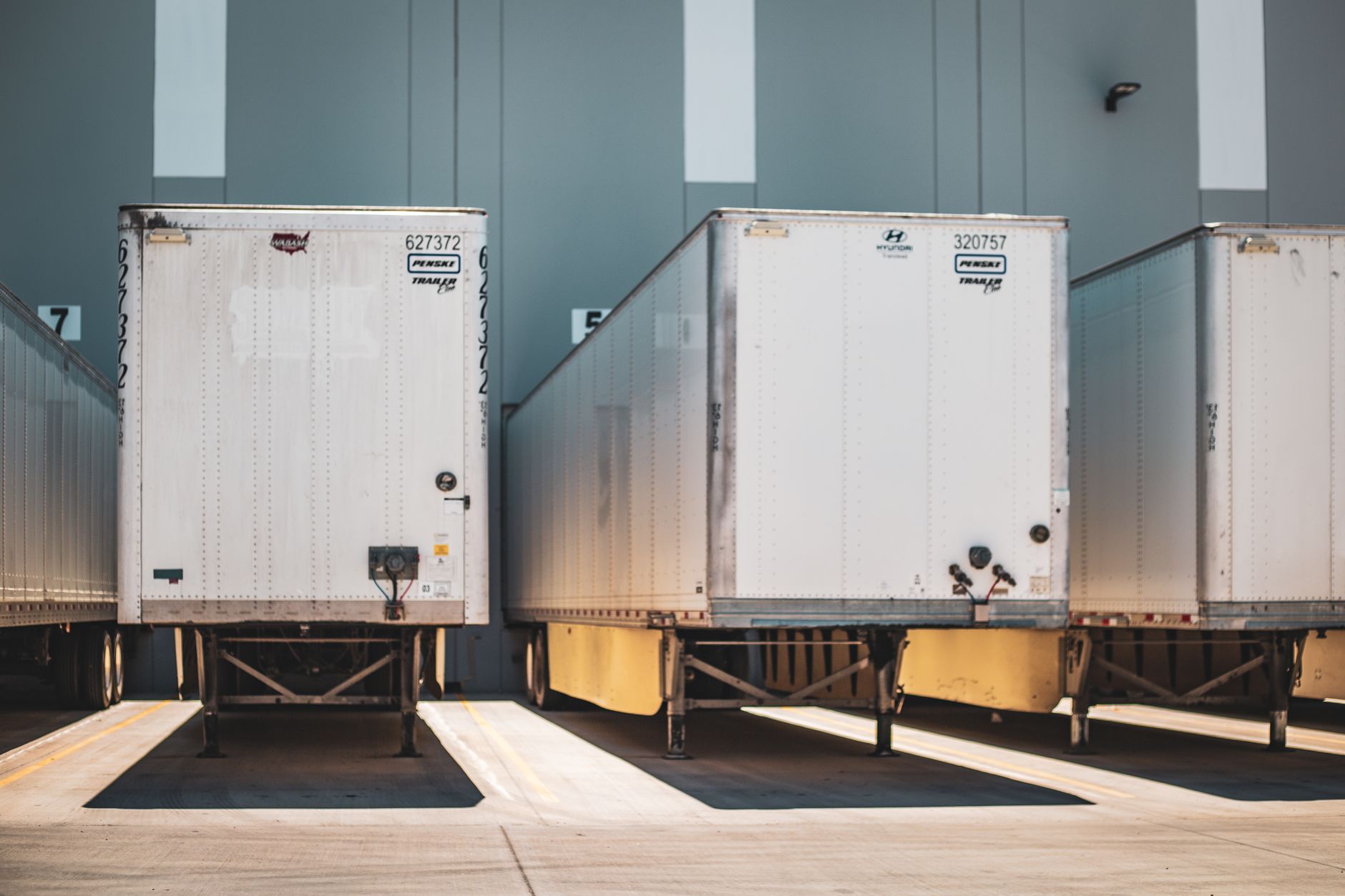
More than many buyers admit. A trailer at the door is not just a labor event. It is a capacity event. When unloads are unpredictable, the DC loses flexibility on appointments, holds drivers in place longer, and pushes pressure into put-away and replenishment windows.
The Federal Motor Carrier Safety Administration points to the safety cost of detention. It cites prior research showing that a 15-minute increase in average dwell time raises the average expected crash rate by 6.2 percent, and that a one-minute reduction in average detention time nationwide would prevent roughly 400 crashes per year. Those are transportation-wide figures, not grocery-only figures, but the operational message is clear. Faster, more predictable dock turns have value beyond labor savings.
This is why some trailer-unloading projects earn approval even when headcount reduction is modest. If automation turns receiving from a variable bottleneck into a scheduled process, it protects more of the building than the receiving department. It can preserve door availability, smooth labor planning, and cut the fire drills that force overtime later in the shift.
When should a grocery DC stick with manual unloading?
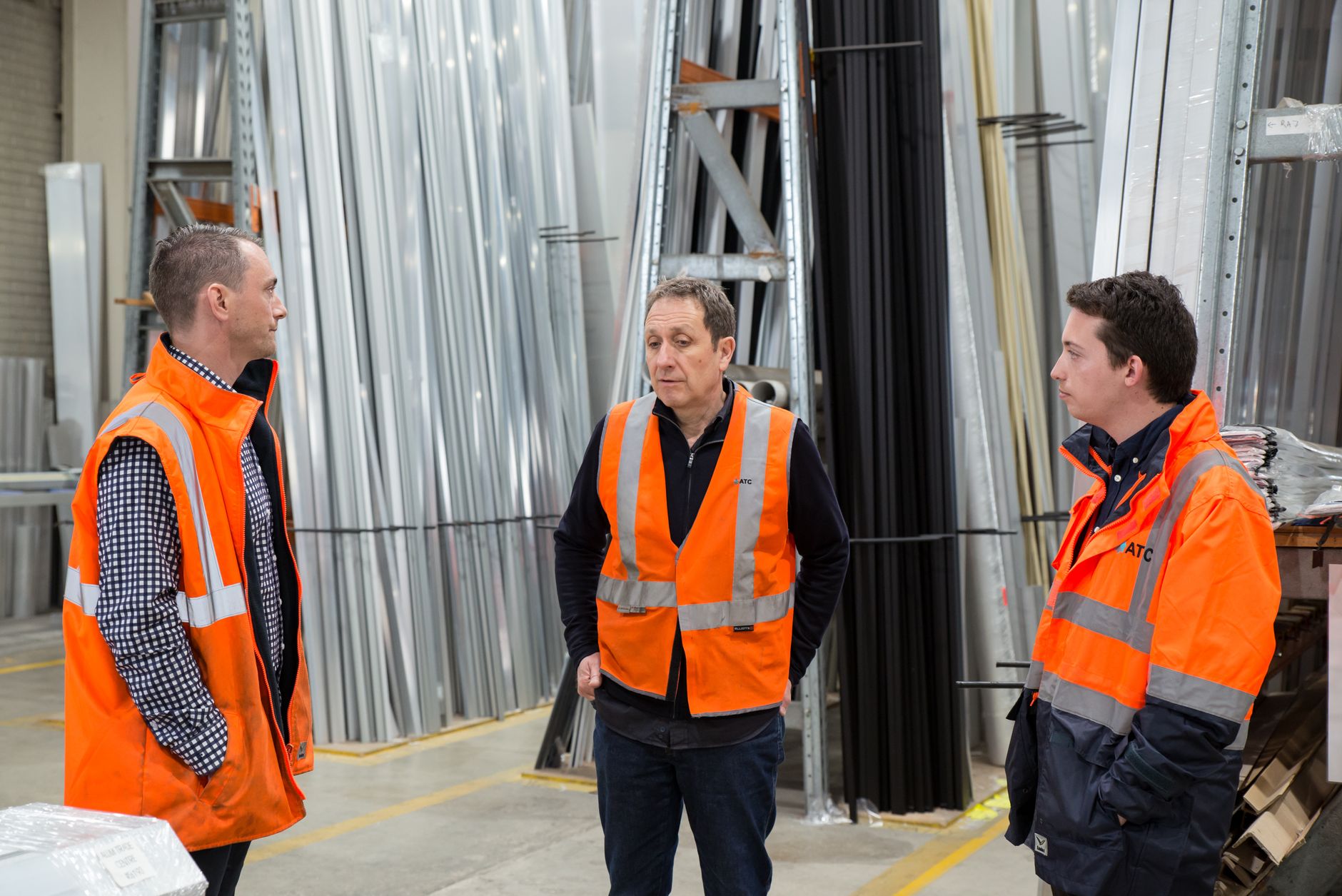
Manual unloading still makes sense in some buildings. If inbound floor-loaded volume is low, carton profiles swing wildly from trailer to trailer, and the site rarely pays overtime or outside unload support, the economics may not be there yet. The same is true for buildings that are about to change network design, close, relocate, or re-slot the inbound process so heavily that any automation target would move within a year.
A bad candidate often has one of two issues. Either the unload task is too irregular to automate efficiently, or the real bottleneck is somewhere else, such as yard scheduling, pallet supply, put-away congestion, or poor appointment discipline. In that case, a robot treats the symptom while the root cause stays in place.
That is why a narrow operational audit matters before anyone buys equipment. Service Robot Co. approaches these projects as an OEM-neutral integrator. We look at trailer mix, receiving flow, handoff points, uptime support, training burden, and financing structure before recommending any robot. Some sites should automate now. Some should fix process first. The point is to get the sequence right.
Why this use case can beat a full-warehouse project on ROI
Inbound trailer unloading has one big advantage as a first move. It is contained. The process boundary is clearer than a whole-building automation program, the success metrics are measurable in weeks, and the result does not require the DC to redesign every aisle, pick path, and storage strategy first.
That narrower scope matters in grocery. A regional operator may not be ready to commit to a full automation program across storage, picking, transport, and software orchestration. But it may already have a receiving problem severe enough to justify one targeted system. The robot earns its keep by protecting a single ugly workflow that keeps creating labor spikes and dock instability.
This is also where a full-service integrator matters more than a box seller. Service Robot Co. can finance, deploy, integrate, train, and service the units through a nationwide U.S. engineer network, with one vendor across the lifecycle. That lowers the friction for operators who want a practical starting point, not a science project.
What should a 90-day pilot prove before you scale?

A real pilot should answer one question: can the robot outperform the site's current manual baseline on the right trailers, at production pace, without creating new downstream friction? If that answer is not measurable, the pilot is too vague.
The best pilots stay brutally specific. Pick the doors, trailer types, shifts, and handoff method up front. Then track outcomes against the current state, not against hope. If the site cannot define the current unload baseline, it is not ready to judge automation yet.
- Average unload time per eligible trailer, and variance by shift
- Door occupancy time, including wait-to-start and clear-to-release
- Use of overtime, temp labor, or outside unload crews on the targeted lane
- Damaged-case rate and pallet rebuild quality after unload
- Exception rate, including carton types or trailer conditions that force manual fallback
- Training load on receiving leads and maintenance support burden
- Uptime, recovery speed, and how quickly the operation returns to flow after a stop
The buying threshold most operators should use
A regional grocery DC should move ahead when a trailer-unloading robot can replace the most expensive form of manual instability, not merely the cheapest labor hour on paper. If the robot stabilizes a high-friction inbound lane, protects dock capacity, reduces case handling damage, and trims the overtime and contractor dependence that keep recurring every month, the payoff is usually real enough to act on.
If, on the other hand, your receiving pain is sporadic, your inbound profile is chaotic, or the real issue sits upstream in appointment discipline and downstream in put-away, keep manual unloading for now and fix the process first. Trailer automation is strongest when it is aimed at a stubborn, repetitive bottleneck. In grocery DCs, that is often enough to justify the project long before a full warehouse automation program is on the table.