Key takeaways
- Name one monitor per shift before the first autonomous fairway pass.
- Dashboard training counts as paid work, not a side favor at lunch.
- Pause rules should match starter sheets and weather holds.
- Boundary edits belong in a change log the whole crew can read.
- RoboCare is for faults; monitors handle routine logs and bin emptying.
Why does fairway automation need a named monitor?
Autonomous fairway passes only work when someone owns the overnight log. That person is not a replacement superintendent. They are the crew member who knows which pause rule applies when a league night runs long or lightning closes the range.
USGA Green Section reporting on robotic mowing notes that as more units work a course, a designated staff member often handles blade swaps, boundary edits, and programming. The role grows with fleet size, not with hype.
Without a named monitor, every fault becomes a group text at 5 a.m. Superintendents should pick the role before go-live and pay for the training hours.
What should the monitor learn on day one?
Start with safe stop and resume, not advanced agronomy. The monitor should power down a unit correctly, flag a stuck wheel, and call RoboCare when the fix is not in the quick-start guide.
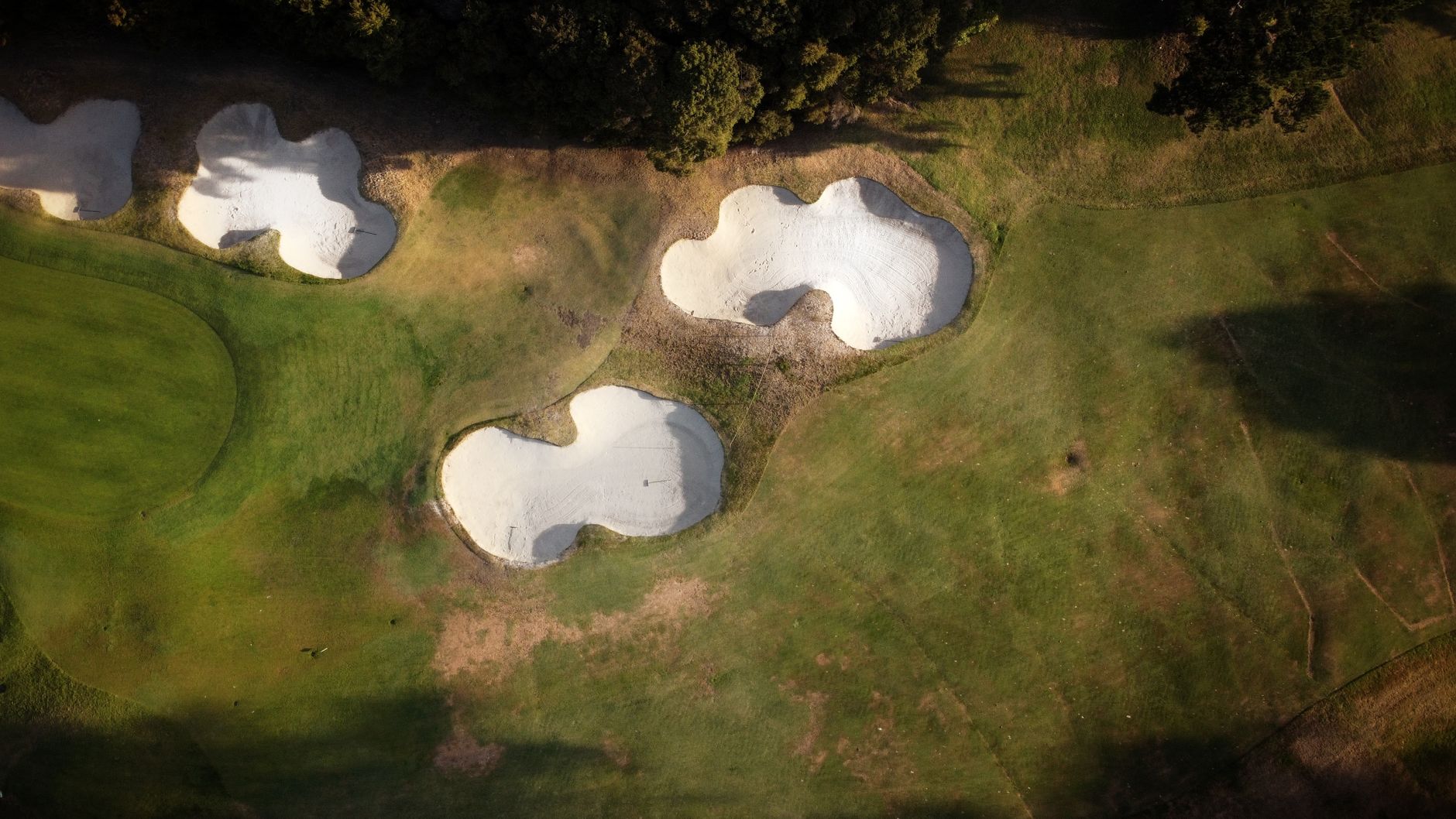
Walk every keep-out polygon with the superintendent. Monitors who understand why a bunker nose is fenced will not drag a boundary to save five minutes.
Document charger locations, cable routes, and who holds gate keys. Desert and mountain properties especially need a winter storage plan the monitor can execute without guessing.
- Safe stop, resume, and fault codes
- Charger and gate access checklist
- Pause rules tied to tee sheets
- When to call RoboCare versus fix locally
- Blade swap intervals from the integrator
- Change log for boundary edits
How does the role differ from sitting on a mower?
Ride-on operators read turf by feel. Monitors read dashboards, weather, and starter updates. The job is closer to irrigation tech than to fairway striping.
Monitors still walk trouble spots. A map error shows up as a missed strip long before members complain if someone walks the panel once per week.
GMs should not stack monitor duty on top of a full porter shift without adjusting hours. Burnout shows up as ignored alerts.
Seasonal hires should pass a monitor sign-off before they run a dashboard alone. A laminated fault card in the shop beats a password stuck to a monitor that quits in July.
What calendars must the monitor share with the golf shop?
Starters need the same run sheet the monitor follows. If hole seven pauses at 6:30 for a shotgun, both sides must have the note.
Tournament weeks may freeze edits. The monitor should know when agronomy locks maps so a well-meaning boundary drag does not undo a televised hole.
Indoor scrubbers and path sweepers use different calendars. One monitor can own alerts for all robots, but the pause rules stay separate.
How should superintendents measure monitor performance?
Track fault response time and repeat faults on the same polygon. Patterns mean a map fix, not a louder alarm.
Log recovered mower hours against divot, bunker, and walk-off tasks. The board should see where hours went, not only that robots ran.
Review member comments monthly for the first season. Monitors catch sightline issues faster when feedback routes through the shop to turf.
Pair monitor reviews with irrigation logs when fairways stress in heat. A robot holding height while collars dry out still needs human judgment on hand watering.
Where does Service Robot Co. fit training?
Site assessment ends with a labeled map, run calendar, and named monitor before the first overnight pass. Buy outright or use financing quoted after the walk.
We train on the actual dashboard your fleet uses, vendor neutral across manufacturers. RoboCare gives a triage path when the monitor needs a specialist at 2 a.m.
If the monitor role works on one nine, expand polygons with the same person owning the change log. Continuity beats rotating untrained volunteers.