Key takeaways
- Two 2026 product launches put compact autonomous scrubbers squarely into the small-site buying conversation.
- The new push is about fit, not hype: tighter turning, narrower aisle clearance, and more self-service docking reduce the old small-site barriers.
- Small footprints are a large market, with 151,975 U.S. convenience stores and more than 16,200 HRSA-funded health center sites to serve.
- Labor pressure still matters, with the U.S. Bureau of Labor Statistics projecting about 351,300 janitor and building cleaner openings per year over the decade.
- Buyers should reassess automation around site geometry, daypart, service coverage, and contract structure, not just headline robot specs.
Yes, 2026 is changing the math for small facilities
Small-site cleaning robots are breaking out in 2026 because the hardware finally matches the floor plans that used to block automation. Compact autonomous scrubbers are no longer framed only for big-box stores, airports, or warehouse aisles. The new push is aimed at tight, busy, customer-facing sites where every foot of clearance matters.
Two launch dates make that shift hard to dismiss. A May 11, 2026 manufacturer announcement introduced a small autonomous scrubber built for high-traffic, space-constrained sites. On August 12, 2026, another manufacturer launched a compact scrubber for 100 to 800 square meter commercial spaces. That is a clear market signal. Buyers who wrote off automation because their site felt too small should take a fresh look now.
The point is not that every pharmacy, clinic, or convenience store suddenly needs a robot tomorrow. The point is that the old objection, our footprint is too tight, is weaker than it was even six months ago. In 2026, more of the category is being designed around narrow aisles, live traffic, and daily operation by non-specialist staff.
What changed in the machines themselves?
The biggest shift is physical fit. According to the May 11 product announcement, one newly launched scrubber is engineered for aisles and corridors as narrow as 29 inches, or 74 centimeters. According to the August 12 product release, another compact unit is built for sites of 100 to 800 square meters and can move through spaces with a minimum clearance of 50 centimeters in width and 60 centimeters in height. Those are not warehouse numbers. They are small-store numbers.
The second shift is autonomy around the cleaning task, not just autonomous driving. Both 2026 launches emphasize dock-based refill, recharge, wastewater handling, or self-cleaning steps that cut down on the fiddly labor that used to make a small robot feel like a needy extra machine. When a robot can recharge, refill, or clean itself with less staff intervention, it becomes much more plausible for a store manager, clinic lead, or franchise operator to run one without adding a specialist.
The third shift is day-to-day usability. One launch highlights guided setup, touchscreen workflows, remote scheduling, and fleet visibility. The other stresses one-click start, auto mapping, and easier component removal for washing. That matters because compact facilities rarely have a dedicated automation team. The buyer needs something a normal operating team can actually live with.
Why do small footprints matter so much now?
Because the addressable market is enormous. According to NACS, the United States had 151,975 convenience stores as of the end of 2025, and 63 percent were owned by companies with 10 or fewer stores. NACS also reports that the average c-store footprint is about 3,000 square feet. That is exactly the kind of footprint that sat in a gray zone for years: too busy to ignore, too small for legacy robotic assumptions.
Healthcare has its own version of the same story. HRSA says its funded health centers operate at more than 16,200 service sites. The CDC also notes that retail health clinics have become mainstream access points and are typically housed in pharmacies, grocery stores, or supercenters. These are not sprawling campuses. They are high-frequency care environments where cleanliness is visible, interruptions are costly, and floor plans are often awkward.
This is why small-site automation is becoming a real product-launch trend rather than a niche technical curiosity. The installed base of compact commercial locations is vast. Once the machines start fitting those footprints with less babysitting, the market expands fast.

Why labor still keeps the door open
The labor picture has not eased enough to remove the automation case. According to the U.S. Bureau of Labor Statistics, janitors and building cleaners are projected to have about 351,300 openings each year on average from 2024 to 2034, mostly from replacement needs. The same source lists the median hourly wage at $17.27 in May 2024. Even when positions are filled, operators are still managing turnover, night coverage, callouts, and inconsistency across sites.
That matters more in small facilities than many buyers expect. A large warehouse can hide cleaning variation inside a bigger labor plan. A pharmacy, clinic, or convenience store cannot. If the floor looks tired at 8 a.m., customers see it immediately. If spill response is late in a cramped aisle, staff feel it immediately. Compact autonomous scrubbers do not erase labor needs, but they can make overnight cleaning no operator routines and repeatable route work more dependable.
This is where phrases like commercial cleaning robot rental, robot as a service, or floor scrubber monthly lease start to matter in a practical way. Smaller operators often need predictable monthly operating structure more than they need ownership. The 2026 product wave broadens the hardware fit, and flexible commercial robot rental or robot leasing for business models can broaden the financial fit alongside it.
Which sites should reassess first?
The first group is customer-facing retail with narrow circulation and constant traffic. Think convenience stores, small grocers, drug stores, and specialty chains. These operators care about presentable floors, dry finish, and minimal disruption during open hours. A compact autonomous floor scrubber rental program now makes more sense for them than it did when the category leaned heavily toward larger machines.
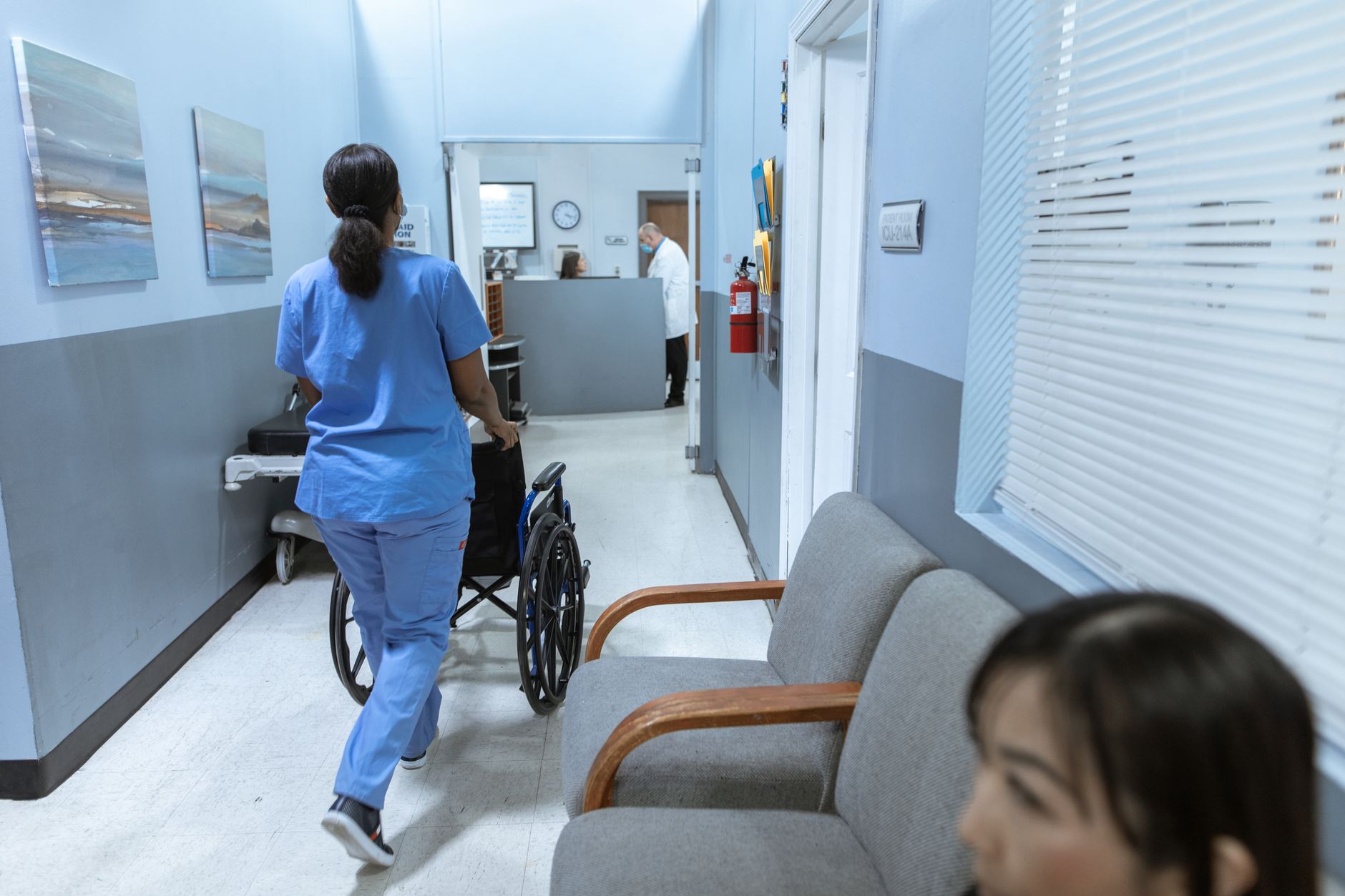
The second group is outpatient healthcare and neighborhood care sites. Clinics, urgent care footprints, therapy centers, and health centers need reliable floor care but often lack the back-of-house space and staffing buffer that larger hospitals have. The CDC's description of retail health clinics inside pharmacies and grocery stores underlines how mixed-use and tight these environments can be. Compact machines built for busy, space-constrained layouts are arriving at the right time.
The third group is small multi-site operators. A chain with 15, 40, or 120 compact locations may not need a large facility robot at every site, but it may finally have a workable template for store-by-store deployment. That is a very different expansion path from the old model of proving automation only in flagship boxes or regional distribution centers.
What will separate good deployments from expensive mistakes?
Geometry comes first. Buyers should test aisle widths, doorway thresholds, fixture density, backroom congestion, charging and docking placement, and the real path between high-soil zones. A compact robot that fits the brochure but cannot turn cleanly around promo stacks or pharmacy queue lines will disappoint fast. Narrow clearance claims are useful, but the site map still decides the result.
Operating rhythm comes next. Some sites need aisle scrubbing overnight. Others need short, quiet cleaning windows during live business hours. Some need one route every night. Others need two micro-runs around peak traffic. The strongest compact scrubber programs are built around daypart, refill logistics, and exception handling, not just the machine's maximum spec sheet.
Service support is the last filter, and it is the one buyers underestimate. Small sites rarely tolerate long downtime because they rarely have spare equipment or extra labor slack. That is why commercial robot repair service, remote triage, on-site dispatch, and emergency replacement matter as much as navigation. A cheap robot floor cleaner rental with weak service can become the most expensive option in the building.

How Service Robot Co. fits this 2026 buying shift
This is the kind of transition point where an OEM-neutral integrator matters. Service Robot Co. works as a full-service commercial robot integrator for U.S. businesses, selecting the right robots across manufacturers and then handling finance, deployment, integration, training, and service through a nationwide engineer network. For small-site buyers, that matters because the right answer is rarely just pick a unit and plug it in.
Compact floor care especially benefits from lifecycle thinking. One site may need a commercial cleaning robot rental with maintenance included. Another may fit a lease rental or sale structure. A third may want a pilot with monthly payment programs before a wider rollout. Service Robot Co. can frame those choices around site reality, service coverage, and rollout risk so the buyer deals with one partner through assessment, go live, and ongoing support.
That single-vendor-for-the-lifecycle model becomes more valuable as robots move into pharmacies, clinics, and c-stores, because these are usually live businesses with little patience for fragmented responsibility. The more compact and operationally exposed the site is, the less tolerance there is for finger-pointing between seller, service team, and software provider.
What should buyers do in the next 90 days?
First, re-screen locations you previously ruled out. Any site that lost out because the aisles were too tight, the team lacked robotics expertise, or the machine looked too large for the traffic pattern deserves another pass in light of the May 11 and August 12, 2026 launches. The category has moved.
Second, evaluate the buying model alongside the hardware. Small operators often focus on the machine and leave contract shape until the end. That is backwards. For many sites, autonomous floor scrubber rental, floor scrubber monthly lease, or robot leasing vs buying is part of the fit question from day one because support, replacement, and uptime protection materially affect the outcome.
Third, insist on a real site assessment. A credible review should cover floor type, route density, staffing pattern, cleaning window, dock placement, connectivity assumptions, and escalation path when something goes wrong. In a breakout year like 2026, the winners will not be the buyers who move fastest. They will be the buyers who recheck their assumptions with current hardware and a deployment plan grounded in the actual site.