Key takeaways
- Transport and logistics was the largest professional service robot application in 2025, according to IFR, at about 117,500 units.
- That segment rose 21 percent and held a 47 percent share of professional service robot shipments worldwide.
- The figures are global, so they describe the category, not a US hospital, hotel or campus.
- Outside the warehouse, transport robots carry linens, supplies and meals along fixed routes.
- Start with one route, measured staff trips and a site assessment before committing to a fleet.
Transport and logistics took the top spot in 2025
Transport and logistics was the largest professional service robot application in 2025, according to IFR as reported by Supply Chain 247. The segment reached about 117,500 units, up 21 percent, and accounted for 47 percent of professional service robot shipments worldwide. Those are the figures behind the headline.
For a facility manager who runs a hospital wing, a hotel or a campus, the headline matters less than the pattern behind it. Transport robots are doing repetitive, route based work, the kind of work that fits buildings that were never designed as warehouses. That is where the first decision usually sits.
What the IFR numbers measure, and what they leave out
IFR's professional service robot count covers the category worldwide. Trade coverage of the same report puts total shipments near 250,000 units in 2025, a 24 percent rise, according to Supply Chain Digital. Hospitality ranked second, and professional cleaning ranked third, with floor cleaning as its main application at a reported 12 percent share.
These are global figures. They say where the category is moving, not what a hospital in one state or a hotel in another will see on its own floors. Consumer robots are reported separately, and medical service robots grew 19 percent in the same report, per the trade coverage. No hospital or hotel share was available in the research for this piece, so none is quoted here.
What transport robots do outside the warehouse
Outside a warehouse, a transport robot is usually a wheeled unit that carries a bin, cart or tray along a mapped route. The common loads are clean linens, medical and housekeeping supplies, and prepared food moving from a kitchen to a unit, a floor or a room. Many of these units move a load between fixed points and leave the handling to staff at each end.
In hospitals, the work tends to be supply runs and meal trays. In hotels, it is housekeeping carts, amenities and room service. On campuses, it is mail, documents and supplies moving between buildings. The trips repeat across a shift, and many are short walks that no one schedules as a task but that consume staff time.

Where elevators, doors and handoffs decide the result
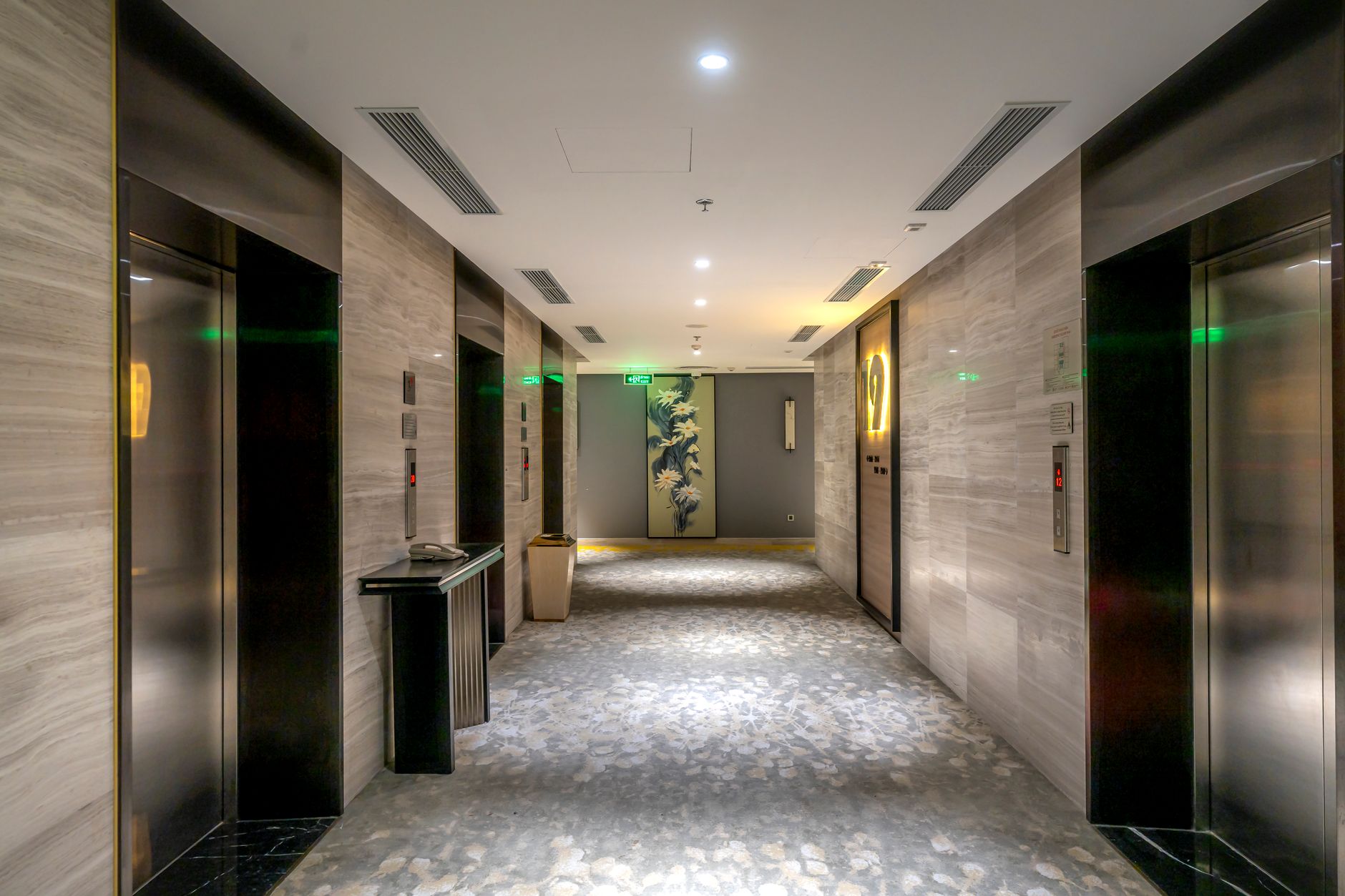
Route layout is where most transport projects succeed or stall. A robot that navigates a corridor well still saves little time if it cannot ride an elevator, pass a fire door at the right hour or reach a pickup point without someone holding a door. Those constraints belong in the site survey, not in the final week before go live.
Count the handoffs on each trip. Each time a person must load, unload, press a call button or confirm a delivery, some of the time savings disappears. A route with few handoffs and a standard load size usually shows the clearest return.
How to judge a transport robot as a first step
Before comparing units, test the route itself. A good first project has a fixed path, a repeatable load and a measurable baseline. Check these points before anyone signs.
- Count trips per shift on the route, and keep the count for at least a full week.
- Confirm elevator and door access, including rules for after hours movement.
- Time staff on the route today, counting walking, waiting and handoffs, not only the handling.
- Pick a load with a standard size and weight, such as linen bins or tray carts.
- Name who loads, who unloads and who responds when the robot stops.
How does a leased first unit get started?
Service Robot Co. is a manufacturer neutral integrator for US businesses. We match the robot to the route rather than to one manufacturer's catalog, then lease it to you through financing on a three year lease. What you receive is one fixed robot lease payment, quoted after a site assessment, so you can set it against the staff hours you measured.
A common first step is one leased unit on one route, with site assessment mapping, integration, training and go live support before the robot runs. RoboCare, our service plan, covers the unit across the lease, backed by regional service engineers in every state we service. One partner and one number for the robot, the integration and the repairs, instead of three separate vendors.
Where the numbers stop
Two cautions matter. The 47 percent describes a global category, so it signals direction and says little about any single building. The reported figures also differ slightly across coverage, and some press headlines round the segment to 117,000 rather than 117,500. Check the IFR report itself before you cite a figure in a budget.
The right test is your own floor. A measured route, a mapped path and a short pilot will tell you more than any industry share, and they give your team numbers it can defend.
Frequently asked questions
Want a robot working for you?
Tell us the job and the site. We will recommend the robot, quote the lease, and keep it serviced.
Sources
- Supply Chain 247: transportation and logistics professional robot sales (IFR data)
- DC Velocity: nearly half of service robots sold in 2025 used for transportation logistics
- Supply Chain Digital: IFR professional service robot sales surge 24 percent worldwide
- IFR World Robotics 2026 Service Robots executive summary (PDF, not opened)