Key takeaways
- The night gap is a set of unfilled hours, and the floor shows it first.
- BLS projects slower than average growth for janitors and building cleaners through 2034.
- Floor robots take mapped, repeatable zones while people keep the judgment work.
- Start with one zone and one shift, then measure missed areas and stops.
- Service Robot Co. quotes one fixed lease after a site assessment.
What is the real gap in night cleaning?
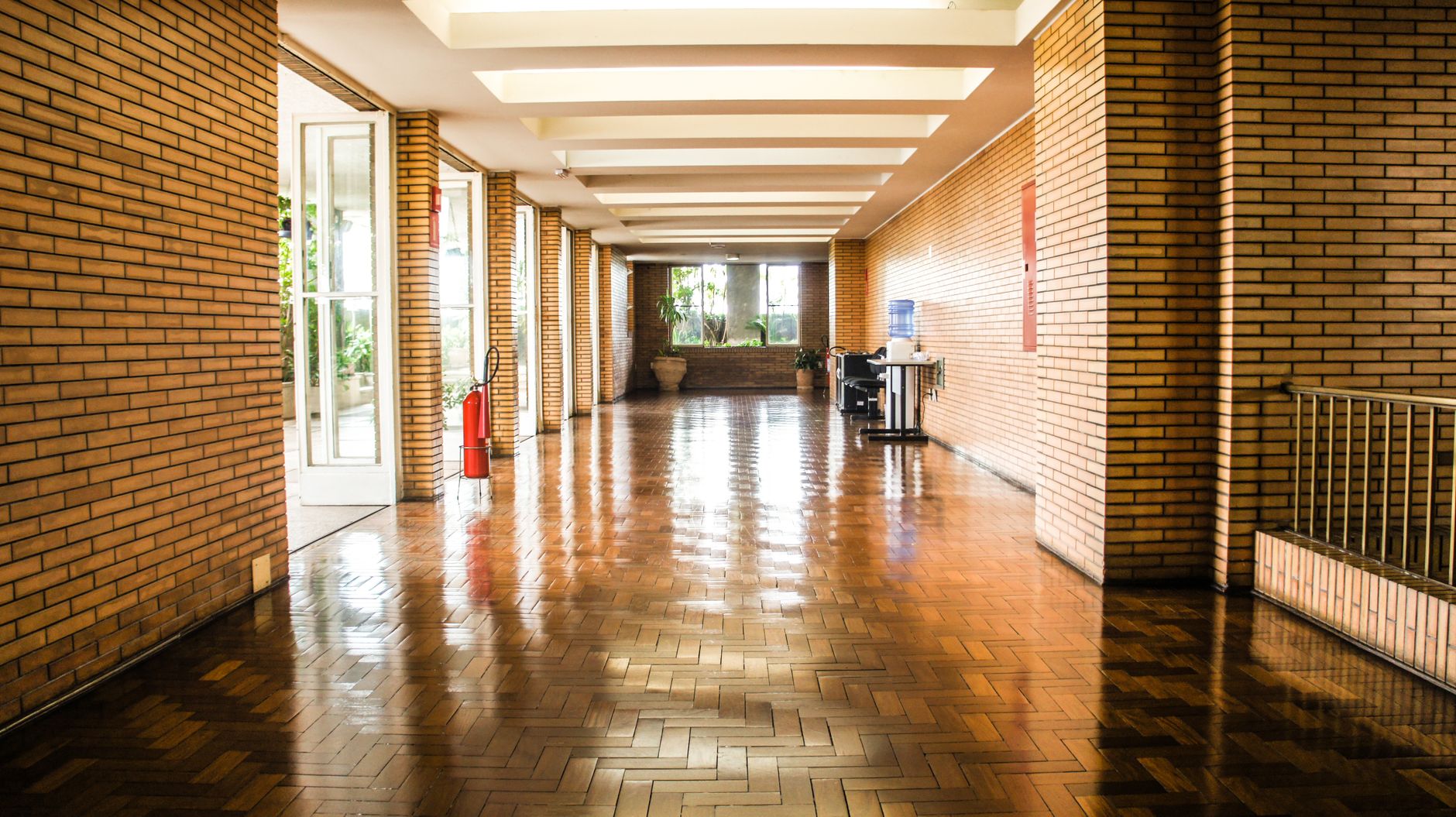
The gap is rarely one empty chair. It is a set of hours nobody is booked to cover, and those hours repeat every night until someone notices the scuffs on an aisle or the grit at an entry. Many facilities are running night cleaning with fewer people each season, and the floors show the difference first.
National labor data points the same way, although it does not measure night shifts directly. The Bureau of Labor Statistics projects 2 percent employment growth for janitors and building cleaners from 2024 to 2034, which it calls slower than average, adding 47,800 jobs on a 2024 base of 2,447,700. The median hourly wage for the occupation was $17.27 in May 2024. The bureau expects about 351,300 openings a year, mostly from replacement needs, so the hiring problem is largely about replacing people who leave.
Why do missed night passes show up so fast?
Floors do not forgive a skipped pass. Grit tracked in from a receiving door, a dried spill near a service counter, a scuff line beside a stairwell. Each one is small on its own. Together they become what a visitor notices at eight in the morning.
The useful question for a facilities lead is which tasks repeat on the same route every night. Those are the tasks where consistency matters most, and they are the hardest to schedule around a shrinking crew.
How does a floor robot cover the repeatable zones?
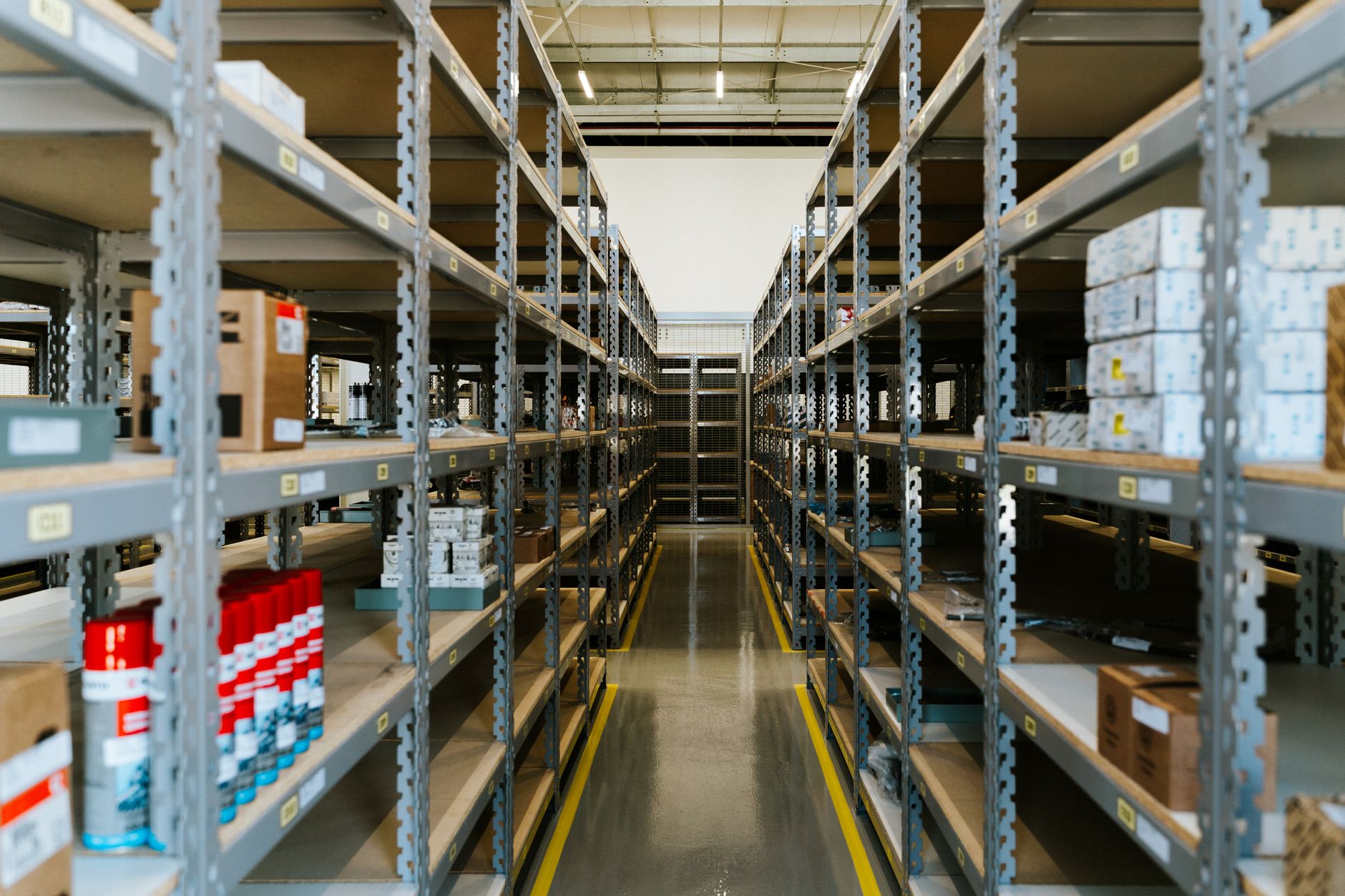
An autonomous floor scrubber works from a map. Before any unit runs, the site is surveyed, the route is set, and the robot is taught where it may travel and where it must stop. The repeatable zones are usually the large open ones: main corridors, warehouse aisles, lobbies, concourses, and long hallways that take a crew the most time to walk.
That is the ground Service Robot Co. covers as a full service integrator. We are OEM neutral, so we pick the robot for the floor and the work rather than from one catalog. We handle site assessment and mapping, deploy and train your staff, and keep every unit serviced under RoboCare, backed by regional service engineers in every state we service. One partner runs the whole lifecycle. The unit reaches your site through a lease, and we quote that lease after the site assessment.
What does industry data say about cleaning robot demand?
International figures point the same direction. According to the International Federation of Robotics, as reported in its 2025 data released September 30, 2026, global professional service robot shipments rose 24 percent to almost 250,000 units. Professional cleaning robots ranked third, with floor cleaning as the main application. The release we reviewed did not state a 2025 cleaning robot unit count.
The 2024 edition is more specific. IFR figures, as reported by secondary outlets, put professional cleaning robot sales up 34 percent to more than 25,000 units, mostly floor cleaning. Cleanzine described cleaning robots as the highest growth segment in that data. IFR also cautions that its service robot sample figures should not be compared across editions, so read each year as its own snapshot rather than a trend line.
Which tasks still need a person?
The line is not between simple and hard work. It runs between tasks a map can describe and tasks that need a decision in the moment.
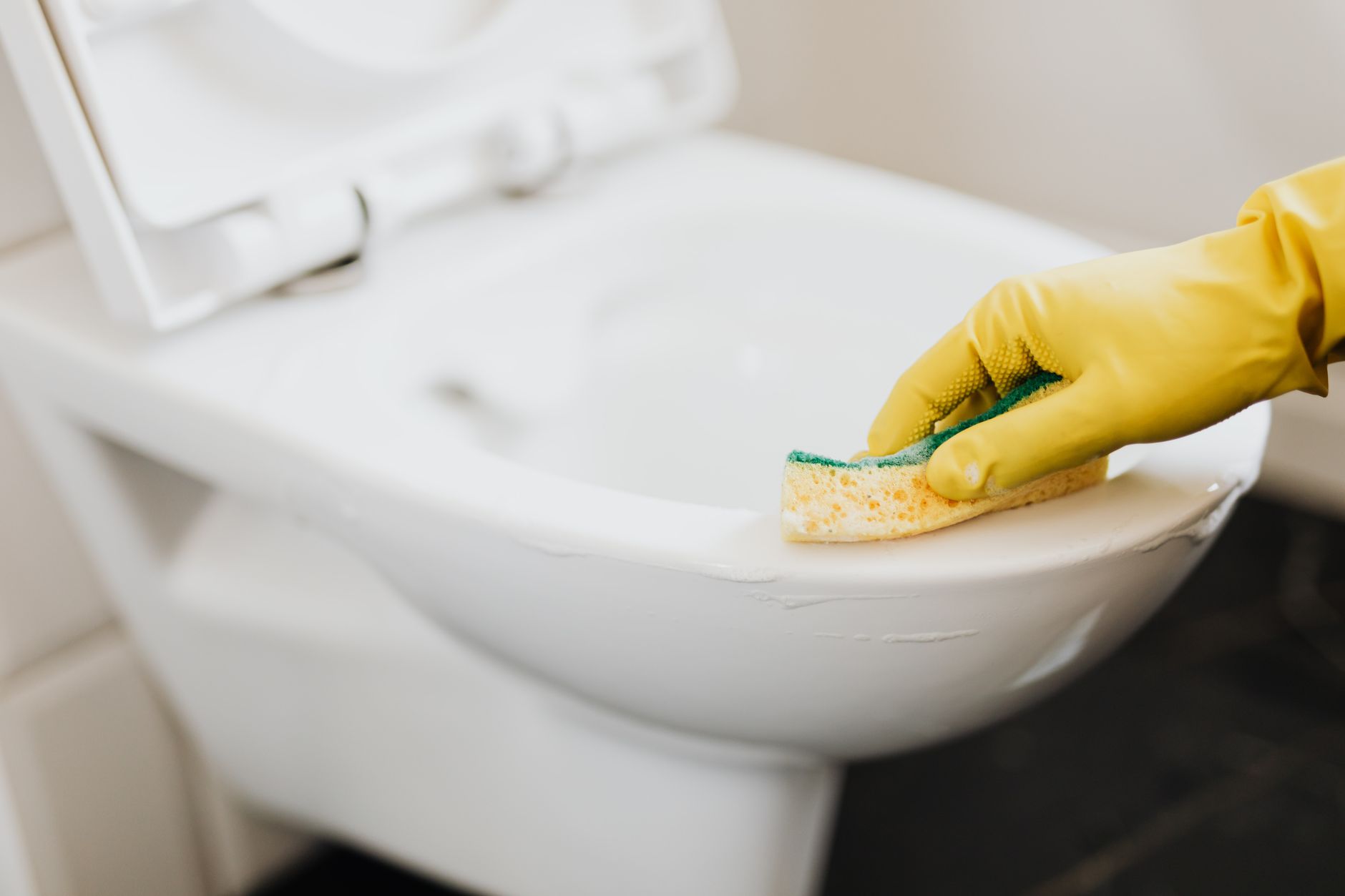
- Restrooms, where sanitizing touchpoints and checking supplies needs hands and a checklist.
- Stains and residues that need a chemical choice or a second pass with a tool.
- Moving furniture, equipment, or pallets out of the route before a pass.
- Spaces the mapped route does not cover, such as tight nooks or areas that are too uneven for the unit.
- Judgment calls, such as a blocked aisle, an open door, or a spill that is not on the map.
How do you start without shutting the night down?
Start with one zone and one shift. Pick the route with the most repeat passes, run the robot beside the existing crew for several weeks, and track what changes. A useful pilot records completed passes, areas missed, stops that needed a person, and how long the morning check takes after the robot's run.
Service Robot Co. approaches a lease the same way. The lease runs on a three year term, and the fixed lease quote comes only after a site assessment, so the figure reflects the actual building rather than an estimate from a catalog. Service coverage travels with the unit under RoboCare, and onsite dispatch is handled by regional service engineers.
What do the people on the crew do next?
The hours a robot covers are hours a person no longer walks, but they are not hours the building stops needing. Crew members who used to spend the night on repeat passes can move into restrooms, exceptions, and the work that needs judgment. Day staff gain a morning that starts with a report instead of a search for what got missed.
Keep the limits in view. The BLS projections describe the whole janitorial occupation, not night shifts. A CMM survey of building service contractors, run by email from June 23 to August 5, 2026, named recruiting qualified cleaning staff as a pressing challenge and found retention came up as a separate concern in 44 percent of responses. Its sample size and weighting were not disclosed. That is enough reason to run a pilot. It is not enough to forecast your own building.
Frequently asked questions
Want a robot working for you?
Tell us the job and the site. We will recommend the robot, quote the lease, and keep it serviced.