a 380,000-square-foot multi-tenant e-commerce fulfillment center in the Midwest operated by a third-party logistics provider
How a 380,000-Sq.-Ft. Fulfillment Center Raised Lines Picked 73% With Cart AMRs
See how a Midwest 3PL e-commerce site cut RF pick-to-cart bottlenecks with eight cart AMRs in eight weeks, lifting lines per hour 73% and hitting ROI in 18 months.
- 73%
- more lines per hour
- 51%
- more units per hour
- 25%
- picking accuracy gain
- 67%
- of order lines on AMRs
Based on a documented real-world deployment. Figures are from public reporting; the organization is not named.
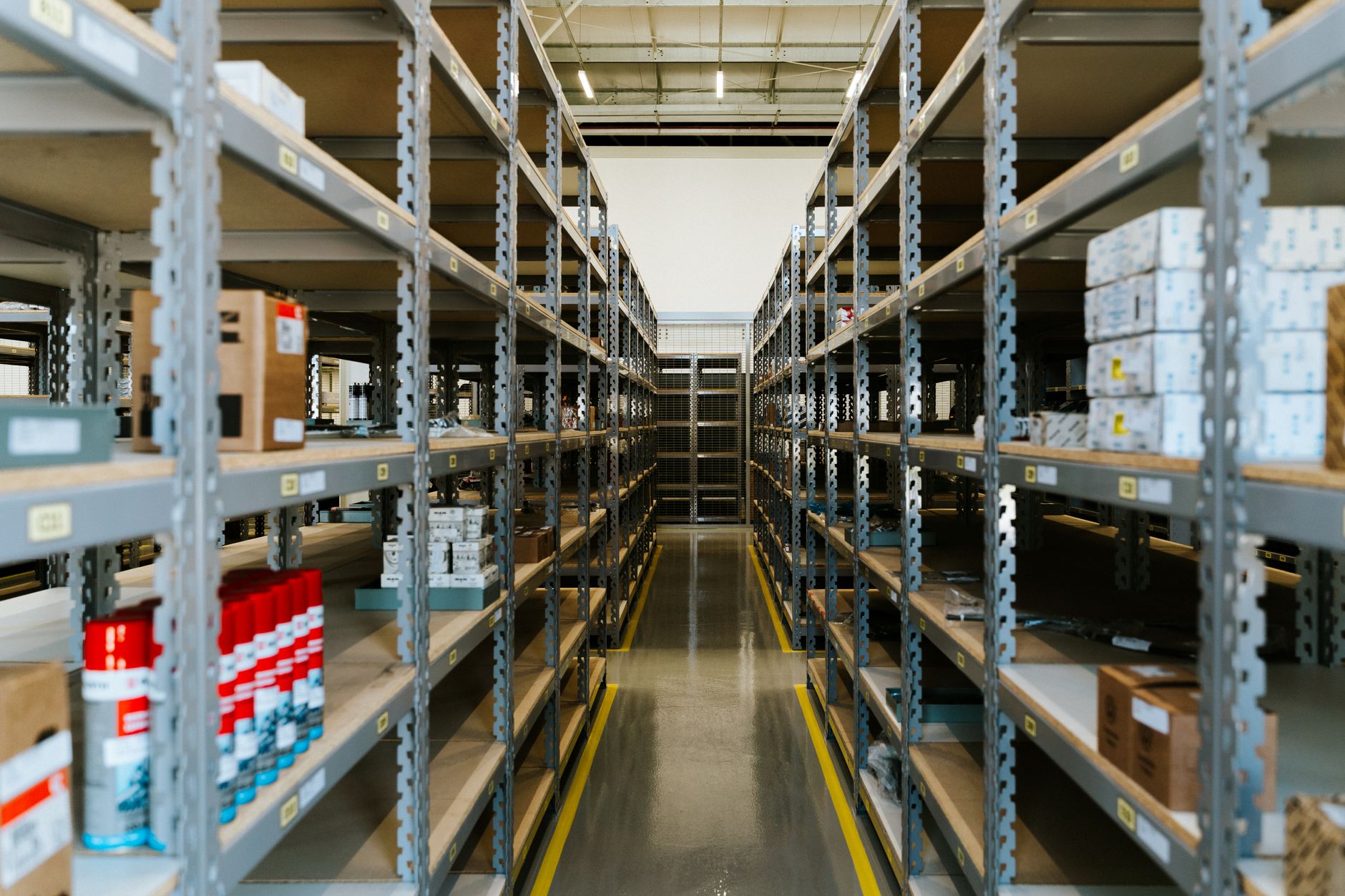
Peak volume exposed a pick-to-cart ceiling
The site runs contract logistics for fast-moving e-commerce brands inside a 380,000-square-foot Midwest building. During peak, throughput slipped even though headcount held steady. Leaders traced the drag to an RF-guided pick-to-cart zone where associates walked long aisles, pushed growing carts, and waited on congestion at hot SKUs.
They needed a path that could ship before the next peak without pouring concrete or re-slotting the entire building. The bar was clear: lift lines and units per hour, tighten accuracy, keep people safe, and stay inside a moderate capital envelope with payback leadership could defend.
- RF pick-to-cart created aisle bottlenecks when order mix spiked
- Walking and cart pushing ate time that should have gone to actual picking
- Seasonal hiring was getting harder and slower to ramp
Eight collaborative cart AMRs in a fast rollout

Operations compared goods-to-person automation against collaborative cart AMRs that meet pickers in the aisle. The cart AMR path won on speed to value: no new fixed infrastructure, scalable fleet size, and training that resembles the familiar cart workflow.
Eight autonomous cart AMRs went live in about eight weeks. Software assigns work, routes carts to associates, and carries completed totes away so pickers stay in their golden zone. Over time the fleet absorbed roughly two-thirds of order lines in the building while legacy methods handled the balance.
- Defined requirements around safety, productivity, and ROI before vendor selection
- Piloted collaborative cart AMRs alongside existing RF carts
- Expanded fleet scheduling as pickers gained confidence with cloud-based task allocation
- Used travel reduction metrics to tune slotting and hot-SKU placement
Measured gains across productivity and labor access
Within roughly three months of go-live the operation reported a full return on investment at 18 months. Productivity moved in step: 73% more lines picked per hour, 51% more units picked per hour, and picking accuracy up 25% compared with the prior RF cart baseline.
Associates also saw less fatigue because carts no longer grew heavier through a shift. Documented in-aisle travel fell about 30% thanks to allocation software that brings work to the worker. Hiring managers could drop strict warehouse-experience requirements and still hit performance targets faster because the tools are intuitive on day one.
What this pattern means for your warehouse
This deployment is a documented industry example, not a Service Robot Co. customer story. It still shows what is possible when the right mobile robot category is matched to a congested pick zone and backed by integration, training, and service.
Service Robot Co. is a full-service, OEM-neutral commercial robot integrator for U.S. businesses. We help teams compare warehouse AMR rental and lease options, run phased pilots with month-to-month flexibility where it fits, and keep fleets running through nationwide field engineers. One partner handles selection, financing, deployment, and ongoing support so you are not juggling vendors when peak season returns.