a high-volume pillow and bedding manufacturer fulfilling direct-to-consumer and retail orders from a Midwest distribution center
How a Bedding Fulfillment Center Raised Pick Rates 87% With a 33-Robot AMR Fleet
Documented home-goods fulfillment: paper picking and chaotic putaway gave way to 33 warehouse AMRs, 210 UPH, 50% faster cycles, and 30-minute training.
- 210 UPH
- Units picked
- 87%
- UPH gain
- 50%
- Faster cycles
- 30 min
- Picker training
Based on a documented real-world deployment. Figures are from public reporting; the organization is not named.
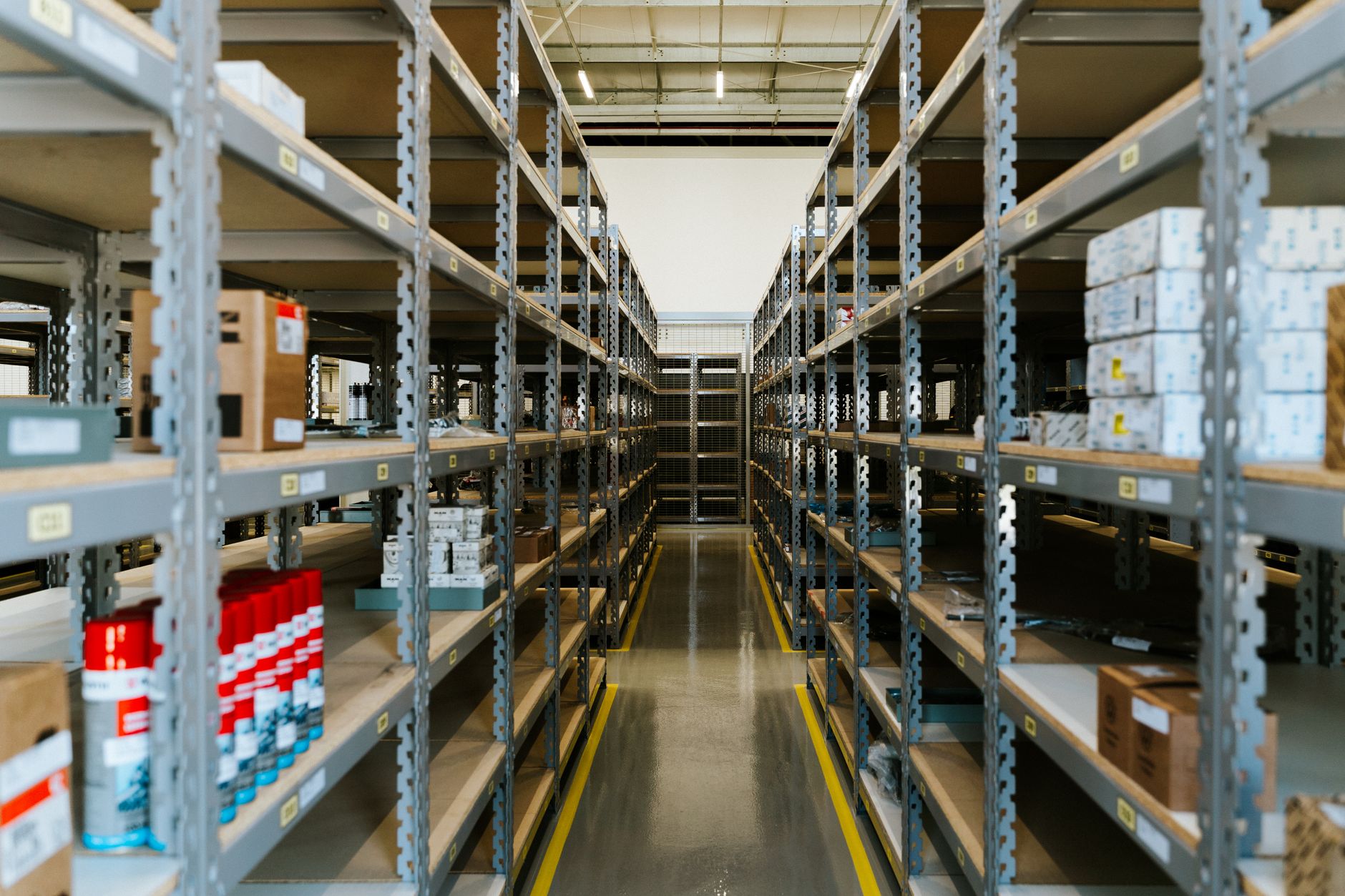
SKU growth outran manual picking
A high-volume pillow and bedding manufacturer ships direct-to-consumer orders and retail replenishment from a Midwest distribution center. Product variety grew beyond pillows into sheets, mattress accessories, and other home goods. Daily volume targets kept climbing while the floor still relied on paper lists and ad hoc putaway.
Associates described peak seasons as chaotic. Picking and putaway competed for the same labor pool. Training a new picker took roughly half a day on manual processes, which slowed hiring during promotional spikes. Leadership wanted higher units per hour without bolting in fixed conveyor infrastructure.
- Paper-based picking with limited visibility into daily goals
- Putaway congestion during high-volume weeks
- Long onboarding before new hires hit target rates
Thirty-three mobile robots without fixed infrastructure
Operations leaders looked for autonomous mobile robots that could slot into existing aisles instead of a greenfield automation project. After reviewing field footage and deployment patterns, they chose a fleet of thirty-three warehouse AMRs and brought them live near the end of 2022 at the Midwest site.
Integration focused on steady pick and putaway loops. Supervisors set daily throughput goals while robots carried totes between pick faces and pack stations. Because the system avoided permanent fixtures, the team could adjust routes as SKU mix changed.
- Select AMRs that need no fixed conveyor buildout
- Deploy thirty-three units on pick and putaway lanes
- Align supervisor dashboards with daily UPH and LPH targets
- Train associates on robot-assisted picking in short sessions
Throughput beat the internal forecast
Before robots, the site averaged about 119 units picked per hour on paper workflows. Leadership modeled roughly 170 UPH after automation. Actual performance reached 210 UPH, an 87% improvement over the old baseline. Lines per hour rose to about 150 LPH.
Order cycle time became about 50% faster than before the fleet arrived. Picking and putaway felt less chaotic during peak weeks, according to floor leaders quoted in the public case. New associate training dropped to about thirty minutes for basic picking instead of half a day on manual methods. Retention stayed strong, and staff from other departments sometimes joined pick shifts because the robot workflow was engaging.
What this means for your fulfillment floor
Home goods and softlines fulfillment punishes slow training and walking-heavy picks. Service Robot Co. is a vendor-neutral integrator that shortlists warehouse AMR options, runs mapping on your aisles, and ties robots to your WMS handoffs before go-live. Warehouse robot rental and month to month lease paths let you pilot a fleet without buying capacity you only need for Q4.
One partner covers finance, deployment, integration, training, and nationwide service engineers. That matters when you need go live support during a live promotional calendar and a backup robot program if a unit needs triage.