a Northeast U.S. contract logistics distribution center handling retail returns and e-commerce fulfillment for a long-tenured customer
How a Contract Logistics DC Raised Lines Picked 73% With Collaborative AMRs
Documented Northeast 3PL case: RF pick-to-cart bottlenecks gave way to collaborative AMRs in eight weeks, 73% more lines per hour, 51% more units, and 25% better accuracy.
- 73%
- More lines/hr
- 51%
- More units/hr
- 25%
- Pick accuracy
- 67%
- Lines on AMRs
Based on a documented real-world deployment. Figures are from public reporting; the organization is not named.
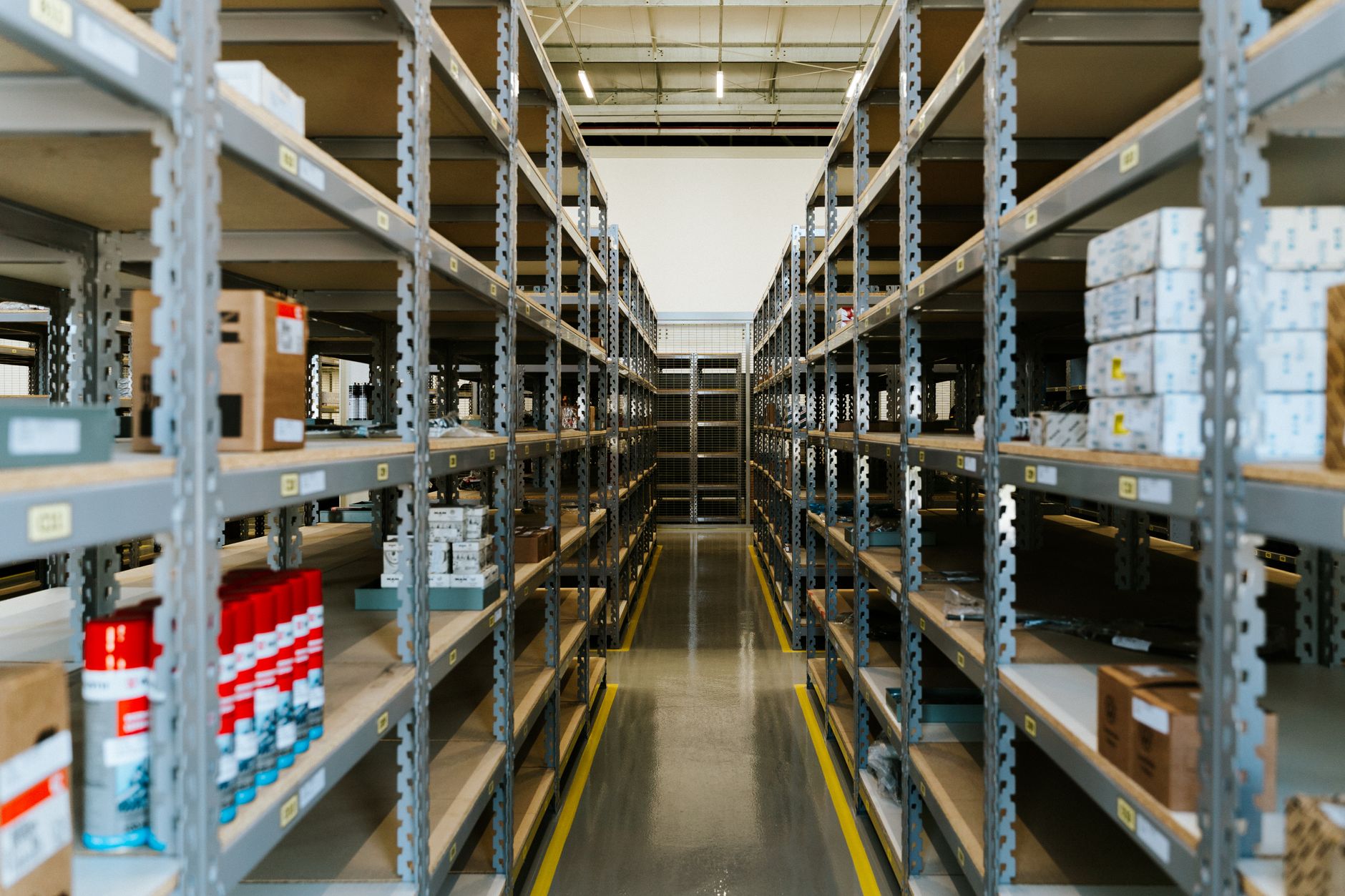
Peak season exposed a cart workflow
A Northeast U.S. contract logistics distribution center handles retail returns and e-commerce fulfillment for a customer relationship measured in years. Associates picked with radio-frequency guns to carts, and that flow worked until peak volume exposed congestion and slowdowns.
Supervisors needed steadier lines per hour and units per hour without adding seasonal headcount that disappears after January. Training time and aisle travel also made it hard to tap a wider labor pool when every hire had to learn a legacy cart routine.
- RF pick-to-cart created peak bottlenecks
- Seasonal labor was costly to recruit and train
- In-aisle travel ate picker time
- Accuracy slips were expensive on returns
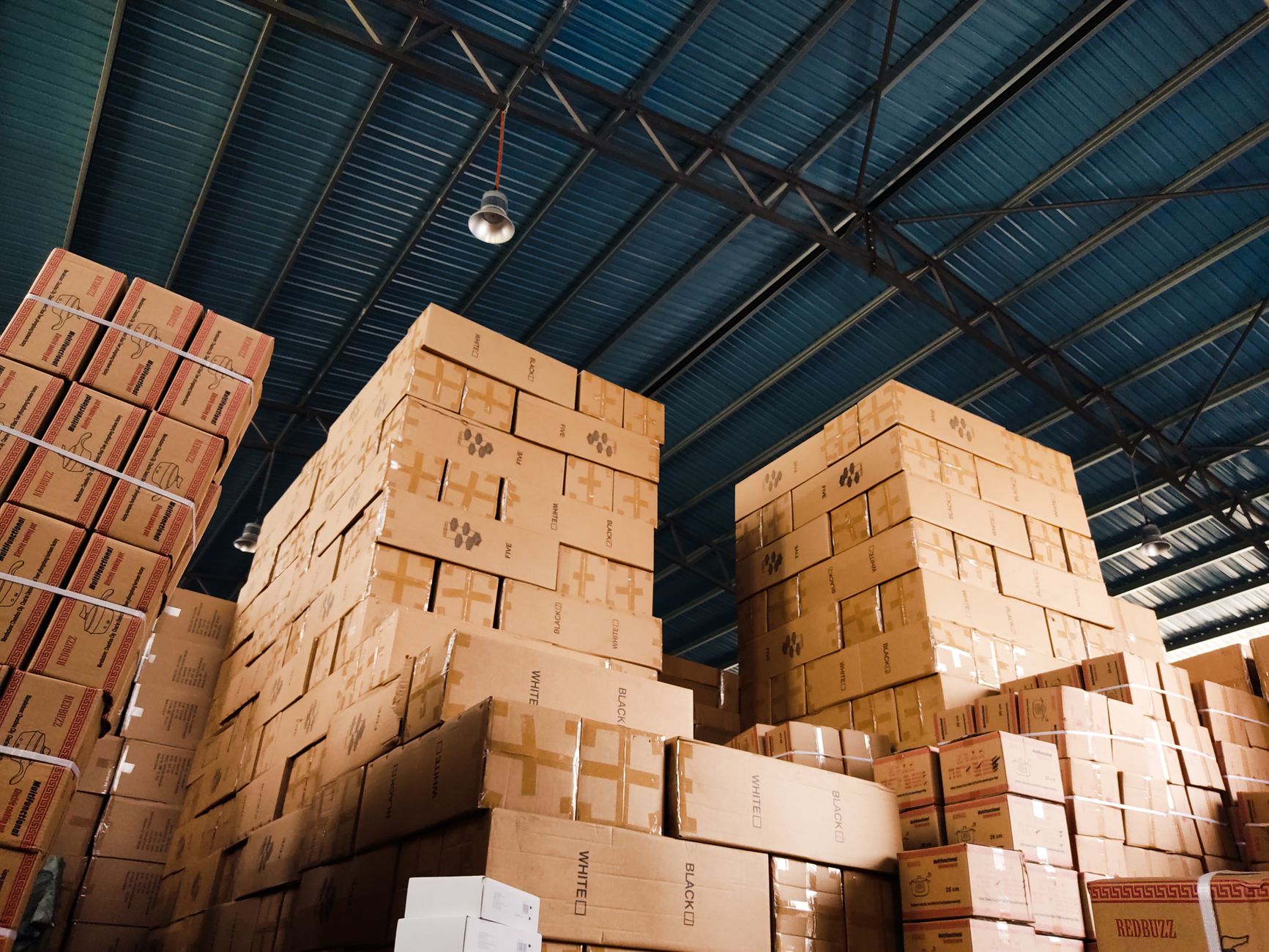
Collaborative AMRs in an eight-week rollout
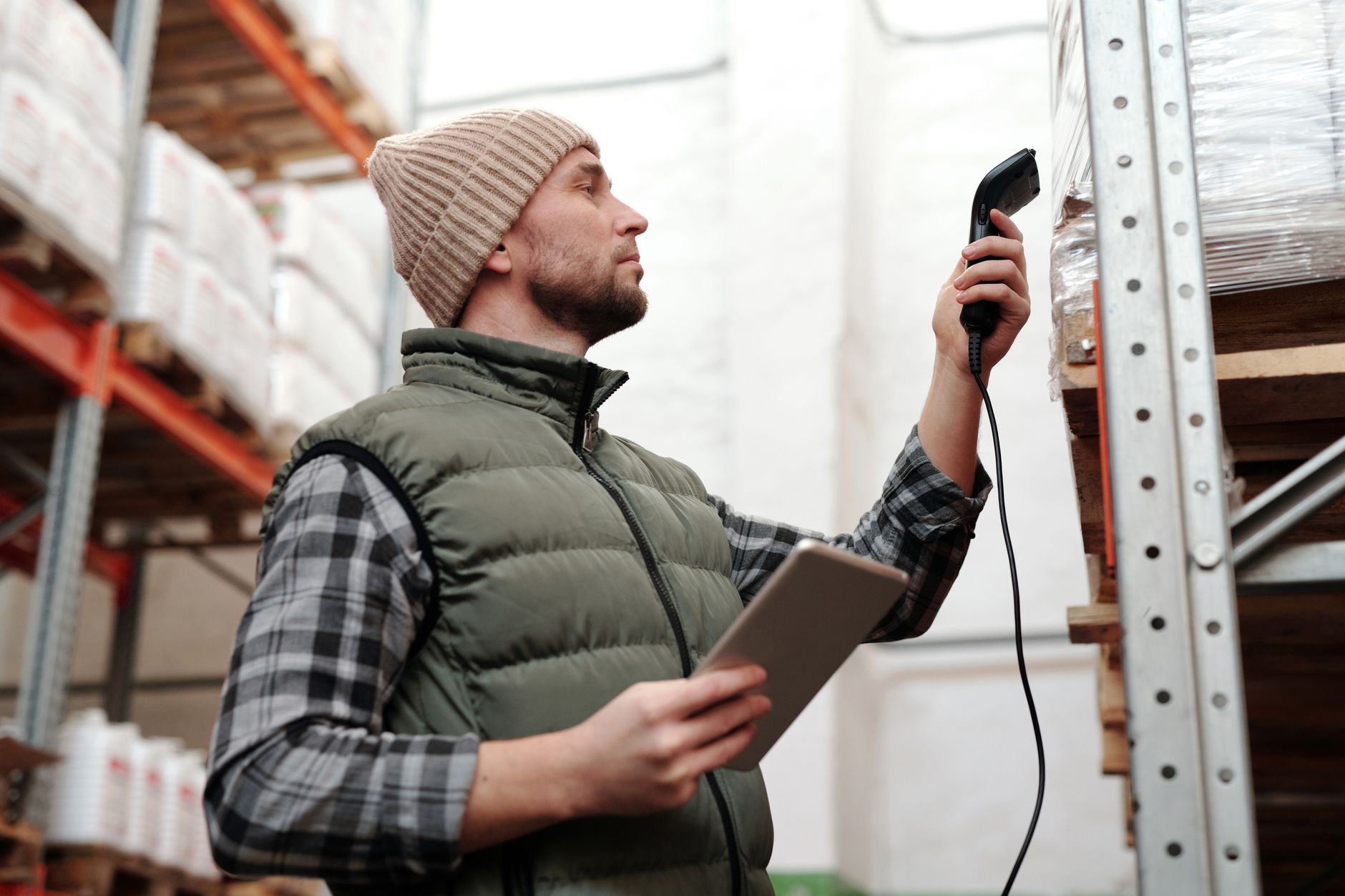
Operations leaders compared goods-to-person and collaborative mobile robots, then chose units that travel with pickers instead of replacing the entire WMS flow. The fleet went live in about eight weeks while the building kept shipping.
Training focused on intuitive screens and guided paths so the site could drop strict prior DC experience requirements. Cloud-based allocation cut in-aisle travel while pickers stayed at the slot.
- Document bottlenecks from the last peak season
- Select collaborative AMRs that pair with existing RF flows
- Deploy and train inside an eight-week window
- Use cloud allocation to cut aisle walking
- Expand hiring pool with shorter onboarding
Measured gains on the pick floor
Published results report 73% more lines picked per hour and 51% more units picked per hour after go-live. Picking accuracy improved about 25%, which matters when every return line must match the right disposition code.
The collaborative fleet now handles about 67% of order lines in the facility. Operators also cite roughly 30% less in-aisle travel from the allocation engine, which keeps carts and people out of each other's way.
What this means for your 3PL contract site
Returns and e-commerce mixes punish manual cart programs when volume spikes. Service Robot Co. helps operators pilot warehouse robot rental fleets with a vendor-neutral shortlist, map pick paths, and align WMS scans before units arrive. AMR rental and month to month programs let you scale for peak without capital for a fleet sized for one week in December.
One partner covers finance, deployment, integration, training, and nationwide service engineers. That matters when you must hit go live support during a live retail calendar and keep a backup robot program if a unit needs triage.