a Nebraska private-label bacon processing facility
How a Nebraska Bacon Packer Cut Packaging Labor 72% With Robotics
A private-label bacon plant cut packaging crew from eleven to three workers and reached payback in under 22 months with a turnkey robotic packaging line.
- 72%
- Labor cut
- 11→3
- Pack crew
- <22 mo
- Payback
- 70%+
- Staff drop
Based on a documented real-world deployment. Figures are from public reporting; the organization is not named.
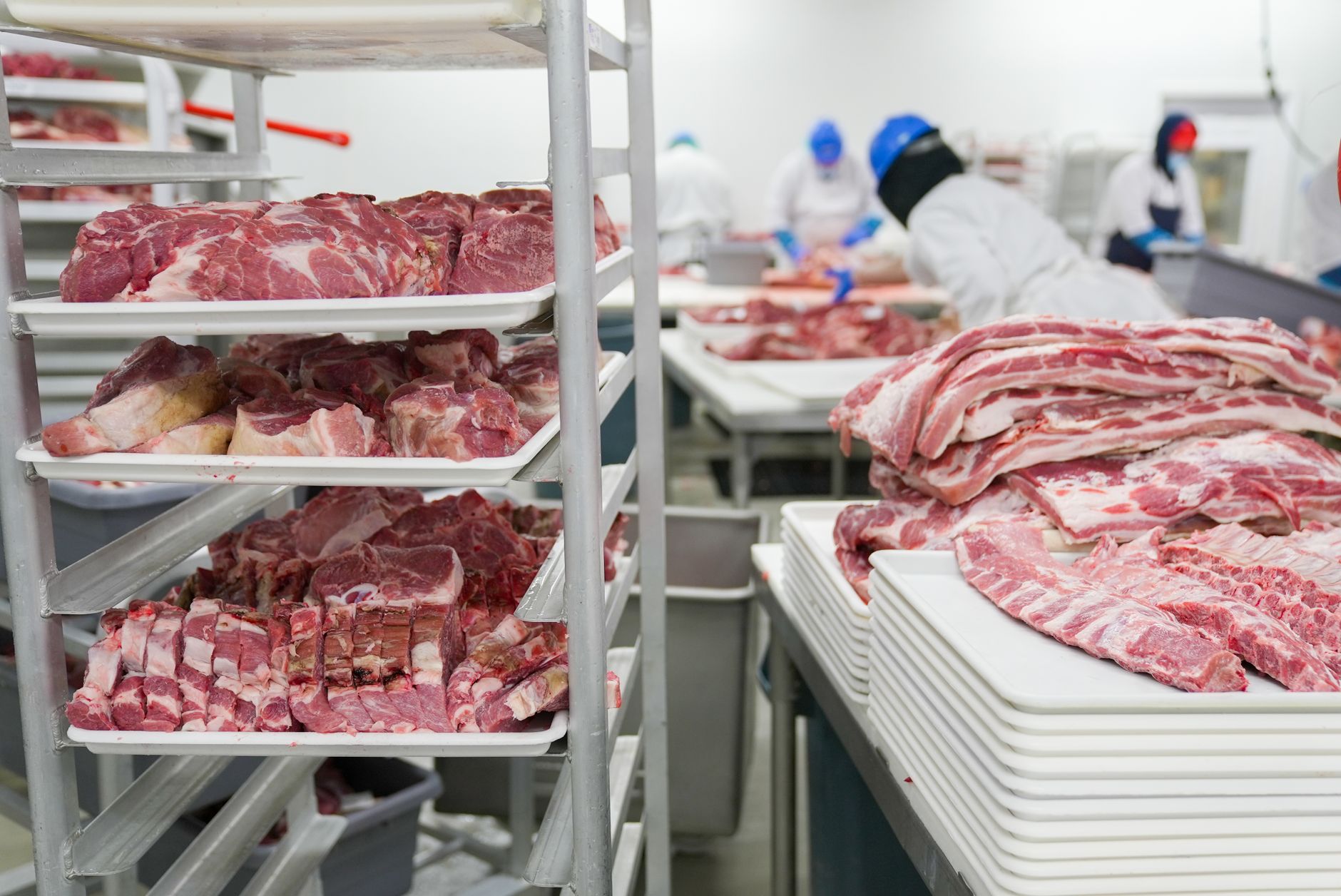
Manual packaging ate labor on every shift
A Nebraska private-label bacon processing facility runs modern lines, yet its packaging zone still leaned on a large crew every day. The process needed several people in tight sequence, which kept labor costs high and made staffing swings painful.
Leadership wanted state of the art throughput without growing headcount. They needed a partner who could deliver a turnkey robotic packaging system inside an active plant, not a science project that stalled production.
- Eleven workers tied to the packaging process
- High recurring labor cost on every run
- Need to redeploy people to other tasks, not eliminate talent
Turnkey robotic packaging on the existing line
The plant invested in a sizeable robotic packaging system and brought in an integration partner to own the full rollout. That turnkey scope covered mechanical fit up, controls tie in, and production ready commissioning on the floor they already ran.
Training focused on operators who would supervise the cell, not become programmers. Service and spare parts planning were part of go live so night and weekend runs had a clear escalation path.
- Sized the robotic cell for current package formats
- Integrated automation with existing conveyors and infeed
- Commissioned with phased operator training
- Documented maintenance and escalation paths
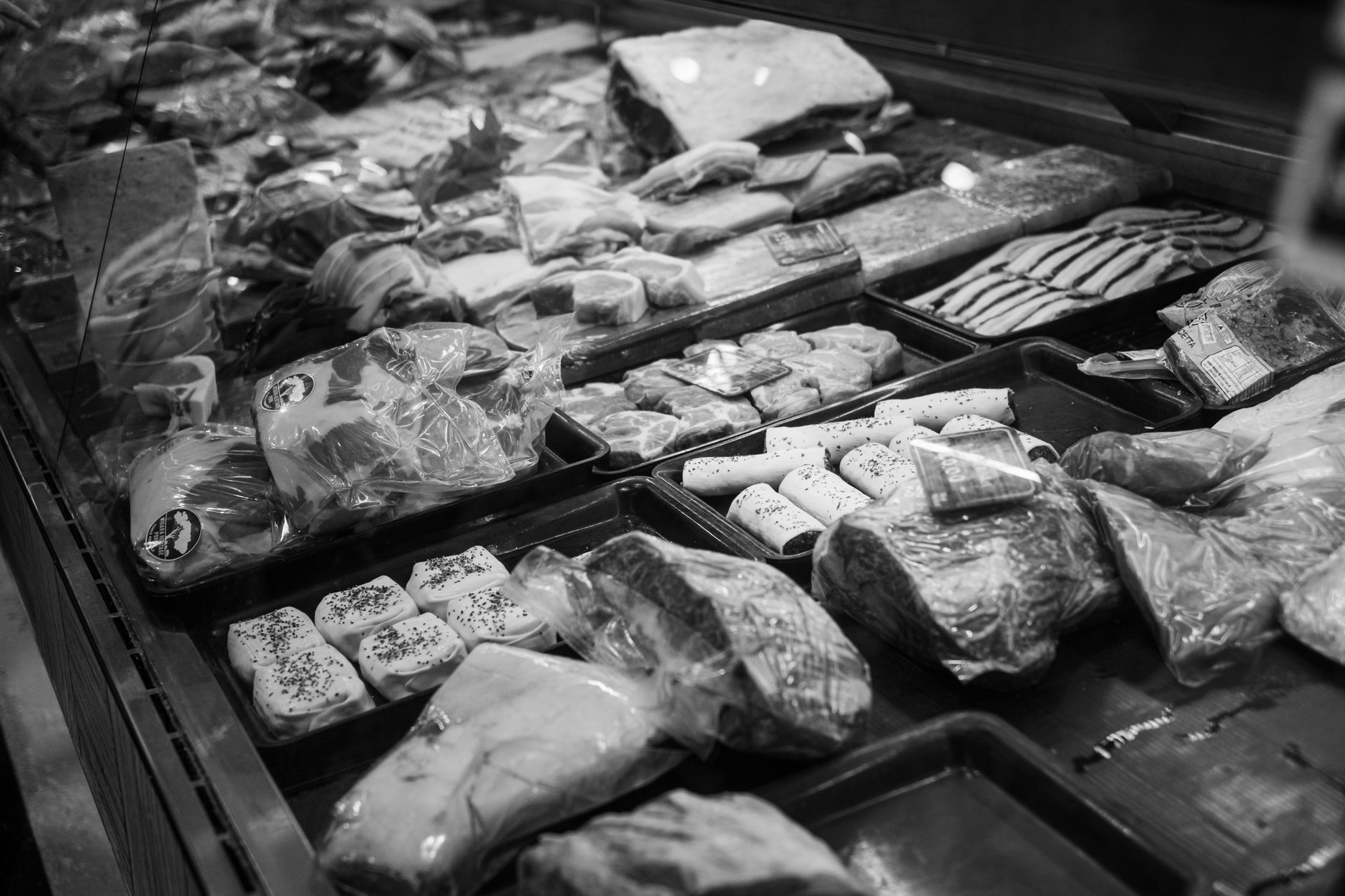
Measured labor drop and fast payback
Packaging labor fell from eleven workers to three, a reduction the facility reported as more than seventy percent. Freed staff moved to other production tasks instead of standing on repetitive hand pack stations.
Finance tracked a direct drop in labor cost tied to the cell. The project reached return on investment in less than twenty two months, which gave leadership confidence to plan the next automation phase.
What this means for food plants weighing robotics
End of line packaging is often where labor stacks up fastest in food processing. A vendor neutral integrator can match the robot class to your cartons, bags, or cases, then finance, deploy, and service it through a nationwide network of regional service engineers.
Month to month robot lease or pilot paths can de risk the first cell before you commit capital across multiple lines. Service Robot Co. maps the floor, trains your team, and keeps one number for integration and emergency dispatch.