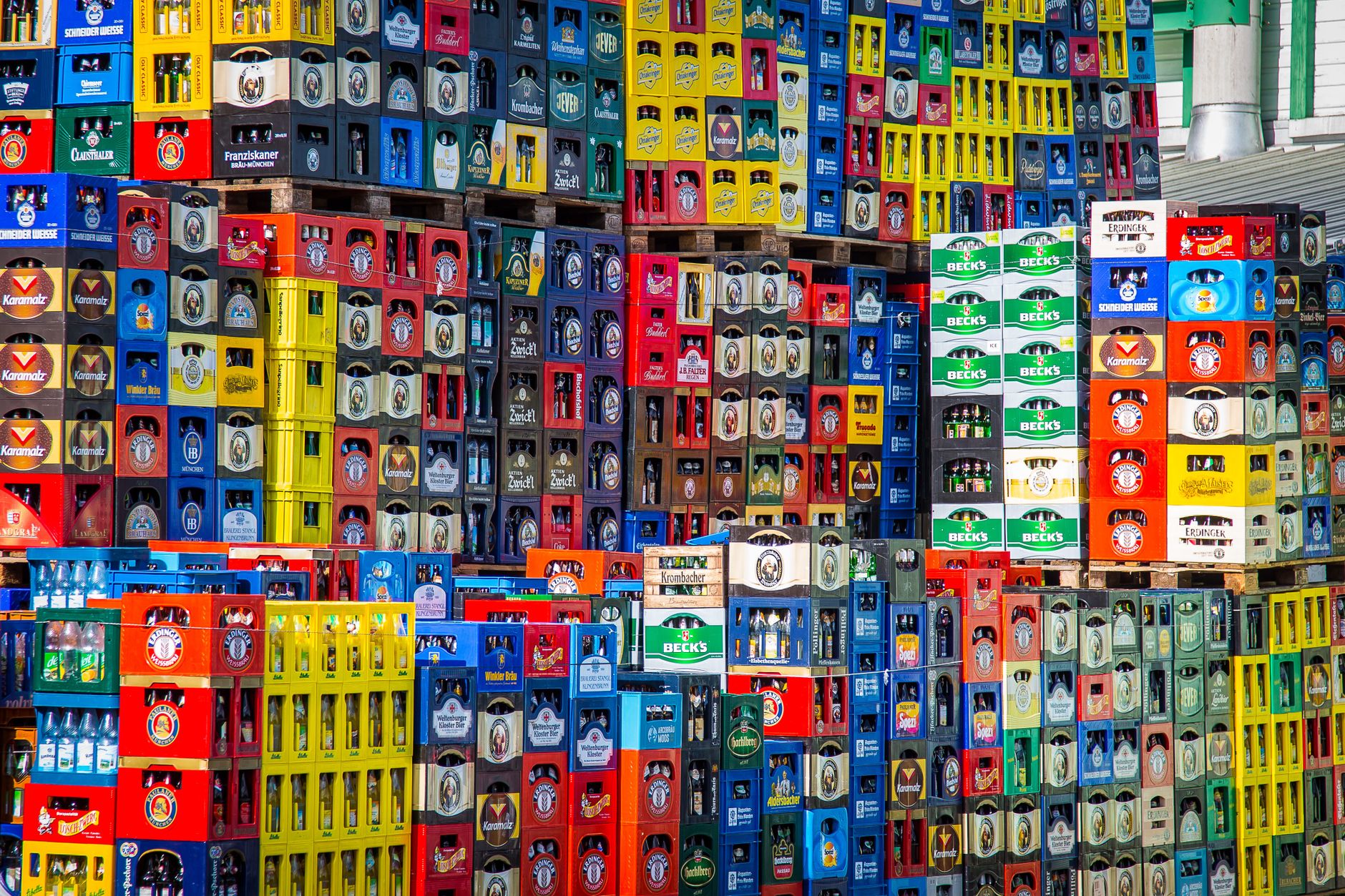
a national beverage brand's distribution operation managed by a Midwest 3PL
How a Beverage 3PL Raised Units Picked per Hour 93% With AMRs
A Midwest 3PL serving a national beverage shipper deployed AMRs after layout tests, lifting units picked per hour 93% and cutting labor 21% within six months.
- +93%
- UPH gain
- -21%
- labor
- 6 mo
- to results
- AMRs
- picking fleet
Based on a documented real-world deployment. Figures are from public reporting; the organization is not named.
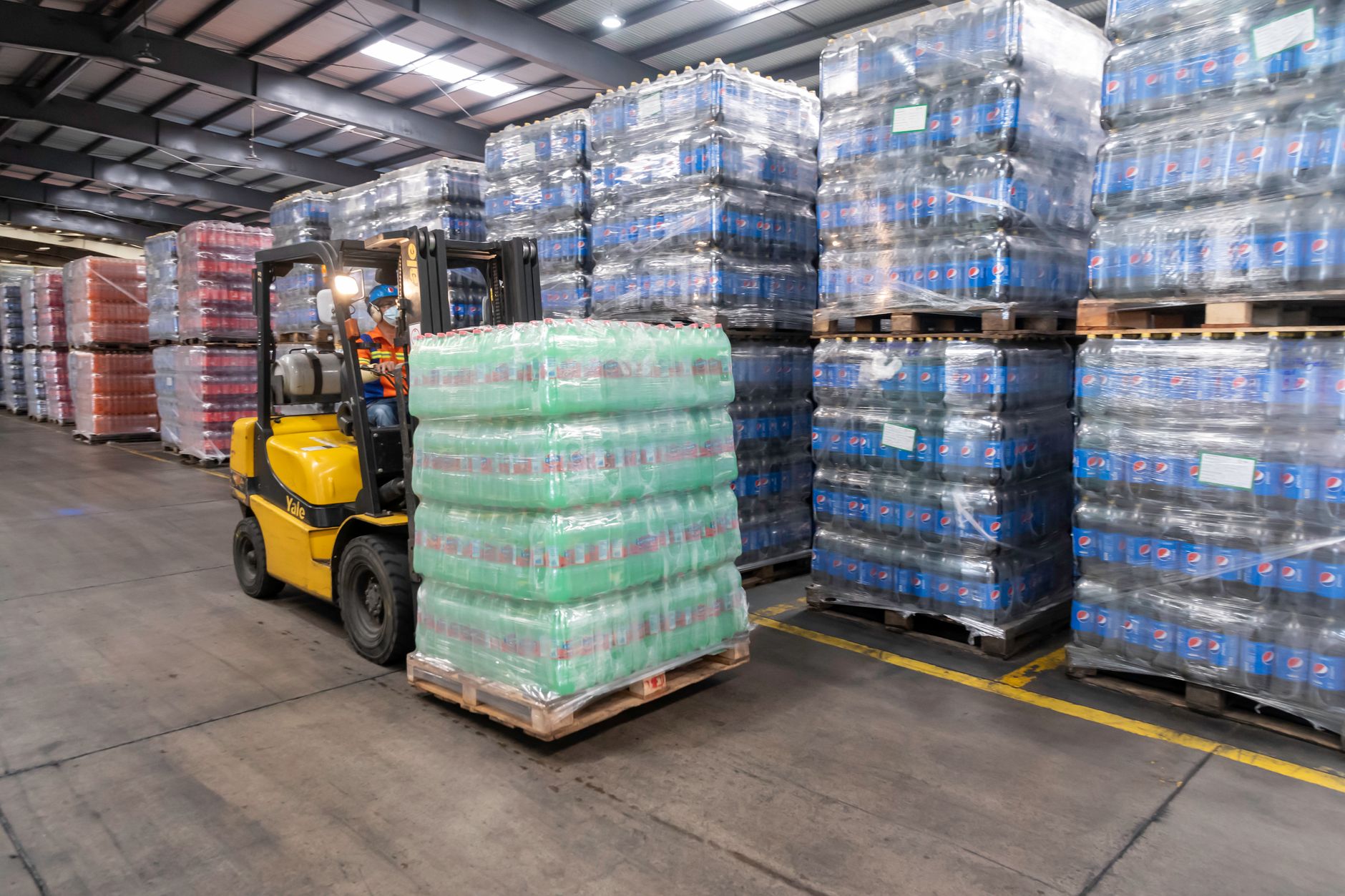
Sparse picks and long walks
The beverage shipper needed high units picked per hour, but pick density was low and order consolidation scattered work across the building. Pickers burned time walking between locations instead of pulling cases.
Fast-moving consumer goods pressure and labor gaps made the old workflow expensive to staff. Leadership wanted physical automation that could pair with layout changes rather than a single silver bullet.
The Midwest 3PL was open to engineering tests because the brand trusted them to protect service levels while experimenting.
- Low pick density across SKUs
- Excess travel between pick faces
- Labor pressure on FMCG timelines
Engineering tests, then AMRs
Operations tried alternative warehouse layouts and workflow tweaks alongside autonomous mobile robots. The team compared options until travel dropped and pick paths tightened.
AMRs became part of the winning design, creating a more efficient workspace and leaving room for later improvements. Training focused on how pickers hand off totes and keep waves moving without fighting robot traffic.
Go-live rolled out in phases so the beverage client could see measurable throughput before expanding footprint.
- Model baseline UPH and walking time
- Pilot layout variants with AMRs
- Lock workflow and train pick teams
- Measure UPH weekly through rollout
Throughput up, labor down
Within six months of implementing the changes, units picked per hour rose 93%. Labor associated with the process fell 21%, freeing budget and floor time for peak season.
The 3PL credited the AMR deployment plus layout work for the gain, not robots alone. Results were visible quickly enough to justify further automation conversations with the brand.
This write-up analyzes a published deployment example. It is not a Service Robot Co. customer story.
What this means for beverage DCs
Beverage and FMCG networks live on UPH. When pick density is ugly, AMRs only pay off if travel and consolidation are engineered together.
Service Robot Co. compares warehouse robot rental and lease options across vendors, maps pick zones, and backs fleets with a nationwide network of regional service engineers.
If your beverage DC still loses hours to walking, a free site assessment can benchmark whether a 90% class UPH jump is realistic on your SKU profile before you buy.