
a children's hospital in Southern California running pharmacy deliveries by robot
Pharmacy Delivery Robots at a Southern California Children's Hospital
How a children's hospital in Southern California moved pharmacy runs onto a delivery robot, the staff time at stake, and how a robot lease fits.
Deployment at a glance
- 284,000
- Hours saved in 2024 across care teams, vendor reported
- 6,350
- Hours credited to one pharmacy in the vendor's 2024 report
- 900+
- Pharmacy deliveries in one month at top volume sites
Based on a documented real-world deployment. Figures are from public reporting; the organization is not named.
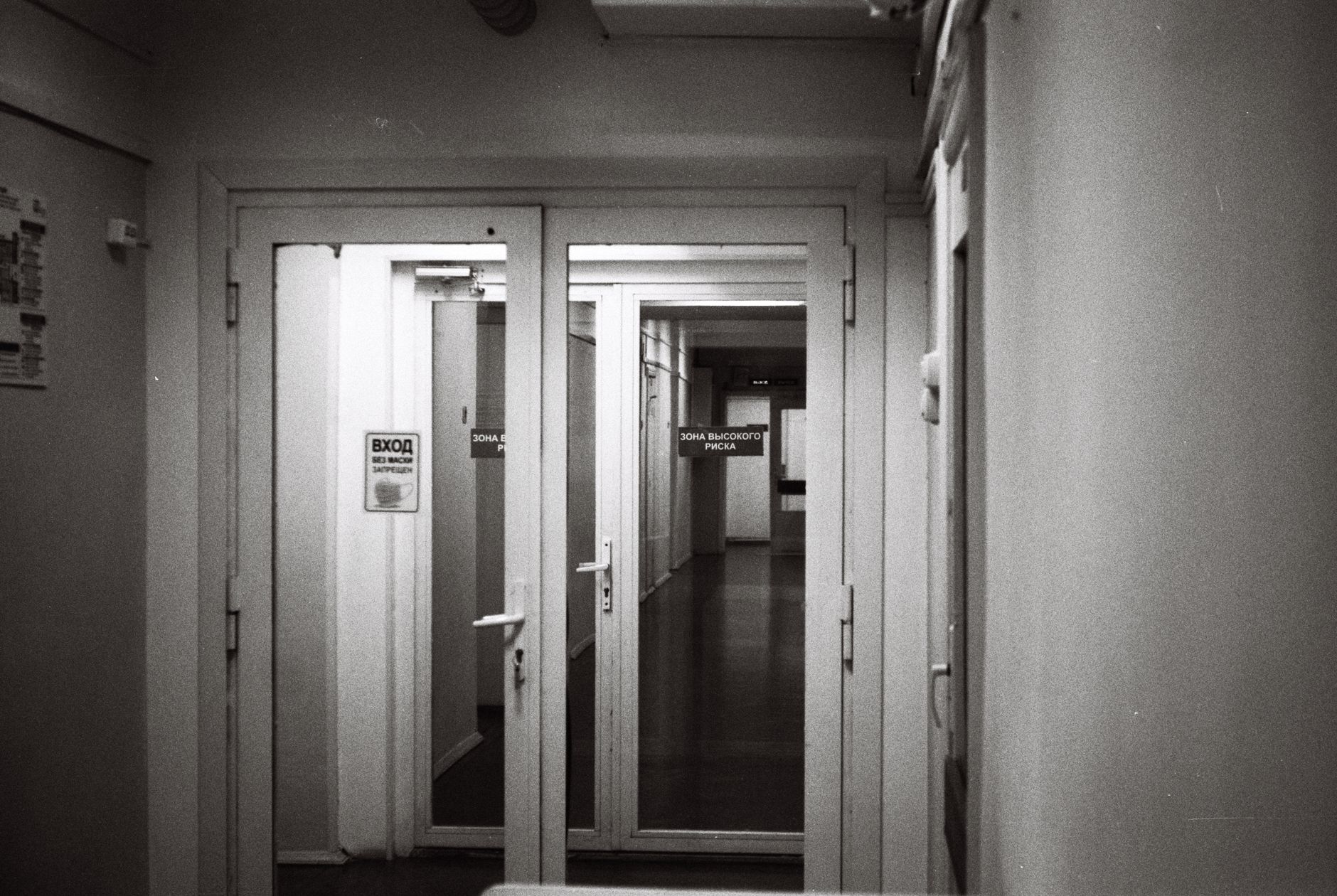
Pharmacy runs that pull people away from patients
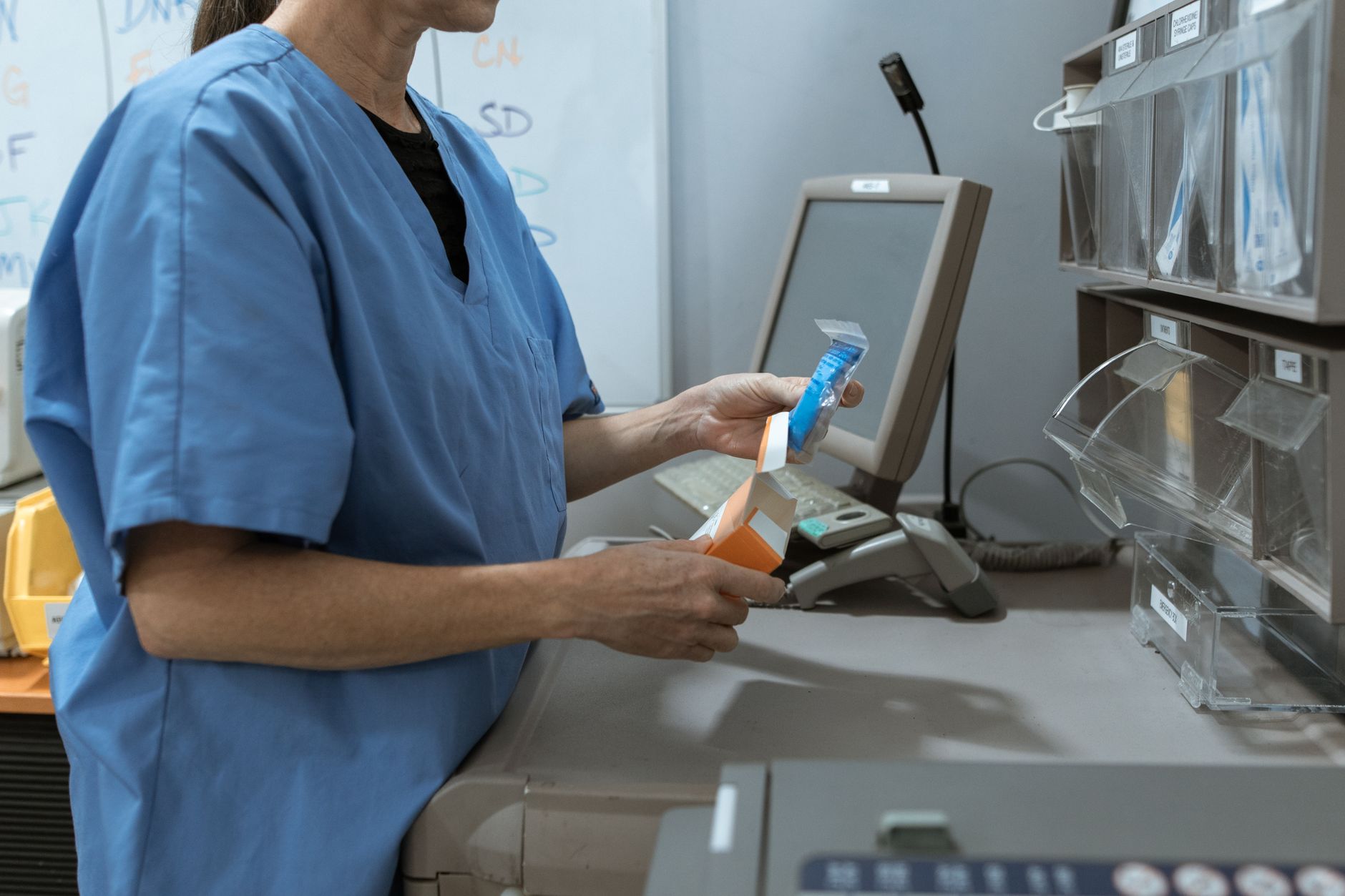
Every hospital pharmacy runs on trips. Medications leave the dispensary for wards, procedure suites and clinics, and each trip ties up someone trained to do other work. At a children's hospital the timing matters more, because a delayed dose or a missing supply lands on a small patient and an anxious family.
Nurses feel the same pull when a shift fills with fetching and gathering. Each trip for a box or a bag is minutes not spent at the bedside, and those minutes rarely appear on a staffing schedule.
The hospital in this study saw the pattern on its own pharmacy routes. Staff walked the same corridors, waited on elevators and carried items that did not call for clinical judgment, while more demanding work waited its turn.
Introducing the robot to daily pharmacy runs
The work began with selection and a site assessment. The team looked at the medication transport route, elevator access, door widths and floor surfaces, and matched a hospital delivery robot to the building rather than forcing the building to fit the robot. Scope and expectations were settled before any hardware moved onto the floor.
Rollout was staged. Pharmacy staff started with a small set of recurring runs, learned how to load, release and recover the robot, and widened the route list only after the first runs ran cleanly. A staged start keeps clinical work moving while staff build trust in the machine.
Training and service closed the loop. Staff needed to know how to call the robot, what to do when it paused in a crowded corridor, and whom to contact when a fault appeared. A clear path for faults, one named contact and onsite dispatch when a unit needs hands on work are what keep a pharmacy team confident.
- Map the medication routes, elevators and doors
- Start with a small set of recurring pharmacy runs
- Train staff on loading, release and recovery
- Name one contact for faults and onsite dispatch
- Widen the route list after a go live review
What the reported hour and volume figures show
Hour totals tell the clearest story. Across the care teams using one hospital robot maker's units, the company reports 284,000 hours saved in 2024, and one pharmacy within that group is credited with 6,350 hours. These are vendor figures, so read them as a sense of scale rather than a forecast for any single building.
Volume is the other lens. In a July 2025 announcement, the same company said its highest volume sites were completing more than 900 pharmacy deliveries in a single month. Each of those runs is a trip that did not depend on a person walking it, and that is the part a pharmacy director feels first.
The walking itself sits underneath both numbers. The useful question for any pharmacy is how many runs the team makes on a typical day, who makes them, and how long each one takes, so the comparison starts from the team's own routes rather than a headline.
What this means for a hospital robot lease
Service Robot Co. is a full service, OEM neutral commercial robot integrator for US businesses. We select the right robots across manufacturers, then finance, deploy, configure, train and service every unit through a nationwide US engineer network. One partner covers the whole lifecycle, from the first site assessment through go live support.
Customers lease robots through financing on a three year term, with a fixed robot lease payment quoted after a site assessment. Staff training and onsite service sit inside the same lease, so a hospital pharmacy works with one contact from scoping through daily running.
The hospital in this study is not a Service Robot Co. client, and nothing here describes our work on its floors. It is a documented real world example we analyze, because the questions it raises about routes, staff time and service response are the right ones to ask before any commercial robot leasing conversation starts.
Frequently asked questions
Want a robot working for you?
Tell us the job and the site. We will recommend the robot, quote the lease, and keep it serviced.