
an egg farm in Wales, UK
An Egg Farm in Wales Cuts 2.5 Daily Labor Hours With a Palletizing Robot
An egg farm in Wales, UK added a palletizing robot to its packing line, freeing about 2.5 labor hours a day and easing manual lifting strain on the team.
Deployment at a glance
- 2.5 hours
- Daily labor saved, as stated in the project report
- 45 minutes
- Hand stacking time for one pallet of 720 dozen eggs
- 4.5+ pallets
- Pallets the farm fills each day
- Two staff
- Team that stacked by hand, working 8:00 to 12:00 daily
Based on a documented real-world deployment. Figures are from public reporting; the organization is not named.
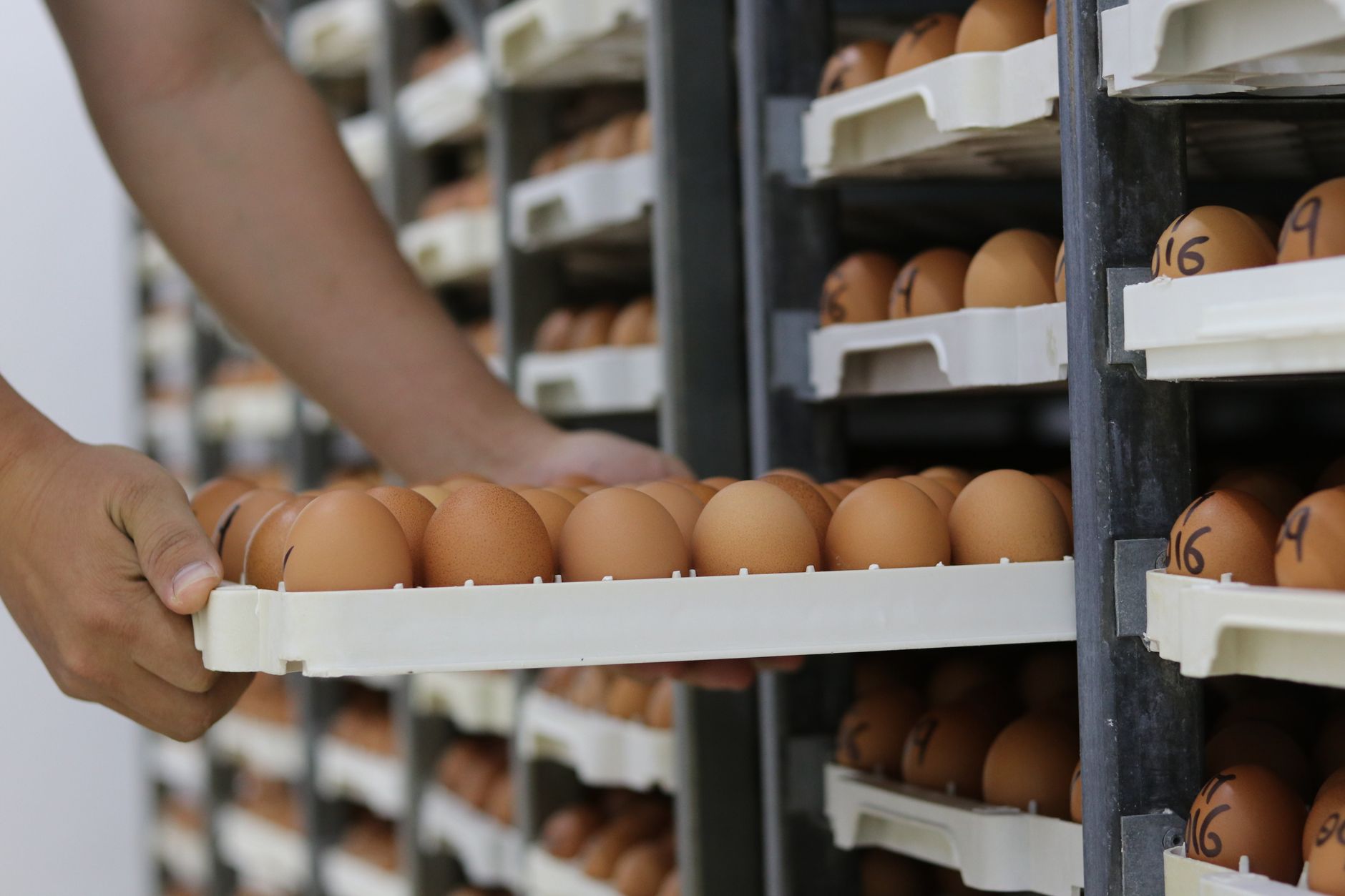
Pallets stacked by hand, every morning
The egg operation is a Welsh poultry business that moved into eggs in 2008. Its packing work depended on people lifting and stacking egg trays onto pallets, and the project report places two staff on that task each day between 8:00 and 12:00.
A pallet of 720 dozen eggs took about 45 minutes to stack by hand, and the farm filled more than 4.5 pallets a day. Repeated lifting and reaching across that volume costs hours, and it places real load on the arms, shoulders and back.
Adding a robot to the packing system
The farm added a palletizing robot to its egg packing system to reduce the labor needed for stacking. The robot stacks the egg trays, which took that repetitive work off the team's hands and let staff turn to other tasks.
Health and safety sat at the center of the project. Upper limb (ART) and manual handling (MAC) assessments were completed to measure the robot's benefits, so the gains were weighed on the body as well as the clock.
- Egg trays stacked onto pallets by the robot, added to the packing system
- Upper limb (ART) and manual handling (MAC) assessments completed to measure benefits
- Freed time available for bird husbandry

Hours returned and time moved to the birds
The project report states that daily labor fell by 2.5 hours. That is the headline figure, and it describes time the packing team no longer spent stacking pallets by hand.
The report also notes that the freed time could go to bird husbandry. That is a different kind of gain from a headcount cut, and it gives the team more time with the flock.
The strain gains are harder to reduce to one number. The report describes less heavy lifting and less awkward bending for the team, and the upper limb and manual handling assessments were the tools used to judge those changes.
What this means for a US operation
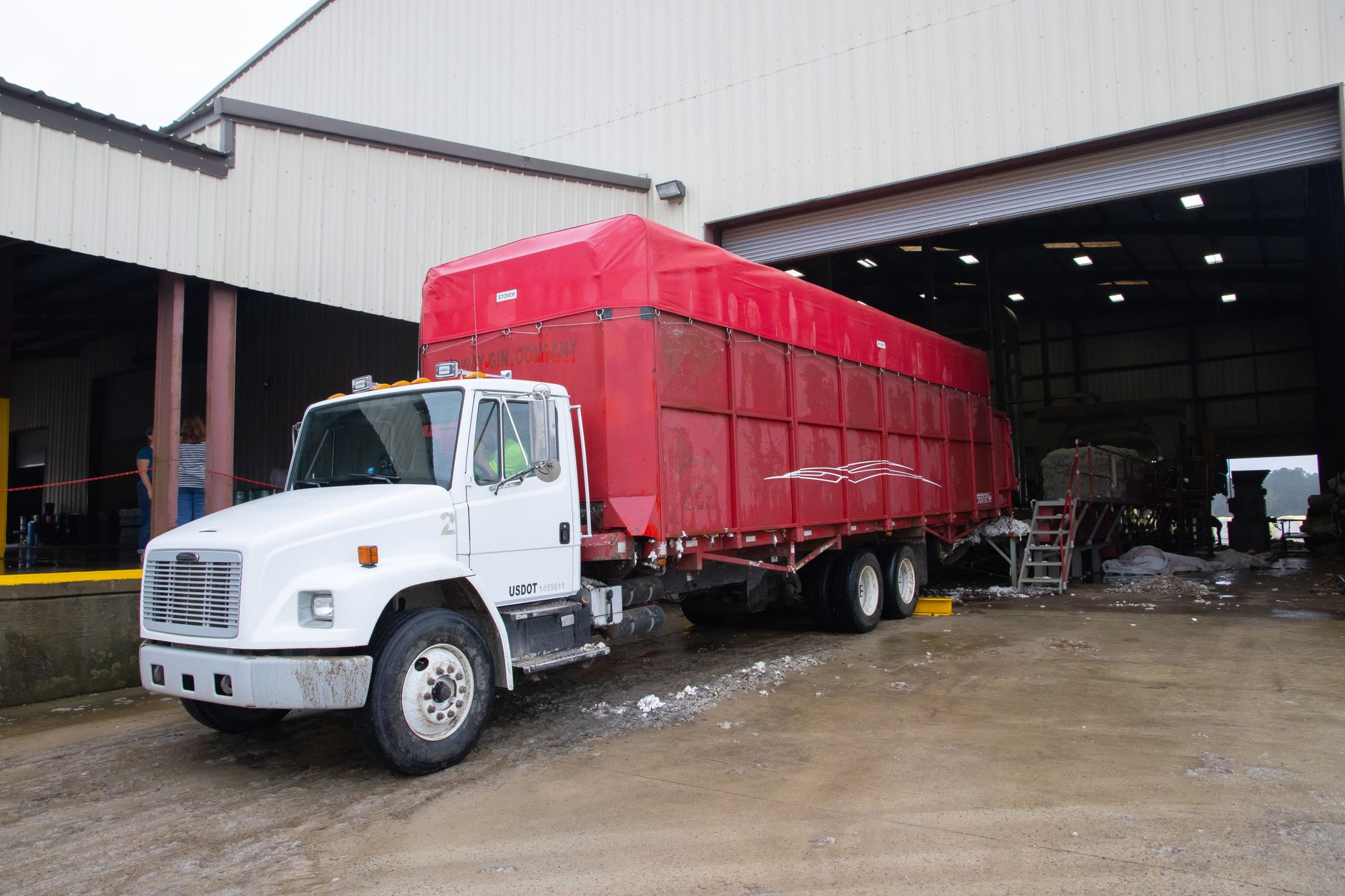
Service Robot Co. was not involved in this deployment. What a US operator can take from it is the order of questions: which robot fits the packing line, how the staff are trained, and who services the unit once it is running.
Service Robot Co. selects palletizing robots across manufacturers, then arranges robot leasing through financing on a three year lease with one fixed payment, quoted after a site assessment. Integration, training and service come from a nationwide US engineer network, so one partner covers the whole lifecycle. Teams comparing robot lease options can begin with that assessment.
Frequently asked questions
Want a robot working for you?
Tell us the job and the site. We will recommend the robot, quote the lease, and keep it serviced.