
a Virginia hospital
A Virginia Hospital's Delivery Robots: 14,300 Hours Returned, Vendor Reported
A Virginia hospital deployed mobile service robots for medication, supply and lab sample runs. The vendor reports over 14,300 staff hours returned.
Deployment at a glance
- 14,300
- Staff hours returned, vendor-reported
- 27,500+
- Deliveries completed, vendor-reported
- 2
- Mobile robots in service from February 2022
Based on a documented real-world deployment. Figures are from public reporting; the organization is not named.
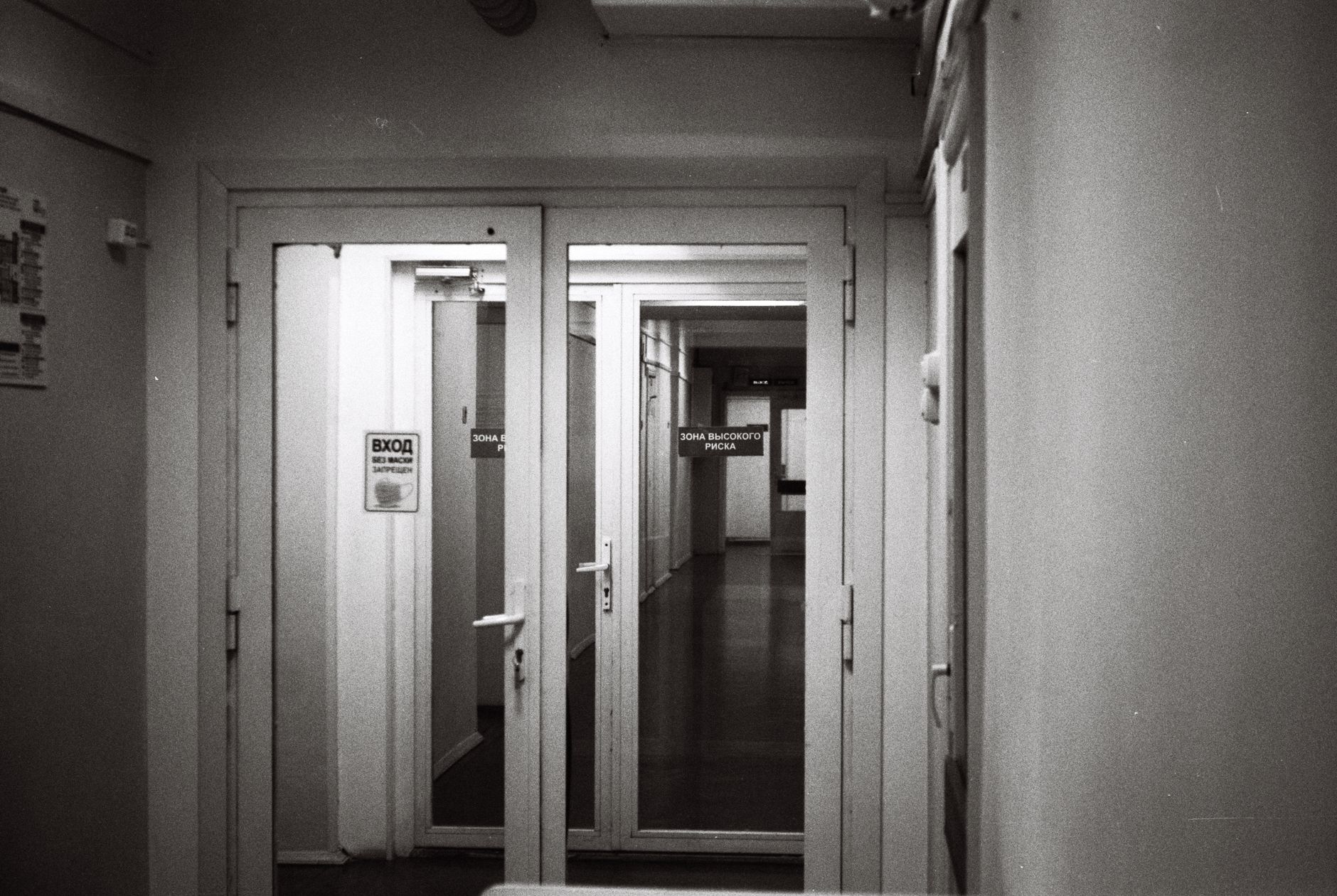
Clinical time lost to the corridor
Routine support work rarely makes headlines, yet it quietly pulls clinical people away from the patients they are caring for. Medications, supplies and lab samples have to travel between storage, nursing units and the laboratory, and each trip takes a nurse or technician off the floor.
Hospital nursing leadership framed the goal around where bedside staff spend their shifts. The aim was to keep nursing assistants and technicians at the bedside, where they could spend more time practicing at the top of their licenses.
- Medication runs that pulled staff away from their units
- Supply movement spread across clinical shifts
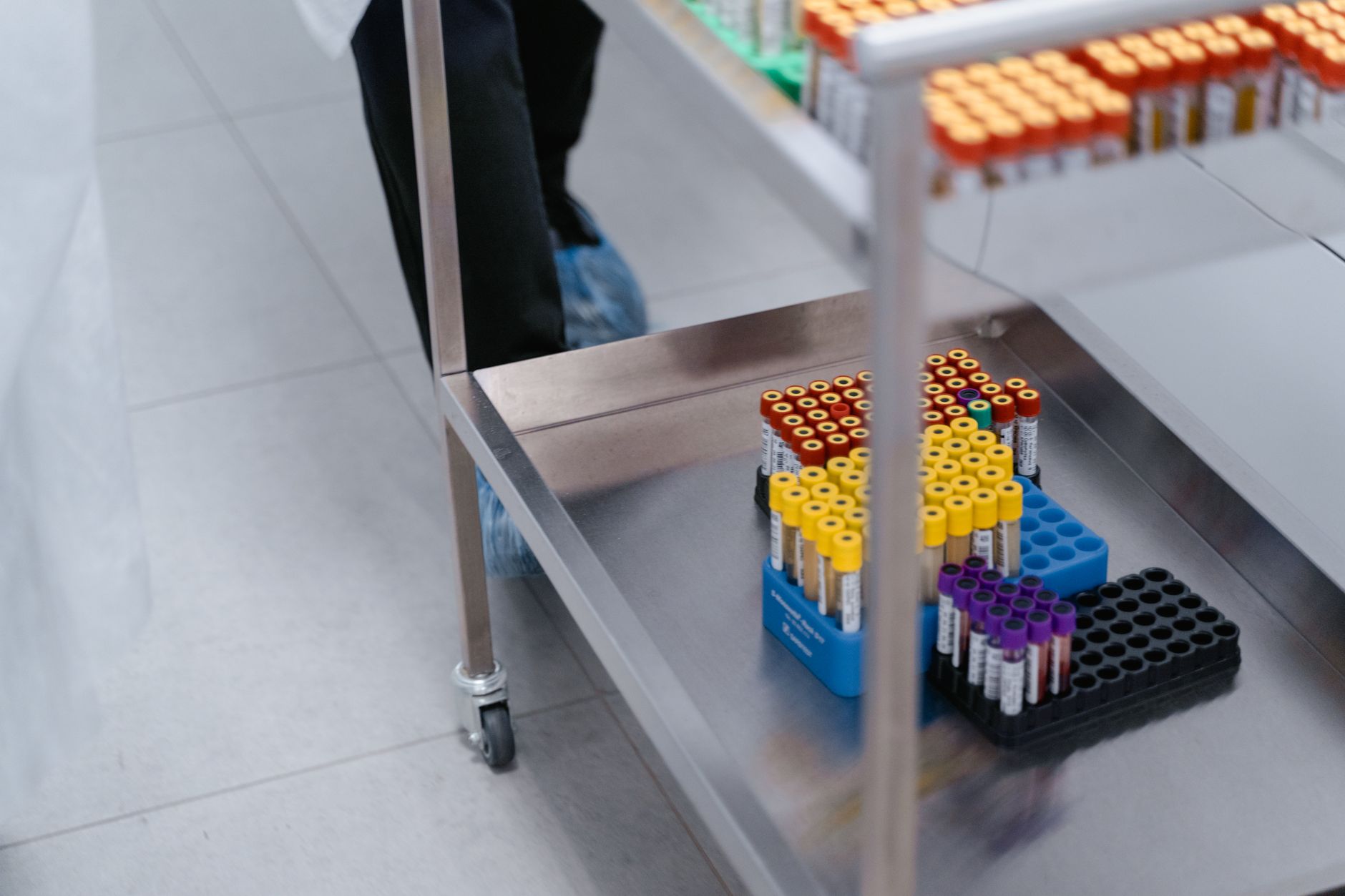
- Lab sample transport between departments
Two robots, a narrow task scope, and a February 2022 start
The hospital began operating two mobile robots in February 2022. Each unit pairs an autonomous base with a humanoid-style upper body and a robot arm, a configuration the robot supplier describes as mobile manipulation.
A narrow scope is what keeps a medication transport robot workable on a clinical floor. Staff continue to handle every task that touches a patient, and the robots take over the transport that surrounds that care.
- Deliver medications to care units
- Move supplies between storage and departments
- Carry lab samples to the laboratory
Hours and deliveries, as the vendor counts them
The robot supplier reports more than 14,300 hours returned to nurses and clinical teams at the hospital. The figure is a single cumulative tally, so it describes the deployment as a whole rather than a yearly pace, and it has not been audited.
The same vendor material reports over 27,500 deliveries completed. Read together, the two figures describe a large volume of transport moved off clinical staff, but on their own they do not establish savings.
Hospital leadership described the change in human terms: assistants and technicians stayed at the bedside, and the time they once spent in transit moved toward clinical practice.
What a lease-based robot program looks like for a hospital
This hospital's deployment was not carried out by Service Robot Co. We are a full-service, OEM-neutral commercial robot integrator for US businesses. We select the right robot across manufacturers, then finance, deploy, integrate, train and service every unit through a nationwide US engineer network, so one vendor covers the full lifecycle.
Our robots are offered on a lease: a 3-year lease with one fixed payment quoted after a site assessment. A hospital weighing a hospital delivery robot lease can start with a robot pilot program scoped to one class of task, then measure what changes before widening the program.
Frequently asked questions
Want a robot working for you?
Tell us the job and the site. We will recommend the robot, quote the lease, and keep it serviced.