
a U.S. sow-farm operator running multiple farm sections
A Sow Farm Moves Section Power Washing to a Robot: 5 Hours to 4
How a U.S. sow farm operator moved section power washing to a robot, cutting washing time from five hours to four and crew size from two or three to one.
Deployment at a glance
- 5 to 4 h
- section washing time, down from five hours
- 3 to 1
- people on the washing job, down from two or three
- 50+
- robots in use across US sow farms after the rollout
- 2019
- year the operator first tested the robot
Based on a documented real-world deployment. Figures are from public reporting; the organization is not named.
Washdown work that keeps coming back
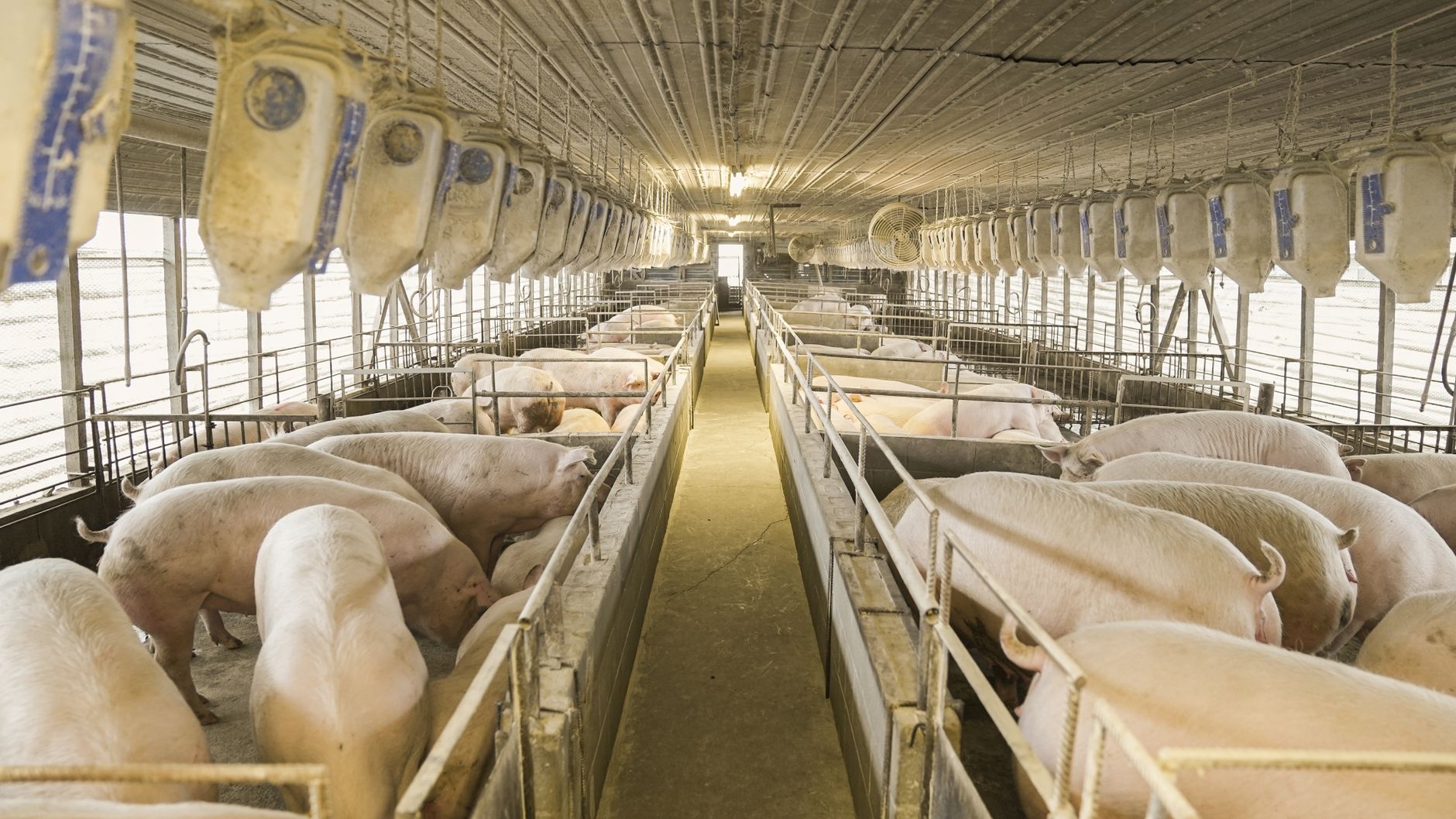
A sow farm never stops needing clean pens. Each section has to be washed down between groups of animals, and that work returns on a steady rhythm all year. For an operator running several farm sections, washing becomes a standing claim on crew hours.
Power washing is wet, physically demanding and repetitive. Crews spend long stretches working pressure equipment through the same spaces, and that time competes with the rest of the farm's work. Before the change, the job took two or three people.
- Washdown that returns on a regular cycle through the year
- Long stretches with pressure equipment in wet conditions
- Crew hours that compete with the rest of the farm's work
A test first, then a wider rollout
The operator tested the robot supplier's washing robot in 2019 before expanding its use. That first test gave the team a working basis for a larger rollout, and the rollout reached more than 50 robots across its US sow farms.
A fleet of that size usually depends on training, setup and steady service. Those are the pieces a facility should plan before the first unit goes live, not after the crew has already fallen behind on washing.
- Test the robot on the operator's own washing routine in 2019
- Expand from the trial to more than 50 robots across US sow farms
- Plan training and setup before wider use
- Keep service support in place as the number of units grows
Hours and headcount on the job
Section washing time came down from five hours to four, a saving of one hour on each section wash. Staffing for the job fell from two or three people to one, so a crew that once worked together now runs the job with a single person.
The gain is a smaller crew and a shorter wash, which is a practical result rather than a promise that hands-on work disappears. Weigh that carefully when you compare a robot with the way your crew works today.
What this means for facility operators
Any facility that repeats labor heavy washdown work faces the same arithmetic this operator did. Count the hours each cycle takes, count the people it pulls onto the job, and compare that with what a robot would cover. The operator in this study is a documented example, not a Service Robot Co. client.
We are an OEM neutral integrator, so we select the robot across manufacturers, then handle commercial robot leasing, robot deployment and integration, training and service through one partner, one number. Robots are leased only, on a three year lease with one fixed quote after a site assessment, and our US engineers dispatch on site when a unit needs attention.
Frequently asked questions
Want a robot working for you?
Tell us the job and the site. We will recommend the robot, quote the lease, and keep it serviced.