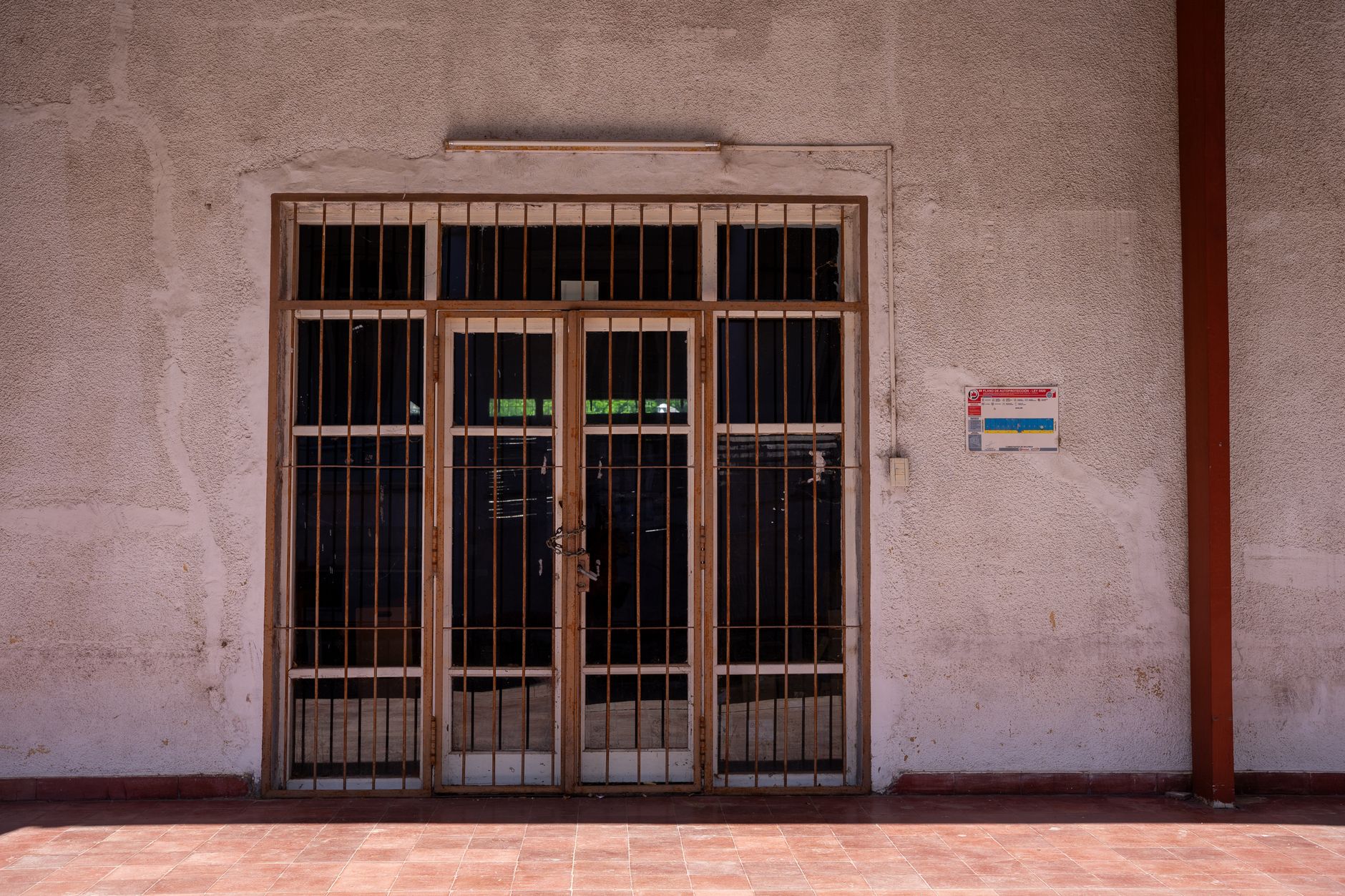
a pediatric hospital ward in England running terminal room disinfection after patient discharge
How a Children's Hospital Ward Cut Reported Infections 43% With UV-C Robots
A documented pediatric ward pilot: UV-C disinfection after terminal cleans cut reported infections 43% in nine months and annual HAIs fell to one or two cases.
- 43%
- fewer infections
- 9 mo
- pilot length
- 1-2
- HAIs per year
- 5-6
- prior HAI norm
Based on a documented real-world deployment. Figures are from public reporting; the organization is not named.
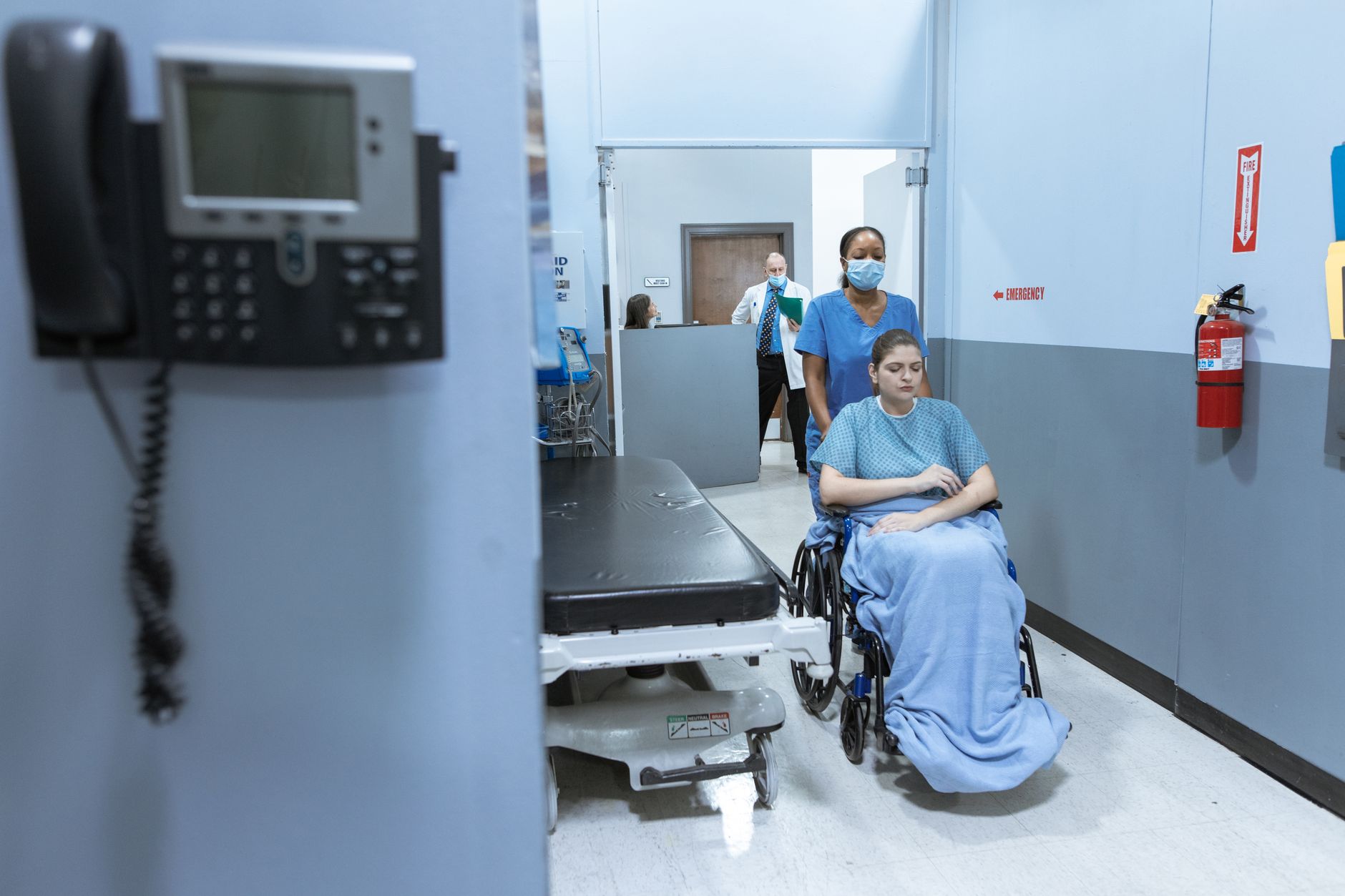
Infection reports stayed stubborn on discharge
A pediatric hospital ward in England running terminal room disinfection after patient discharge needed stronger assurance after patients left high-touch rooms. Manual terminal cleans were in place, yet the ward still saw a steady stream of reported infections against its own history.
Infection prevention leaders wanted a repeatable UV-C step nurses could run without adding a long hold on bed turnover. They also needed evidence the workflow could beat prior vaporized hydrogen peroxide approaches on turnaround time and operating cost.
- Baseline of about five to six hospital-acquired infections per year on the ward
- Need for faster room readiness after discharge
- Staff and family confidence tied to visible disinfection steps
Nurses added autonomous UV-C after terminal clean
The ward piloted multiple emitter UV-C units that nurses started after each terminal cleaning at discharge. The robots ran the manufacturer's room protocol while doors stayed closed to protect staff and visitors.
Nurses owned the workflow during the pilot, which let infection prevention compare reported infections against the ward's prior nine-month history rather than a hypothetical control.
- Select UV-C hardware that fits post-discharge terminal workflow
- Train nurses to run cycles after manual terminal cleaning
- Track reported infections against the ward baseline
- Review results monthly during the nine-month pilot
Measured drop in reported infections
Over nine months the ward recorded a 43 percent decrease in reported infections compared with its prior period, according to the public write-up of the pilot. Leadership shortened the planned twelve-month study because the trend was already clear.
Annual hospital-acquired infection counts on the ward fell from an expected five or six cases to about one or two per year after UV-C was added to terminal cleaning. Staff, patients, and parents reported feeling safer in the environment.
What US hospitals can take from the pattern
The story is not a single robot badge. It is how UV-C slots after terminal cleaning, who runs the cycle, and how infection prevention tracks reported cases against the ward's own baseline.
Service Robot Co. stays OEM-neutral: we shortlist UV-C disinfection robots that match your room sizes and discharge workflow, finance or lease the fleet, train environmental services and nursing leads, and support units through RoboCare. This documented deployment is an industry example we analyze, not a claimed Service Robot Co. customer.