
an Israeli household and cleaning products manufacturer palletizing mixed carton sizes
How a Cleaning-Products Maker Built 1.9 m Pallets With Collaborative Cobots
IFR-documented Sano installed two compact FANUC CRX palletizing cells with OnRobot lift and gripper, handling 11 box types to 1.9 m with ROI under 1.5 years.
- <1.5 yr
- ROI cited
- 2
- Pallet stations
- 11
- Box types
- 1.9 m
- Stack height
Based on a documented real-world deployment. Figures are from public reporting; the organization is not named.
Hiring gaps and tight floor space
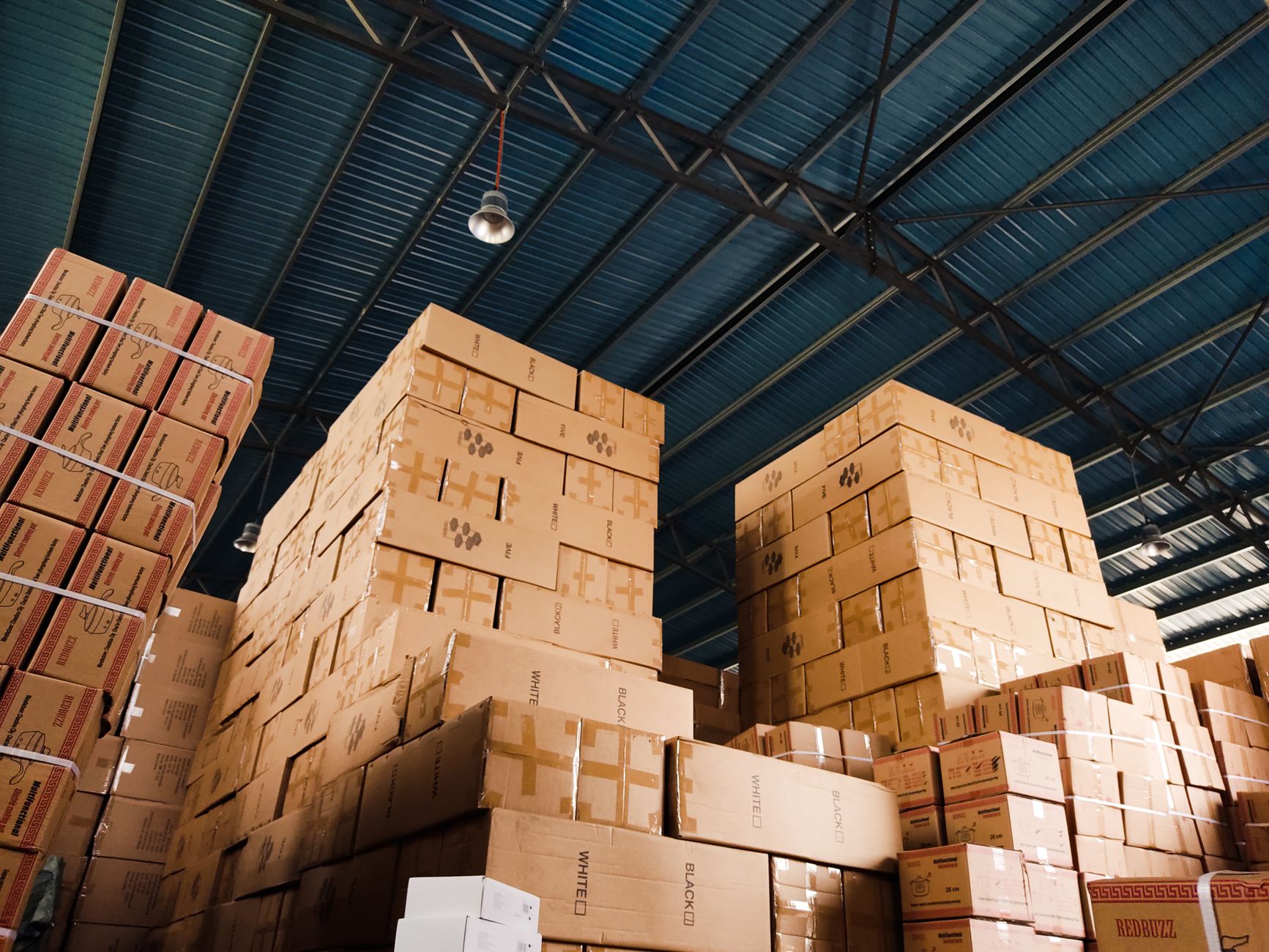
Sano produces hundreds of household and cleaning SKUs and had relied on manual palletizing at the end of the line. The IFR case notes growing difficulty filling operator roles while keeping a continuous production flow.
The plant already housed larger fenced industrial robots, so new automation had to work safely beside people and fit a crowded floor. Pallet builds up to about two meters high needed a compact solution rather than another large fenced cell.
- Palletize mixed carton sizes without stopping the line
- Reduce dependence on hard-to-hire manual pallet builders
- Keep workers safe without adding large fenced zones
- Stack pallets near two meters in limited floor space
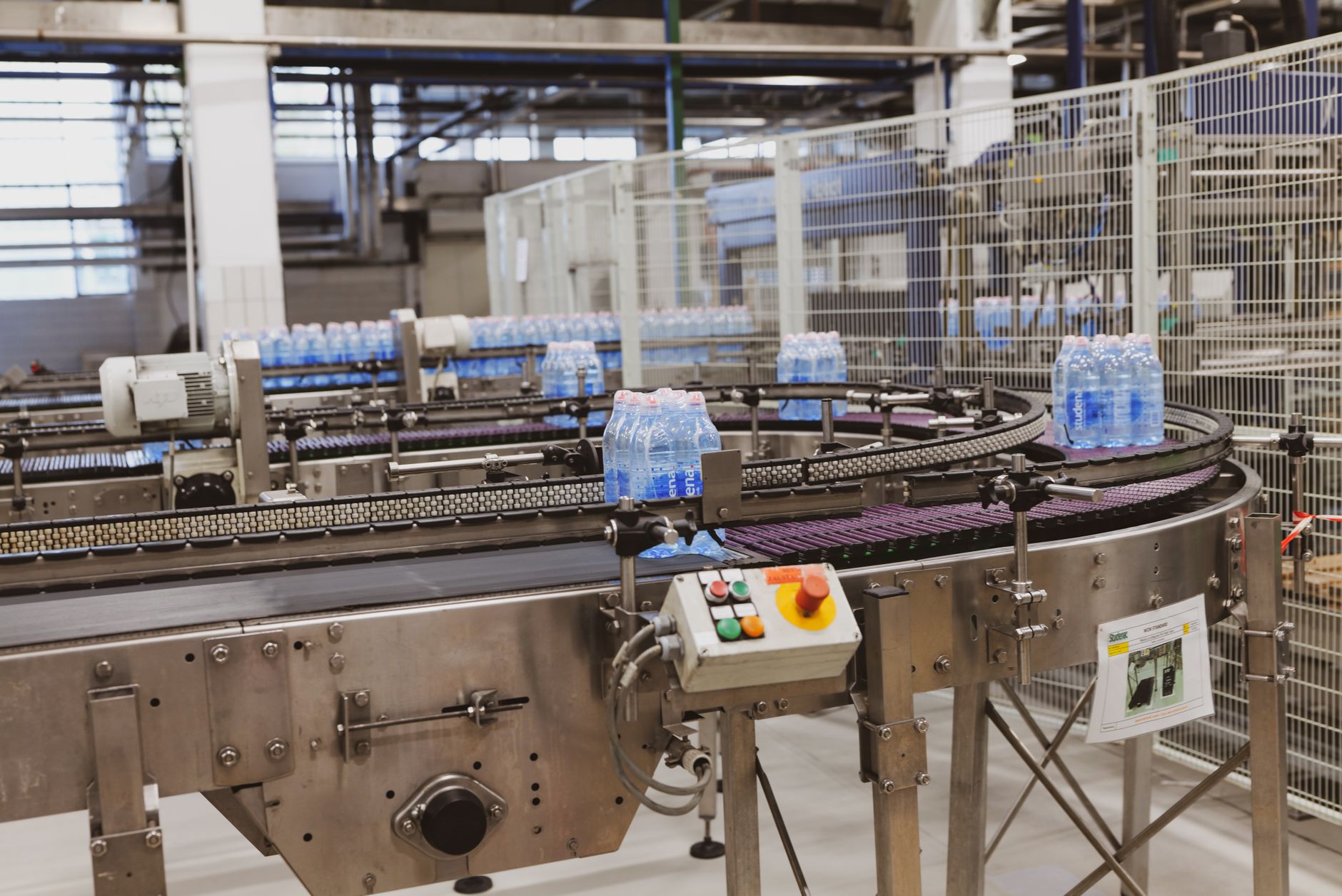
Collaborative cells with lift and electric gripper
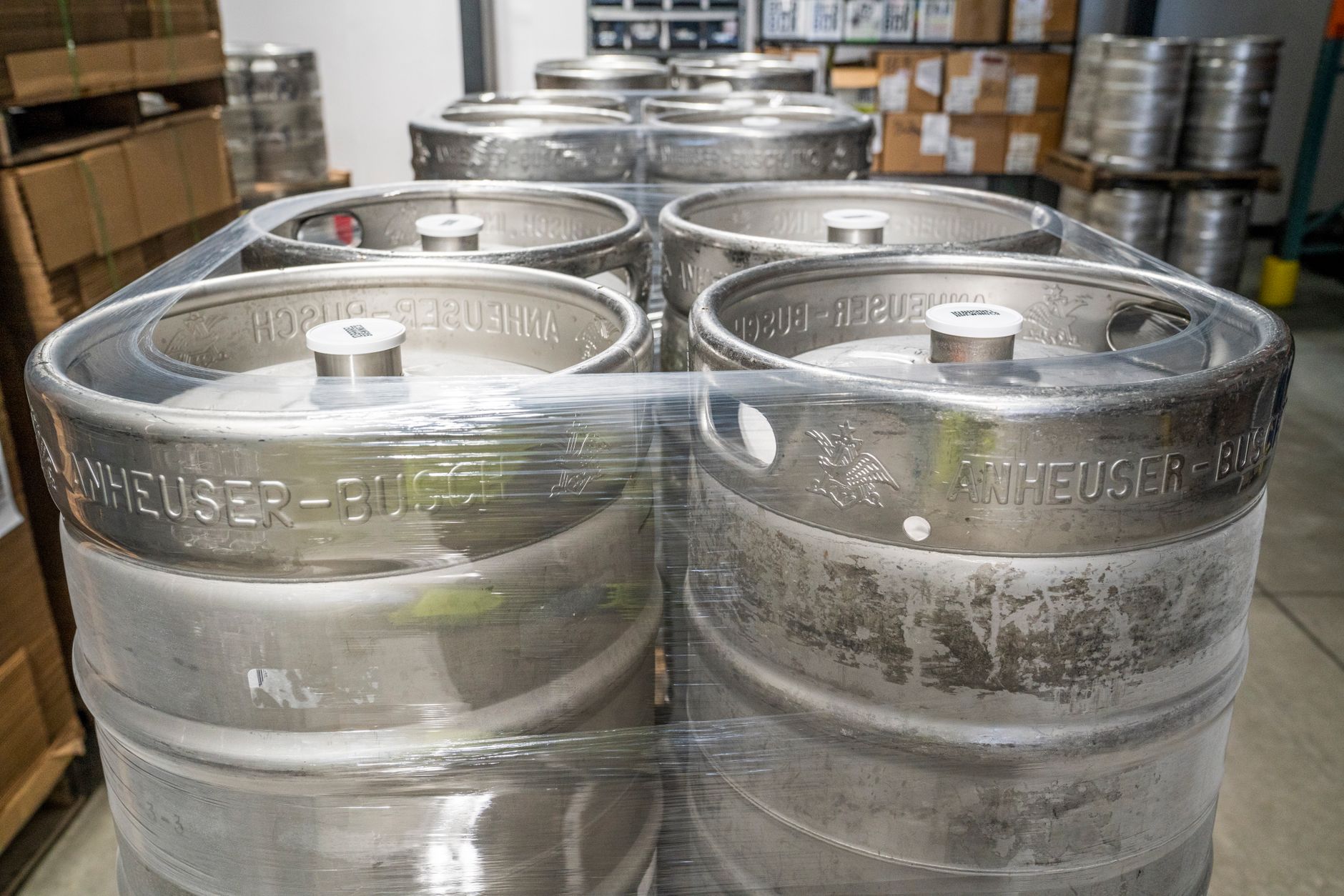
Integrator ASSATEC proposed two palletizing stations built from FANUC CRX collaborative robots on OnRobot Lift100 platforms with fully electric 2FGP20 grippers, per the IFR article.
The lift module addressed building 1.9 meter pallets in a compact envelope, while the gripper stroke handled eleven box variations and interlayer sheets without tool changes.
Plant engineer Guy Sameach told IFR the first station integrated in about one week and the second was faster, with a cited return on investment under one and a half years.
- Mount collaborative arms on vertical lift modules
- Use one electric gripper stroke for eleven box types
- Place interlayers during high pallet builds
- Keep footprint small beside existing fenced robots
- Integrate quickly without long line shutdowns
Documented footprint and staffing relief
Published comments emphasize the small footprint versus traditional palletizing layouts and the ability to palletize safely near workers without new fencing.
Leadership tied the project to workforce availability, noting open operator roles were increasingly hard to cover before automation.
Sameach also highlighted fast integration and sub eighteen-month ROI as reasons the collaborative approach stuck after exploring alternatives.
What U.S. plants can take from the pattern
This is a documented deployment analyzed by Service Robot Co., not a claimed client win. The transferable idea is collaborative palletizing when floor space is tight, carton mix is wide, and hiring manual end-of-line labor is unreliable.
Service Robot Co. maps similar end-of-line palletizing and case packing needs, then finances, deploys, trains, and services OEM-neutral cobots and industrial arms under RoboCare nationwide. A free site assessment checks stack heights, box mix, and safety zoning before you buy or lease.