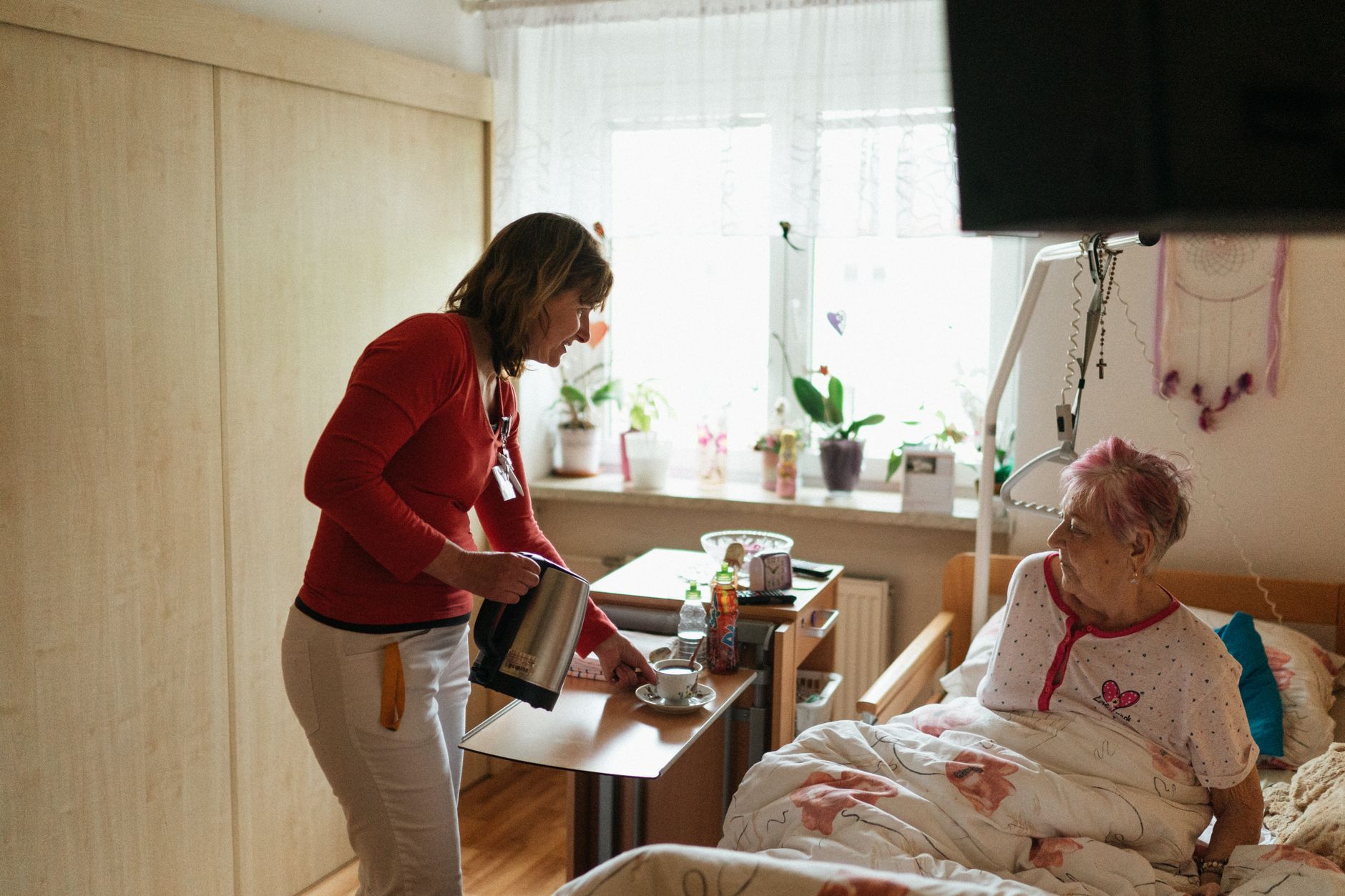
a coastal California senior living community dining program in a multi-site food-runner pilot
How a Coastal Senior Living Dining Pilot Logged 736 Robot Deliveries at 88% Mission Success
A documented senior living dining pilot tracked 736 successful food-runner deliveries at about 88% mission success with two robots during a multi-community study.
- 736
- Deliveries
- 88%
- Success rate
- 188
- Failed runs
- 2
- Robots
Based on a documented real-world deployment. Figures are from public reporting; the organization is not named.
Dining staff stretched thin after reopening
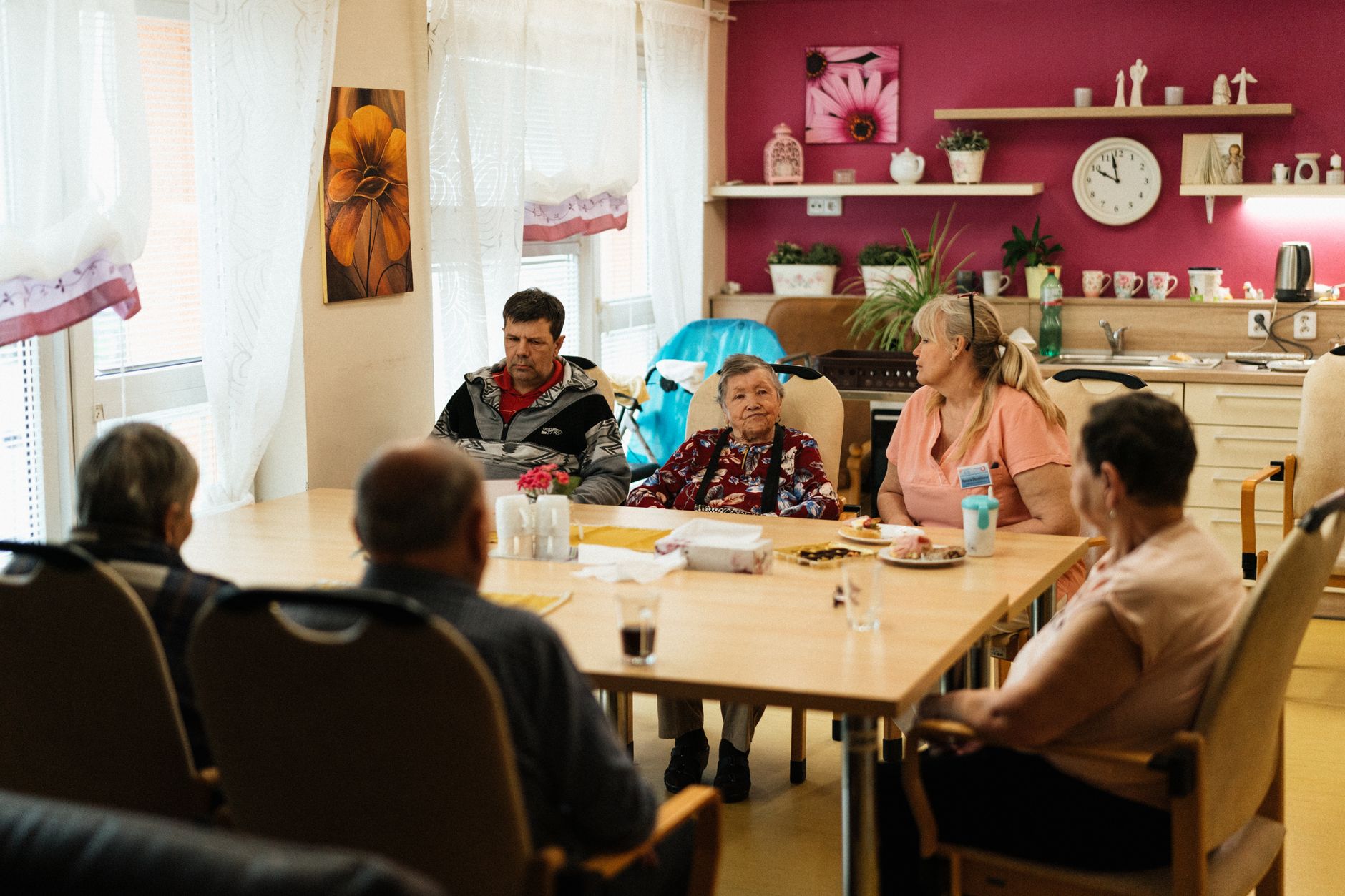
A coastal California senior living community faced the same post-pandemic dining pressures as many peers: staffing gaps, split shifts, and residents expecting steady meal service across busy dining periods.
Leadership wanted measurable proof that food-runner robots could absorb repetitive carrying work while servers stayed present with residents instead of disappearing into the kitchen loop.
Two robots on a tracked pilot
The community joined a multi-site pilot with two food service robots deployed in dining service. Operators mapped handoff points, trained dining staff on start and recovery routines, and received daily mission reports through a shared dashboard.
Supervisors compared robot-assisted shifts against prior weeks on delivery counts and failed missions rather than relying on anecdotal floor feedback alone.
- Map kitchen-to-dining handoff points
- Train staff on start and recovery routines
- Review daily mission success reports
- Compare failed missions week over week
Hundreds of successful runs logged
Published pilot data show the two robots completed 736 successful deliveries with 188 failed missions, yielding about an 88 percent mission success rate at this community during the study window.
The same multi-community report notes resident survey gains, including 65.4 percent of residents saying robots improved their overall dining experience after the pilot.
What operators can copy with Service Robot Co.
This community is a documented pilot example, not a Service Robot Co. customer. It still shows what U.S. senior living dining directors ask for: log delivery success, then tie robots to resident-facing time and staffing pressure.
Service Robot Co. stays OEM-neutral on food service robots, helps compare runners against your dining layout, and handles financing, deployment, training, and RoboCare service nationwide. A free site assessment is the usual first step for buy or lease quotes on your meal routes.