a 65-employee U.S. private-label coffee packer
Private-Label Coffee Packer Raises Output 15% With Two Cobot Pallet Cells
A documented coffee manufacturing case study: two collaborative palletizers pack 180,000 single-serve cups daily and freed eight workers per day with payback under 12 months.
- 15%
- Productivity lift
- 8 workers
- Reallocated daily
- 180K cups
- Packed each day
- <12 mo
- Reported payback
Based on a documented real-world deployment. Figures are from public reporting; the organization is not named.
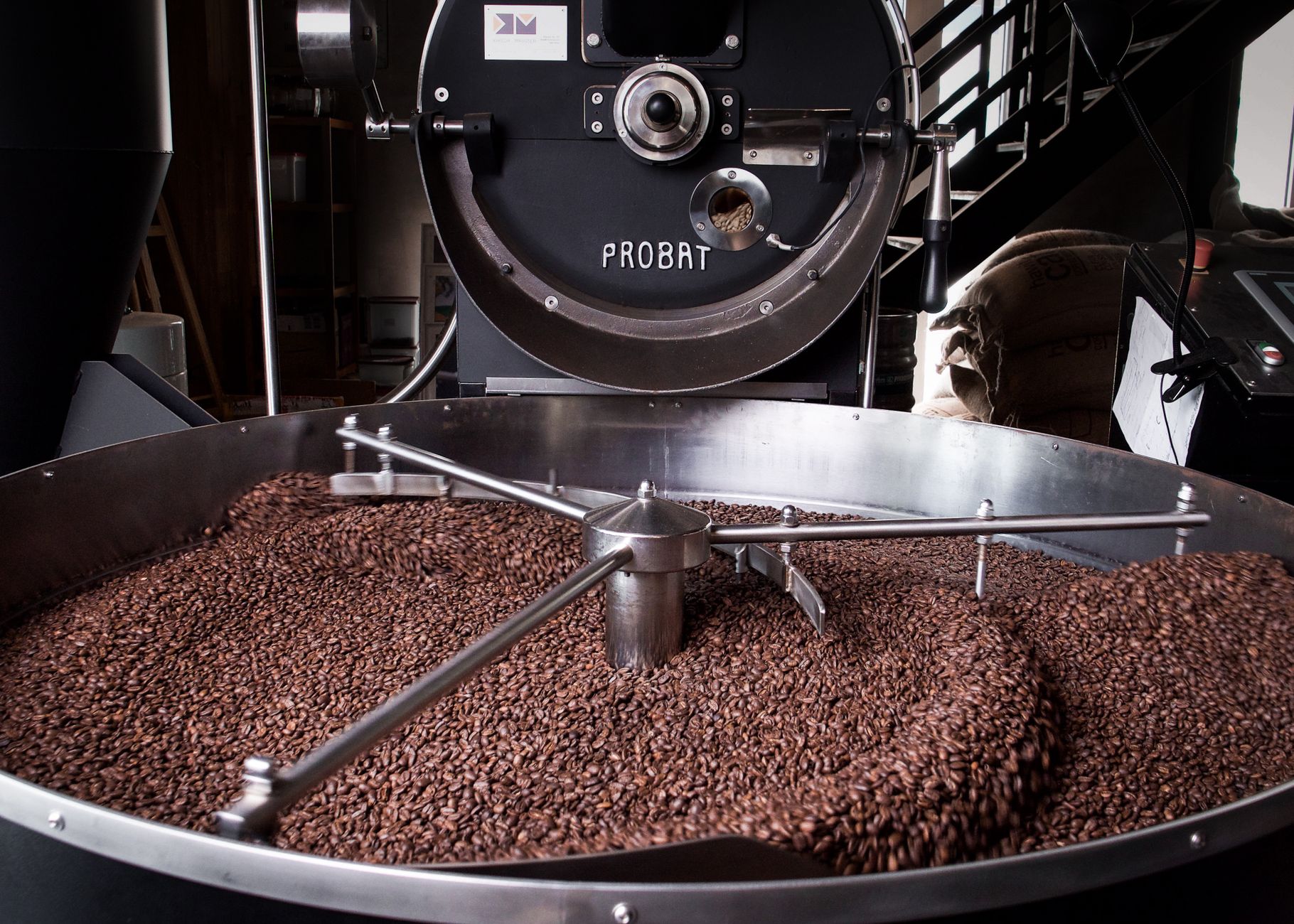
Hand stacking capped bids on private-label work
This 65-employee U.S. private-label coffee packer roasts and packs for both house brands and outside labels. Growth in private-label volume depended on reliable end-of-line palletizing, but repetitive hand stacking pulled people into unergonomic work and made staffing swings expensive.
Leadership reviewed large dedicated packaging lines and found capital barriers that did not match the mix of box sizes and changeovers on the floor. Labor shortages made it harder to staff two shifts of stacking without overtime, which eroded margins on new bids.
- High-mix box formats with frequent changeovers
- Two-shift production with long daily run hours
- Need to compete for new private-label accounts without adding fixed headcount
Two collaborative pallet cells beside the sealer
The operation installed two automated palletizing cells using collaborative robot arms paired with an integrated palletizing software package. A distributor and certified systems integrator mapped box sizes, pallet dimensions, and cycle expectations in simulation before hardware arrived.
Each cell picks sealed boxes from the conveyor after the auto sealer and builds pallets. The cells run about 18 to 20 hours per day across two shifts. Programming focused on operator ownership: floor staff with no prior robotics experience trained on touchscreen changeovers that take under a minute for box size, count per pallet, or orientation.
Built-in robot controllers talk to each other so a fault on one line signals the other, reducing troubleshooting spread across extra PLCs.
- Simulation sign-off on cycle time before install
- Dual cells sharing status without a separate PLC layer
- Hands-on training so production owns programs and changeovers
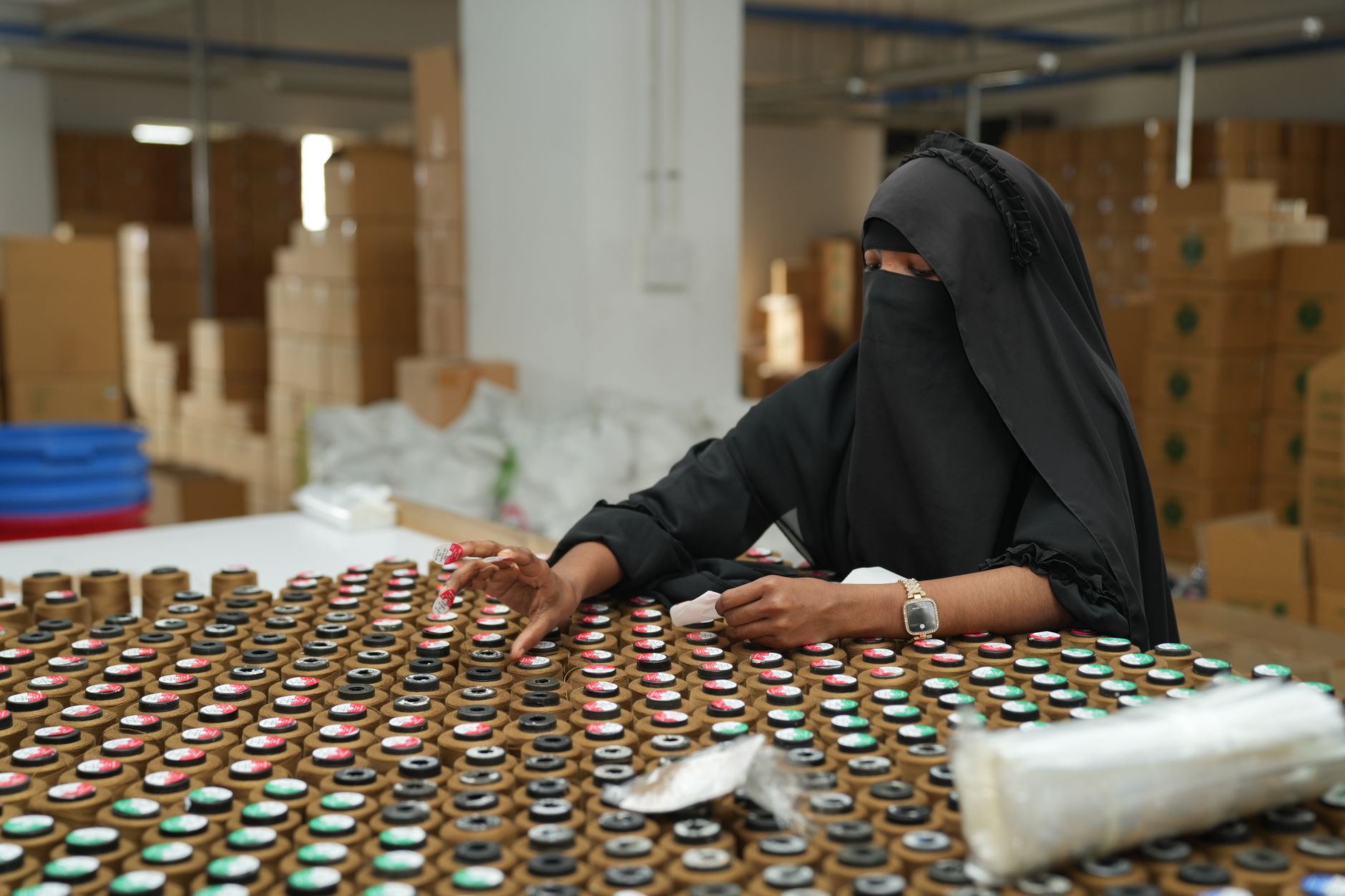
Measured throughput and staffing relief
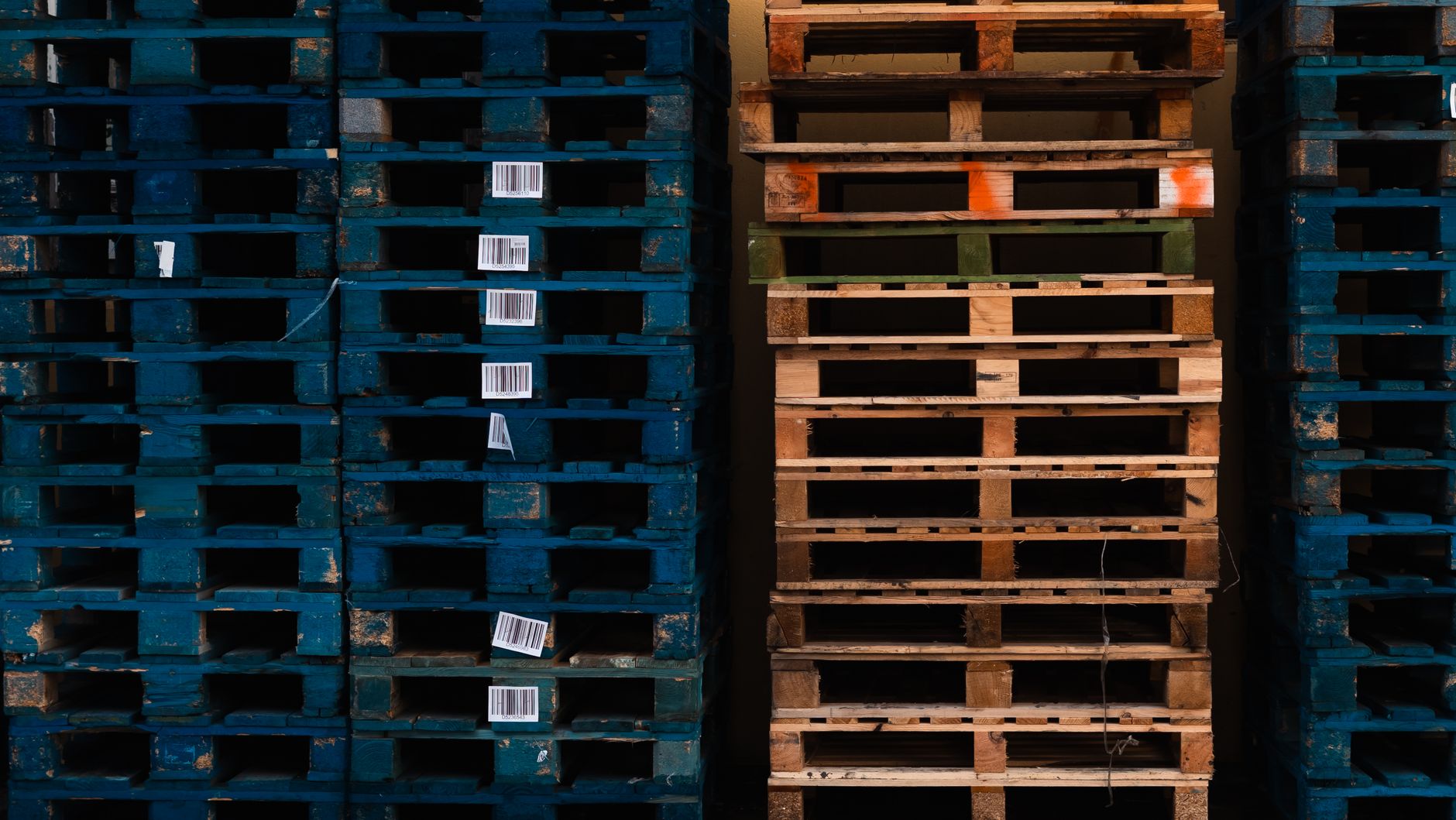
Together the two cells palletize about 1,500 boxes each per day, totaling roughly 180,000 single-serve coffee cups daily. Documented productivity rose about 15 percent after automation, with costs shifted from variable overtime toward fixed equipment run time.
Leadership reported payback in under twelve months. Eight workers per day moved off manual stacking to other production tasks, cutting injury exposure on repetitive lifts while the plant pursued private-label customers that were previously out of reach.
What this pattern means for integrator support
This study is a documented industry example, not a Service Robot Co. client claim. It shows how a mid-size food packer can add palletizing robot rental or purchase paths when labor is the constraint on bidding.
Service Robot Co. selects OEM-neutral collaborative arms and end-of-line tooling, then handles lease or monthly robot rental paperwork, site mapping, integrator coordination, training, and nationwide service dispatch as one vendor. A free site assessment can scope whether one cell or two fits your line before you commit to cobot rental for manufacturing or a buyout schedule.