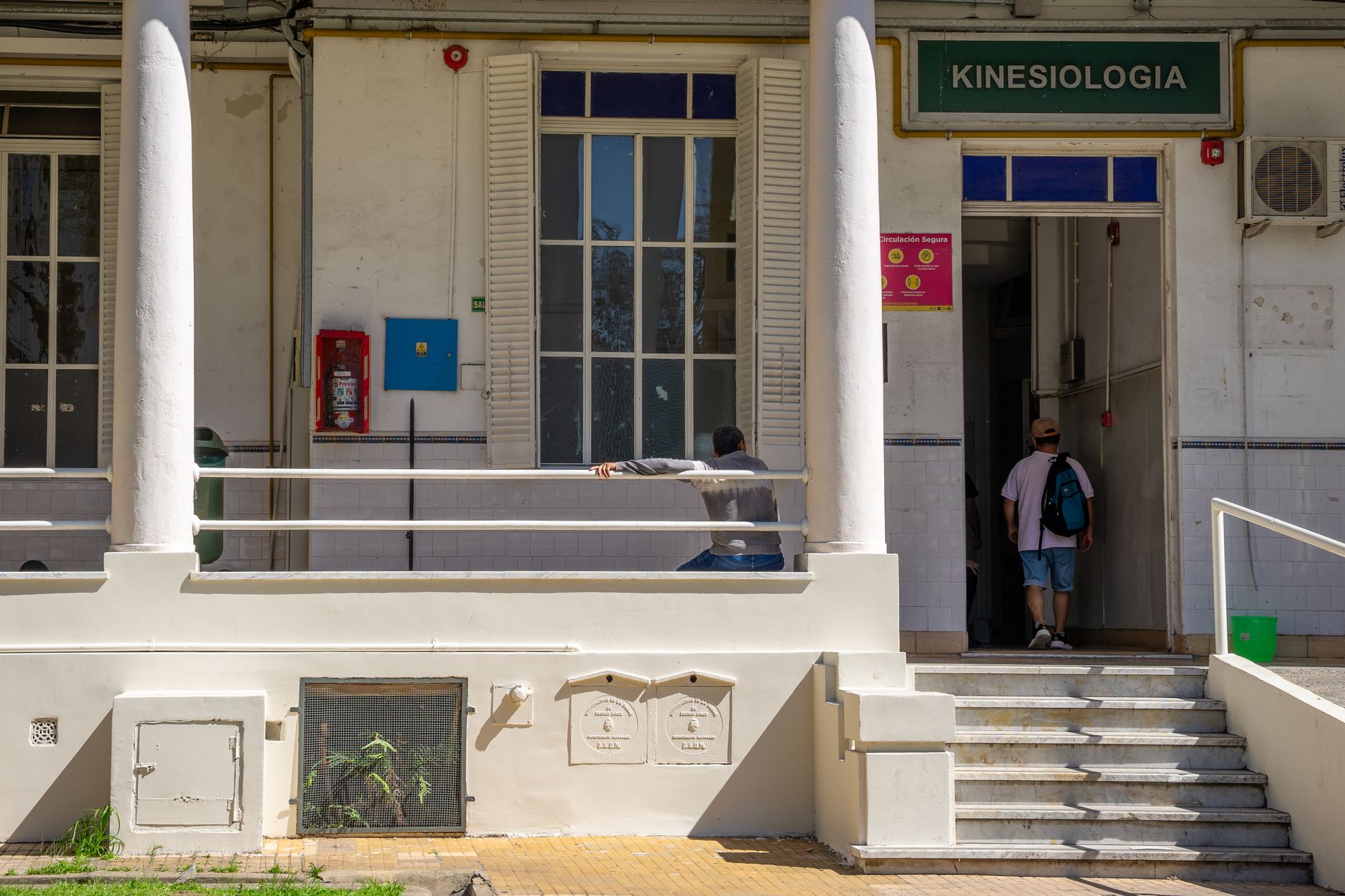
a multi-building community health campus in the Upper Midwest
How a Community Health Campus Reclaimed 20 Weekly Hours With Robotic Scrubbers
Upper Midwest community health case: two autonomous scrubbers, 50% EVS productivity gain, ~20 weekly hours back, and 8–10 daily robot hours on long clinic corridors.
- 50%
- Productivity
- 20 hr
- Weekly time
- 8-10 hr
- Daily robot
- 2 units
- Scrubbers
Based on a documented real-world deployment. Figures are from public reporting; the organization is not named.
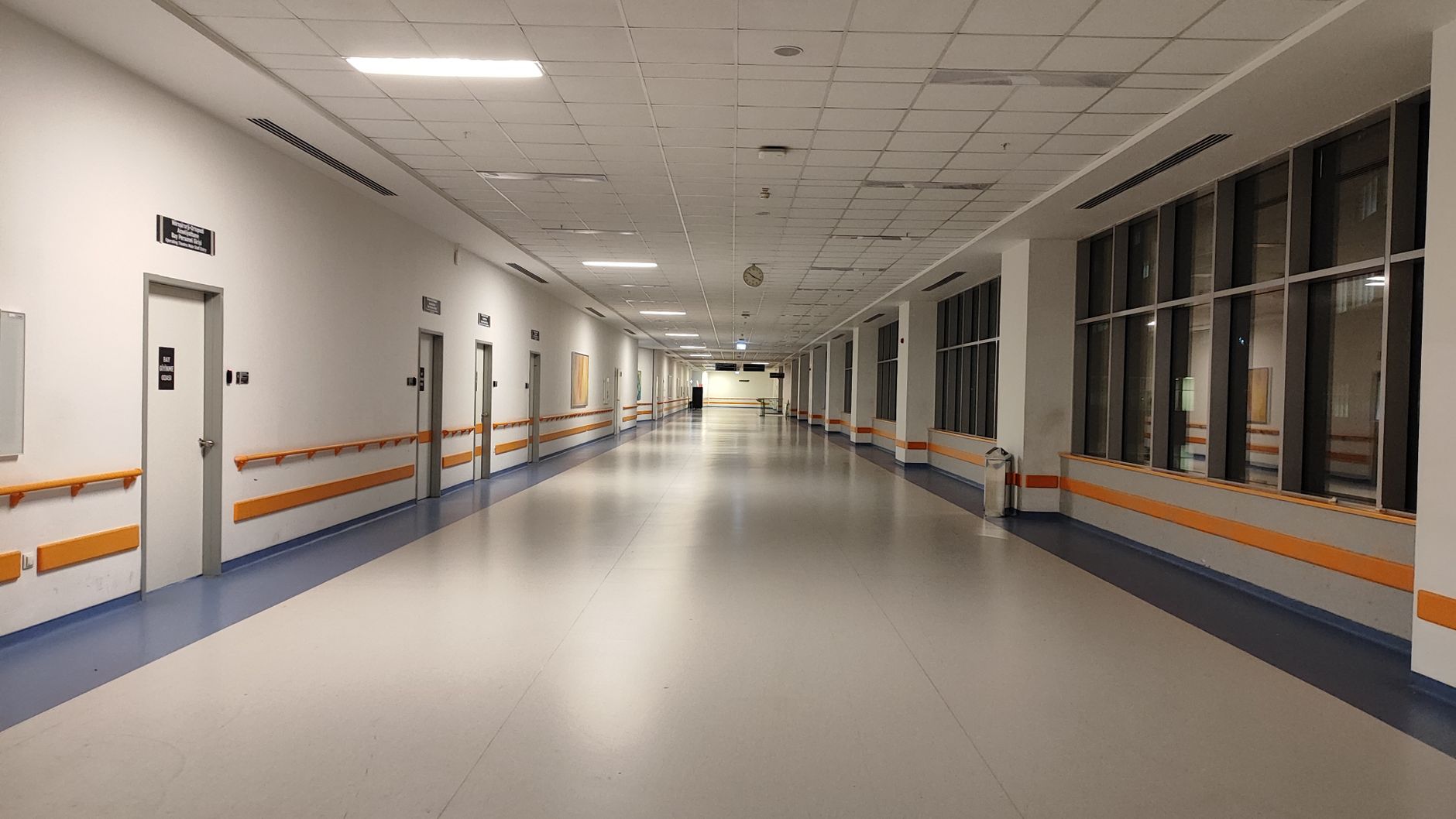
Open roles and long clinic corridors
A multi-building community health campus in the Upper Midwest could not fill an environmental services floor-tech opening for six to eight months and had been short a full-time tech for years. Clinic, inpatient, and support corridors still needed daily scrubbing while managers juggled other departments.
One ceramic-tile clinic hallway alone spans about eight thousand square feet and was split into three timed routes on first shift. Manual scrubbing pulled technicians away from vents, elevator tracks, and other detail work that only happens weekly or monthly.
- Long unfilled floor-tech position on a busy campus
- Eight-thousand-square-foot clinic corridor on a three-route schedule
- Detail tasks deferred when scrubbing ate the shift
Two autonomous scrubbers on split routes
Leadership added two autonomous floor scrubbers and named site champions to run daily routes, charging, and basic maintenance. Technicians start a route, return to office work, and swap the unit to the next segment on a forty-five-minute cadence through the long clinic hallway.
Published reporting describes eight to ten hours of autonomous scrubbing per day across the campus while humans focus on higher-touch cleaning and cross-department support.
- Train automation champions for daily starts and upkeep
- Break the long clinic zone into three autonomous segments
- Run scrubbers through both day parts where shifts overlap
- Track square footage cleaned against housekeeping benchmarks
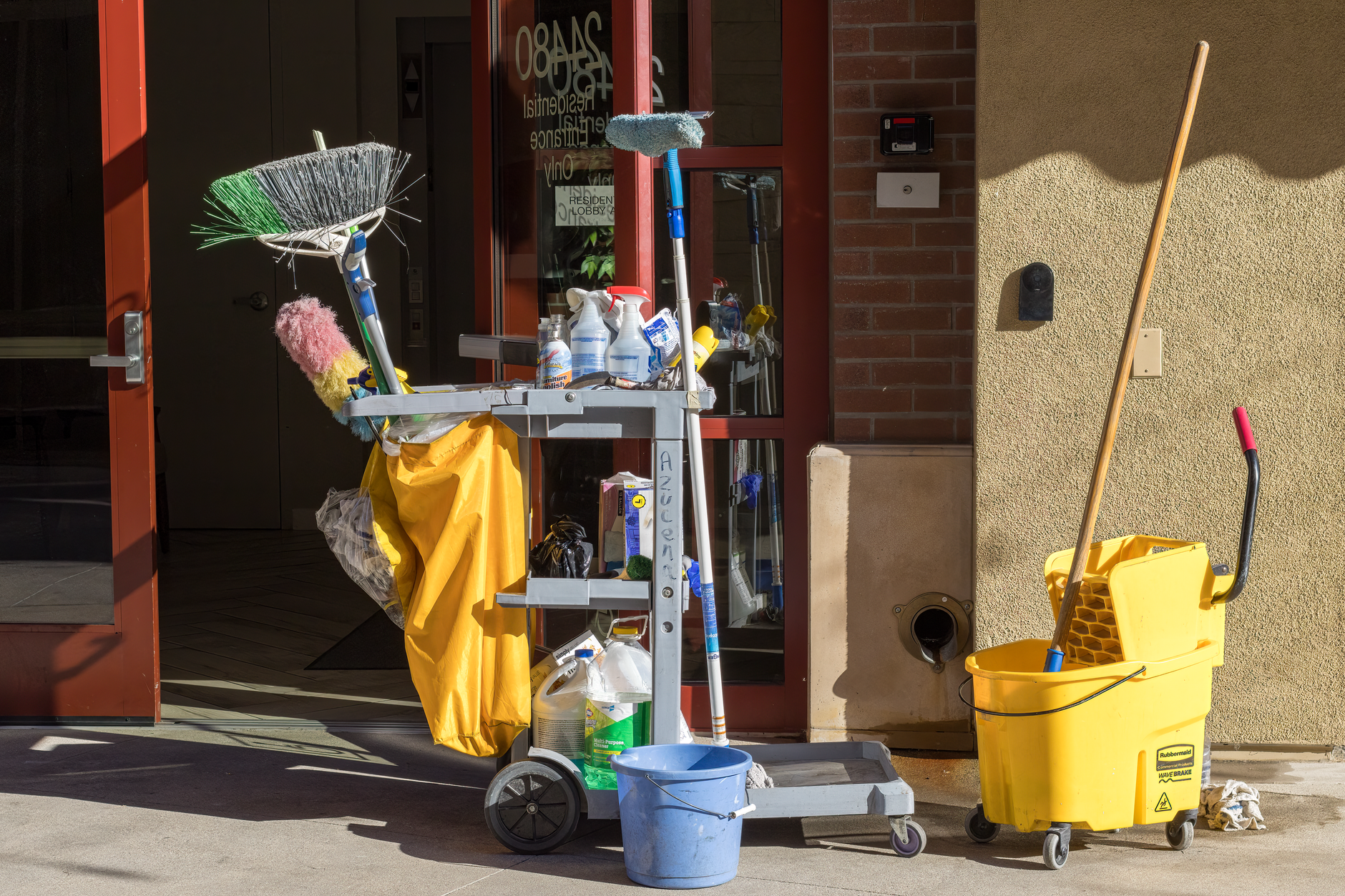
Measured productivity and time returned
After deployment, published reporting cites about fifty percent higher cleaning productivity across the campus. Managers estimate roughly twenty hours returned to the team each week, with morale improving as repetitive scrubbing moves off human shoulders.
Technicians report effectively doubling the common fifteen-hundred-square-foot-per-hour housekeeping benchmark on monitored routes, which frees time for monthly dusting and vent work that used to wait weeks.
What this means for your facility
This anonymized example shows how a community health site can backfill a missing floor-tech slot without lowering corridor standards. Service Robot Co. did not run this campus. We help US operators compare OEM-neutral autonomous scrubbers, set up commercial cleaning robot rental or robot leasing for business with maintenance included, map routes, train champions, and service units nationwide.
If you have one corridor that eats forty-five-minute blocks all morning, pilot one segmented autonomous loop, log hours returned for four weeks, then expand financing only after productivity and patient-area cleanliness hold steady.