
a multinational consumer-goods manufacturer
Cobot Palletizers on a Consumer-Goods Line: A Lease Deployment Case Study
A multinational consumer-goods manufacturer put cobot palletizers on its lines. See how the deployment ran, what changed, and how a US plant can lease one.
Deployment at a glance
- Cobot
- Collaborative arm stacking cases at the end of the line
- Vacuum
- Grippers lifting cases for palletizing
- Flexible
- Stacking programs covering several box sizes and patterns
Based on a documented real-world deployment. Figures are from public reporting; the organization is not named.
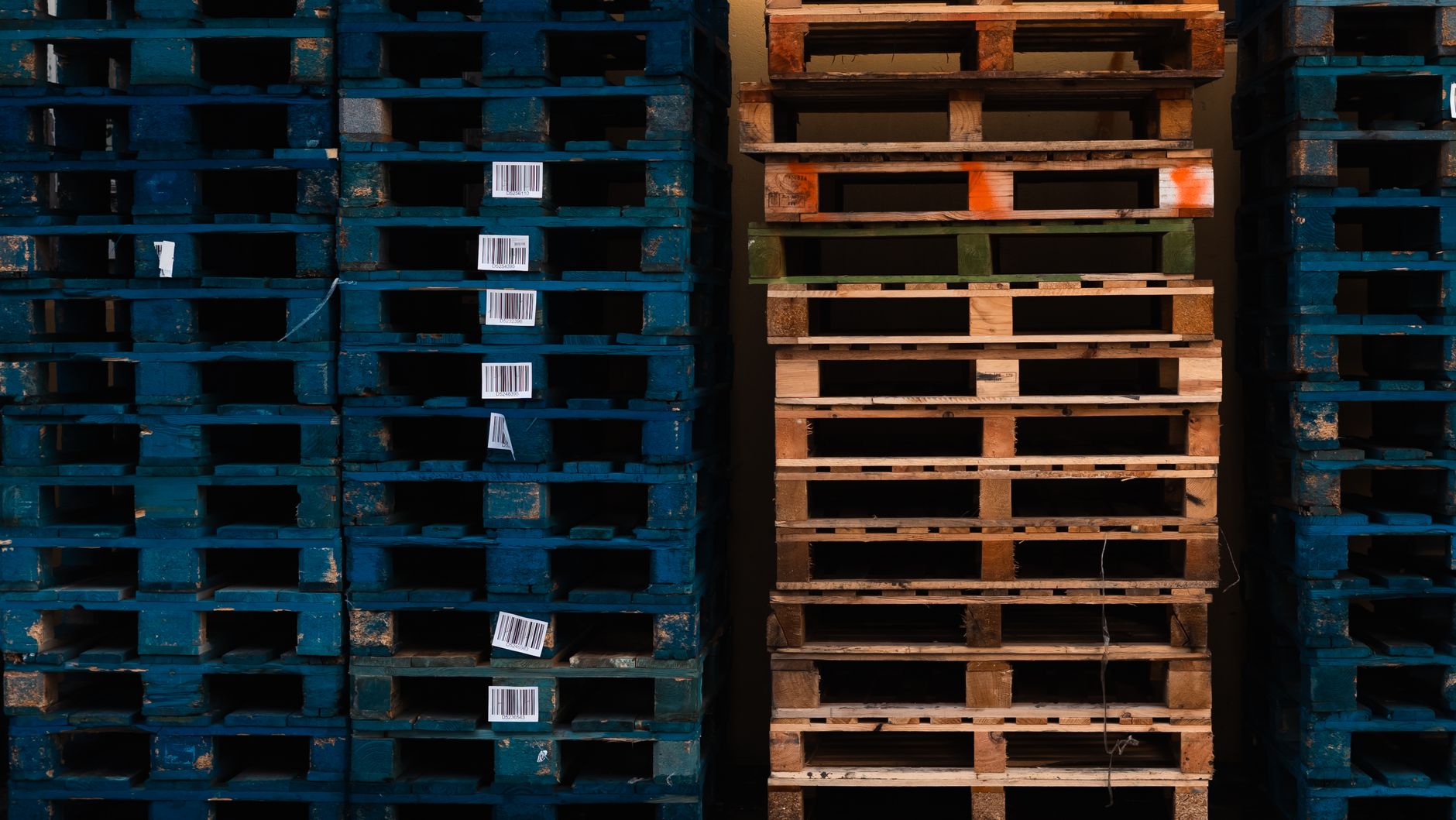
The Palletizing Bottleneck at the End of the Line
At the end of a consumer-goods line, finished cases arrive in a steady stream and must be stacked onto pallets before they can be wrapped and shipped. For a multinational consumer-goods manufacturer, that stacking step was repetitive and physically demanding, the kind of work that wears on people across a long shift.
The plant wanted that work off its people without giving up the flexibility a consumer-goods operation depends on. Box sizes change with the product mix, and stacking patterns change with the load. A cell built around a single pattern gets reprogrammed or bypassed the first time the mix shifts.
- Repetitive lifting at the end of the line
- Box sizes and stacking patterns that change with the product mix
- Pressure to keep packaging moving through every shift
How Collaborative Palletizers Were Brought In
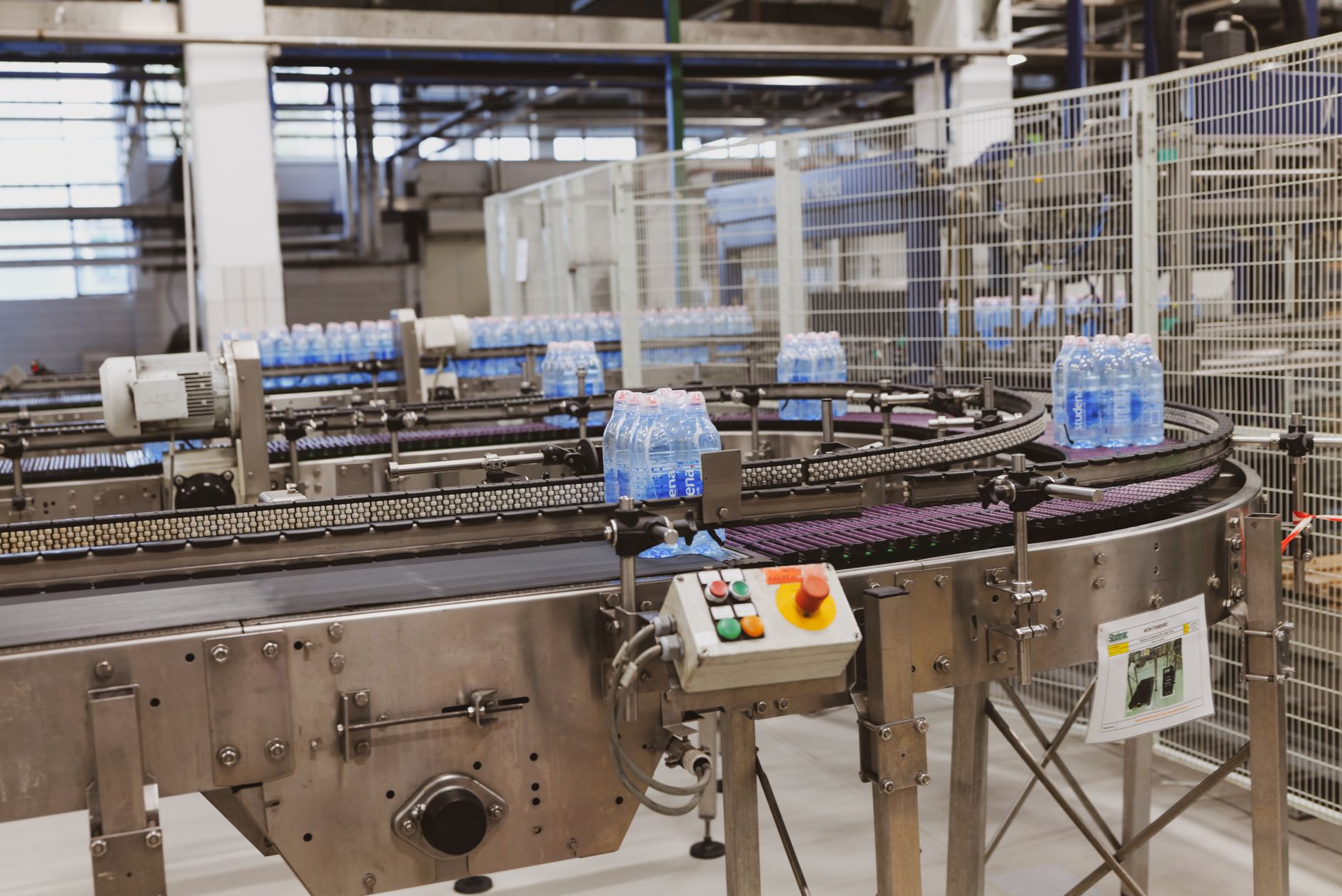
The manufacturer chose collaborative robot arms over conventional palletizing robots and placed cobots at the end of its production lines. Each arm was fitted with vacuum grippers to lift cases, and its stacking routines were programmed so one cell could handle different box sizes and stacking patterns rather than a single product.
The project was framed around three goals: easy deployment, flexibility and a quicker return on investment. Those goals shaped the choices above, from a cobot that could share floor space with staff to programming that could be changed without rebuilding the cell.
- Choose a collaborative arm suited to palletizing
- Fit vacuum grippers for case handling
- Program stacking routines for multiple box sizes and patterns
- Install at the end of the line with staff trained on the cell
What Changed on the Line
The most visible change was in the palletizing step. Stacking moved from manual work to the cobot cells at the end of the line, which was the core aim of the project.
Ergonomics came along with it. Taking repetitive lifting out of the stacking step is the kind of change that shows up across a full shift, in the physical load staff carry through it.
A plant weighing this step should measure its own figures, including cases per shift, the staffing hours tied to palletizing and the payback it can expect, because those depend on line speed, case size and how the cell is run.
Where a Lease Fits a Palletizing Plan
Service Robot Co. is a full-service, OEM-neutral commercial robot integrator for US businesses. We select the right robots across manufacturers, then finance, deploy, integrate, train and service every unit through a nationwide US engineer network, so a plant works with one partner and one number for the whole lifecycle.
We lease robots on a 3-year lease, with one fixed lease payment quoted after a site assessment. For a palletizing plant, that assessment maps the line, matches the cobot and gripper to the case sizes and stacking patterns, and sets the scope for training and go-live support. A pilot on one cell is often a sensible first step, since it lets a plant test fit before a wider robot lease program.
Frequently asked questions
Want a robot working for you?
Tell us the job and the site. We will recommend the robot, quote the lease, and keep it serviced.