
a global container refrigeration manufacturing site in Singapore
How a Container Refrigeration Plant Gained 8,000 Annual Productivity Hours With a Cobot
Singapore container refrigeration plant: compact cobot attaches access doors in tight cells, citing 8,000+ annualized productivity hours gained.
- 8,000+
- Annual hours
- 0.5 day
- Deploy time
- 35 kg
- Payload class
- 3%
- Std hours gain
Based on a documented real-world deployment. Figures are from public reporting; the organization is not named.
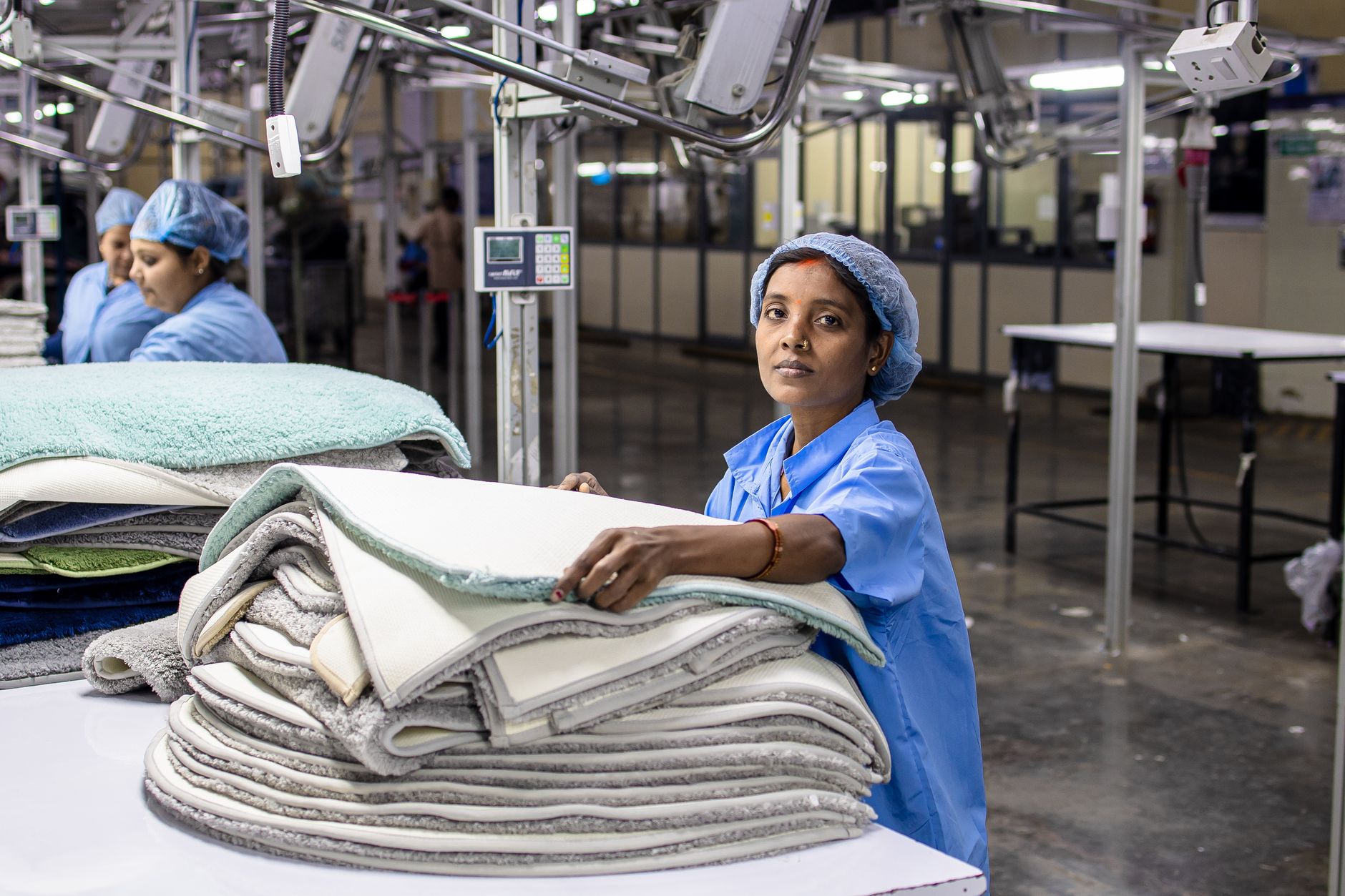
Tight cells blocked traditional guarding
This container refrigeration factory needed human inspection beside assembly work in space too tight for full safety fencing. Access-door attachment was repetitive yet had to stay precise on large refrigeration units moving through the line.
Leadership wanted productivity back without redesigning the whole cell or stopping production for a long integration project. The constraint was physical: any robot had to fit the existing footprint and still meet safety expectations near operators.
- Attach access doors without expanding the cell
- Keep humans nearby for inspection tasks
- Avoid lengthy fencing and stop-time installs
- Recover hours from repetitive fastening work
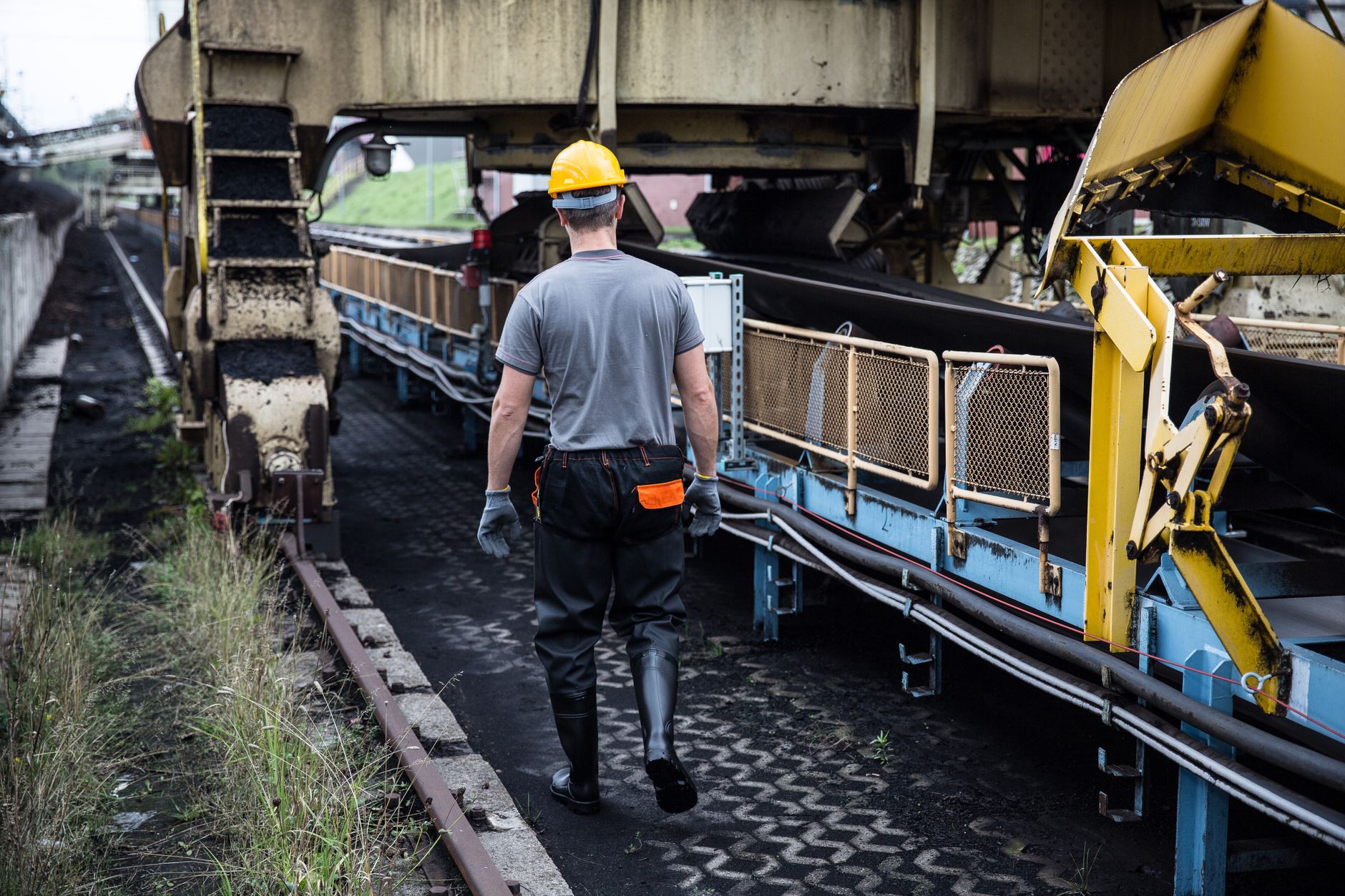
Compact cobot with touch-sensitive safety
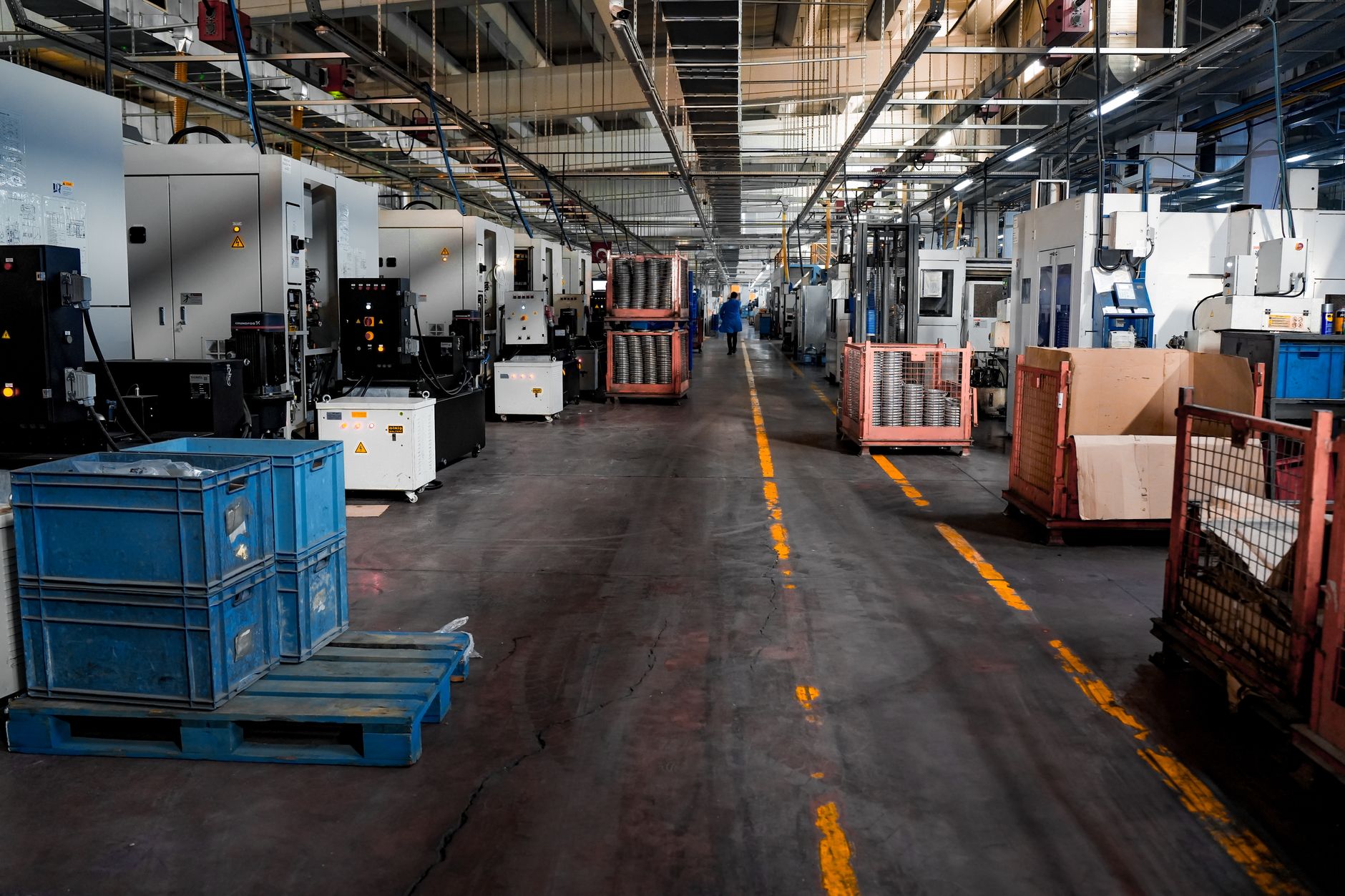
The documented rollout used a compact six-axis cobot with a 35-kilogram payload class to assist access-door attachment on refrigeration units. Touch-sensitive safety skin let the unit work closer to people without the full fence line that had been ruled out by layout.
Published reporting says implementation took about half a day, limiting disruption on an active factory floor. The cobot took over the repetitive fastening motion while workers shifted to tasks that still needed judgment and inspection.
Broader factory initiatives cited alongside the cell included incremental gains in manufacturing standard hours, RFID inventory tracking, and first-pass yield feedback. The cobot story stands on the documented hour gain rather than those adjacent programs.
- Match reach and payload to door hardware and unit size
- Validate touch-sensitive safety in the real aisle width
- Commission programs in a single shift where possible
- Keep inspection and exception handling with staff
- Track annualized hours against the pre-cobot baseline
Documented productivity hours returned
The IFR case study credits more than 8,000 annualized productivity hours to the cobot program at the Singapore site. That figure reflects sustained assist time on access-door work rather than a one-week pilot spike.
The same source notes about a 3 percent incremental gain in manufacturing standard hours from wider factory programs, and a 10 percent output increase tied to capacity expansion. Treat those plant-level figures as context; the cobot metric is the annualized hour gain.
Operators gained time for more complex work while the cell kept door attachment consistent shift to shift.
What US manufacturers can borrow
This is a documented deployment analyzed by Service Robot Co., not a claimed client win. The pattern fits appliance and equipment plants where a single repetitive fastening step blocks floor space for traditional guarding.
Service Robot Co. stays OEM-neutral, models reach and safety before buy or lease financing, trains leads on handoffs, and services cells under RoboCare nationwide. A free site assessment checks whether a collaborative assembly robot fits your aisle width and inspection workflow.