a regional convenience store operator in the upper Midwest
How a Convenience Store Operator Saved Up to Four Hours Daily With Scrubbers
Convenience retail case: autonomous scrubbers save two to four hours daily per store, keeping floors clean through staffing gaps and busy shifts.
- 2-4 hr
- Daily saved
- 24/7
- Store hours
- 1
- Scrubber
- Easy
- To run
Based on a documented real-world deployment. Figures are from public reporting; the organization is not named.
Turnover and absences on busy floors
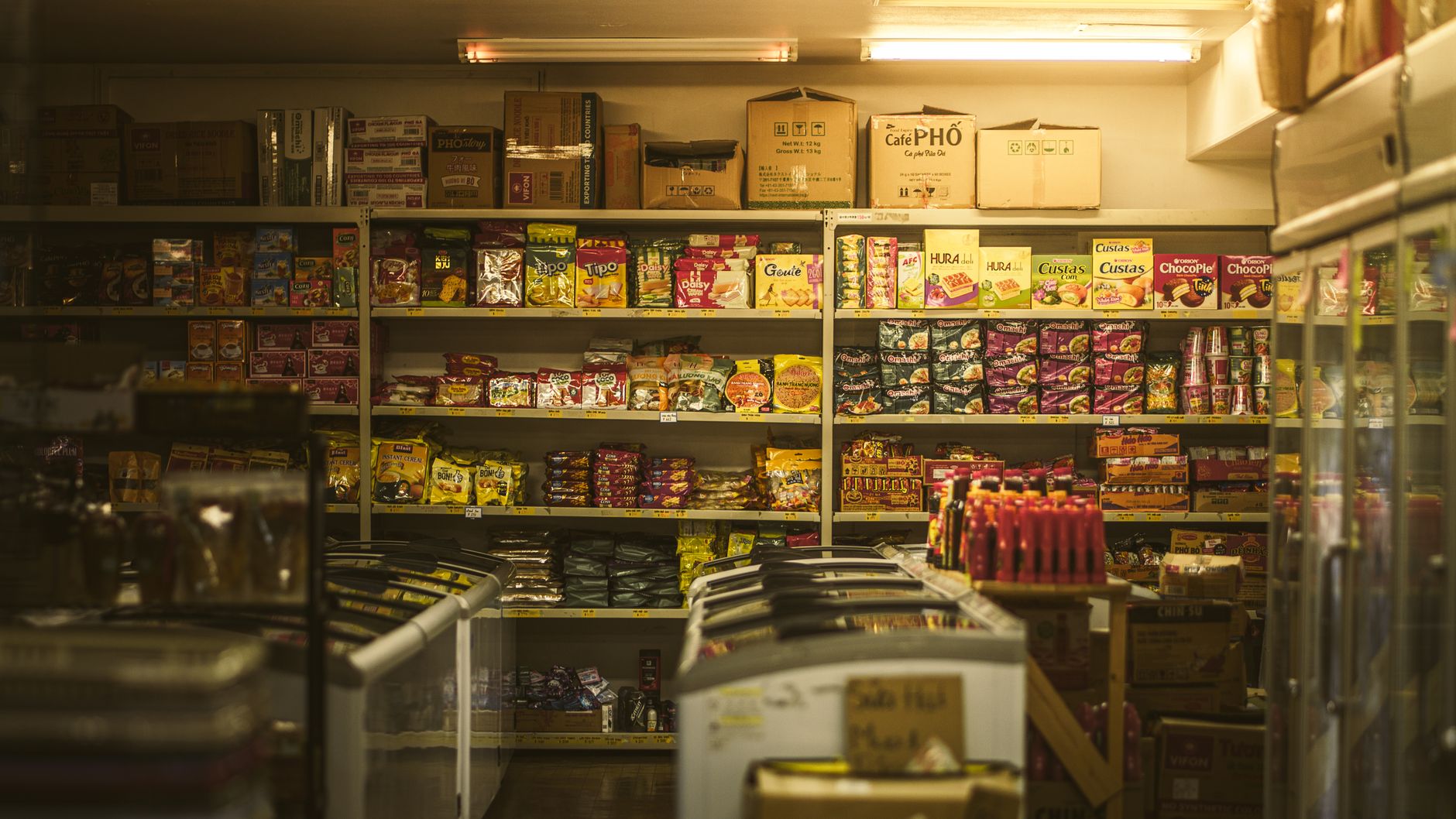
A regional convenience store operator in the upper Midwest runs high-traffic locations where associates bounce between registers, coolers, and cleanup tasks. Turnover and call-offs left floor scrubbing unfinished on the busiest days.
Leadership needed a safe, clean sales floor without tying every spare hour to a mop bucket when customer service should come first.
- Labor shortages across C-store teams
- Floor care competing with guest service
- Unpredictable absences on tight shifts
Autonomous scrubbers added to daily closes
The operator deployed compact autonomous floor scrubbers from the robot supplier to handle repetitive scrub passes while staff stayed on guest-facing work. Routes were mapped for aisles and cooler fronts, with quick training so any associate could start a cycle.
Maintenance stayed simple: wheel the unit to the back sink, empty dirty water, refill solution, and plug in for the next route. Leadership tracked time savings store by store as rollouts expanded.
- Map scrub routes for sales and cooler aisles
- Train all shifts on start, stop, and basic care
- Run cycles during closes and between rushes
- Review time logs weekly before adding stores
Measured hours back for customer work
Published reporting cites two to four hours saved daily for team members depending on store size once autonomous scrubbing shared the workload. Operators noted floors still completed when unexpected absences hit because the scrubber could run without pulling someone off the register.
Ease of use was a deciding factor: associates described minimal maintenance time and straightforward daily care at the back sink compared with traditional mop workflows.
What this means for US convenience and travel retail
This anonymized example shows how a C-store or travel stop can keep floors presentable when staffing wobbles. Service Robot Co. did not run this chain. We help US operators compare OEM-neutral autonomous scrubbers, finance buy or lease programs, map tight aisles, and service units nationwide.
If your stores lose two hours a night to scrubbing, pilot one location, log associate minutes for a month, then scale only after routes survive a holiday weekend rush.