
a municipal nursing home and short-stay care housing campus in Denmark running linen, waste, and supply transport workflows
How a Danish Care Campus Saved 40 Kilometers Monthly With a Mobile Robot
A Danish municipal care pilot reported up to 40 kilometers of staff transport saved monthly on linen and waste runs, plus higher daily robot use after workflow tuning.
- 40 km
- monthly transport saved
- 1.15 km
- per shift potential
- 1 to 5
- daily uses per shift
- 7 mo
- pilot length
Based on a documented real-world deployment. Figures are from public reporting; the organization is not named.
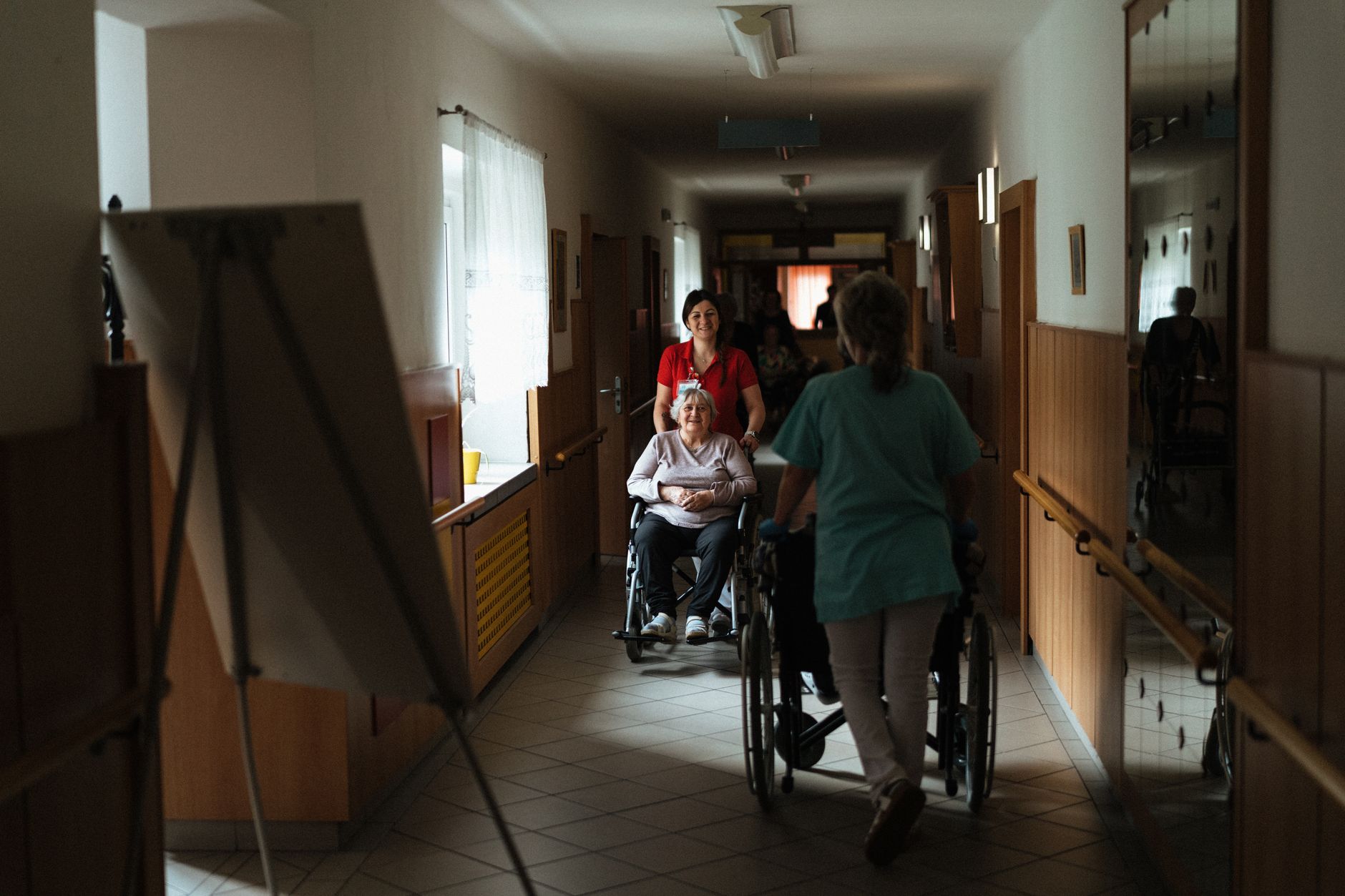
Transport loops pulled staff away from residents
A municipal nursing home and short-stay care housing campus in Denmark running linen, waste, and supply transport workflows needed caregivers at the bedside, not in the corridor. Teams made repeated trips hauling soiled linen, waste, and depot goods between buildings across morning and evening shifts.
At one site, staff often made four to six depot runs per shift before automation support. At another, low daily robot use showed the first workflow mapping did not yet match how nurses actually moved through the day.
- Linen and waste runs consumed time on every shift
- Depot deliveries interrupted continuity at temporary housing units
- Early robot workflows did not match real handoffs

A mobile Buddy robot took over repeatable corridor runs

Allerød Kommune ran a seven-month evaluation from May through November 2024, with baseline months followed by a three-month active test of the mobile Buddy robot across two care sites. One workflow focused on soiled linen and waste at a nursing home; another focused on depot goods at temporary care housing.
Staff adapted how they called the robot, loaded carts, and released it on mapped indoor routes. At the temporary housing site, functional tuning raised typical daily robot uses from about one to five per shift once handoffs matched nurse routines.
- Baseline measurement before the three-month robot test window
- Separate workflows for linen and waste versus depot delivery
- Iterative tuning so staff could trigger the robot within real shifts
Published evaluation cites up to 40 kilometers saved monthly
The evaluation report states that at the nursing home site Buddy reduced transport needs significantly on morning and evening shifts, with up to 40 kilometers saved per month. The same source notes potential to save staff at least 1.15 kilometers per shift on those linen and waste routes.
At the temporary care housing site, adaptations increased Buddy use from one to five daily applications per shift. Staff reported the robot was most valuable when they had to remain with an individual resident and could not leave for a depot run.
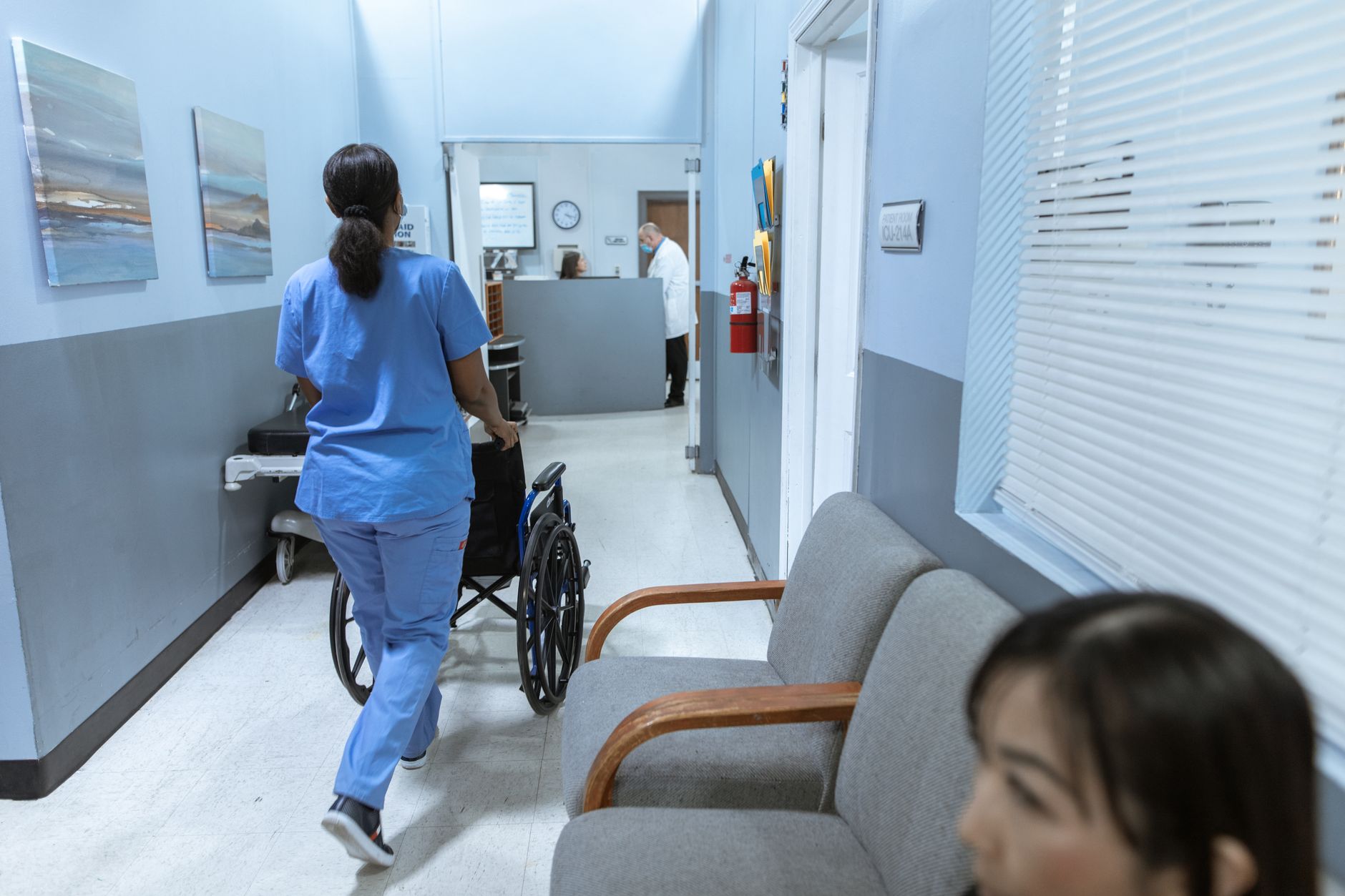
What US senior living and hospital campuses can mirror
This Danish municipal pilot is not a Service Robot Co. customer. It shows how a mobile transport robot earns time back when the work is repeatable indoor hauling, not clinical judgment.
US nursing homes, assisted living sites, and hospital support teams comparing commercial robot rental or lease paths can pilot one corridor workflow first, measure kilometers or trips removed, then expand. One integrator selects hardware, structures monthly payments, maps routes, trains staff on load and release, and supports the unit under RoboCare after go-live.
When early use stays at one run per shift, the lesson from Allerød is to tune workflows before buying more robots. Five daily uses per shift came after handoffs matched how nurses actually work.