
a Netherlands-based healthcare organization supporting elderly residents at a campus in Oosterhout
How a Dutch Elder-Care Campus Expects 80+ Monthly Cleaning Hours Back With a Scrubber Robot
Netherlands elder-care campus expects 80+ monthly cleaning hours back with a 24/7 autonomous scrubber so housekeeping can return time to resident care.
- 80+ hrs
- Monthly savings
- 24/7
- Scrub cycles
- Campus
- Oosterhout site
- Care
- Time redirected
Based on a documented real-world deployment. Figures are from public reporting; the organization is not named.
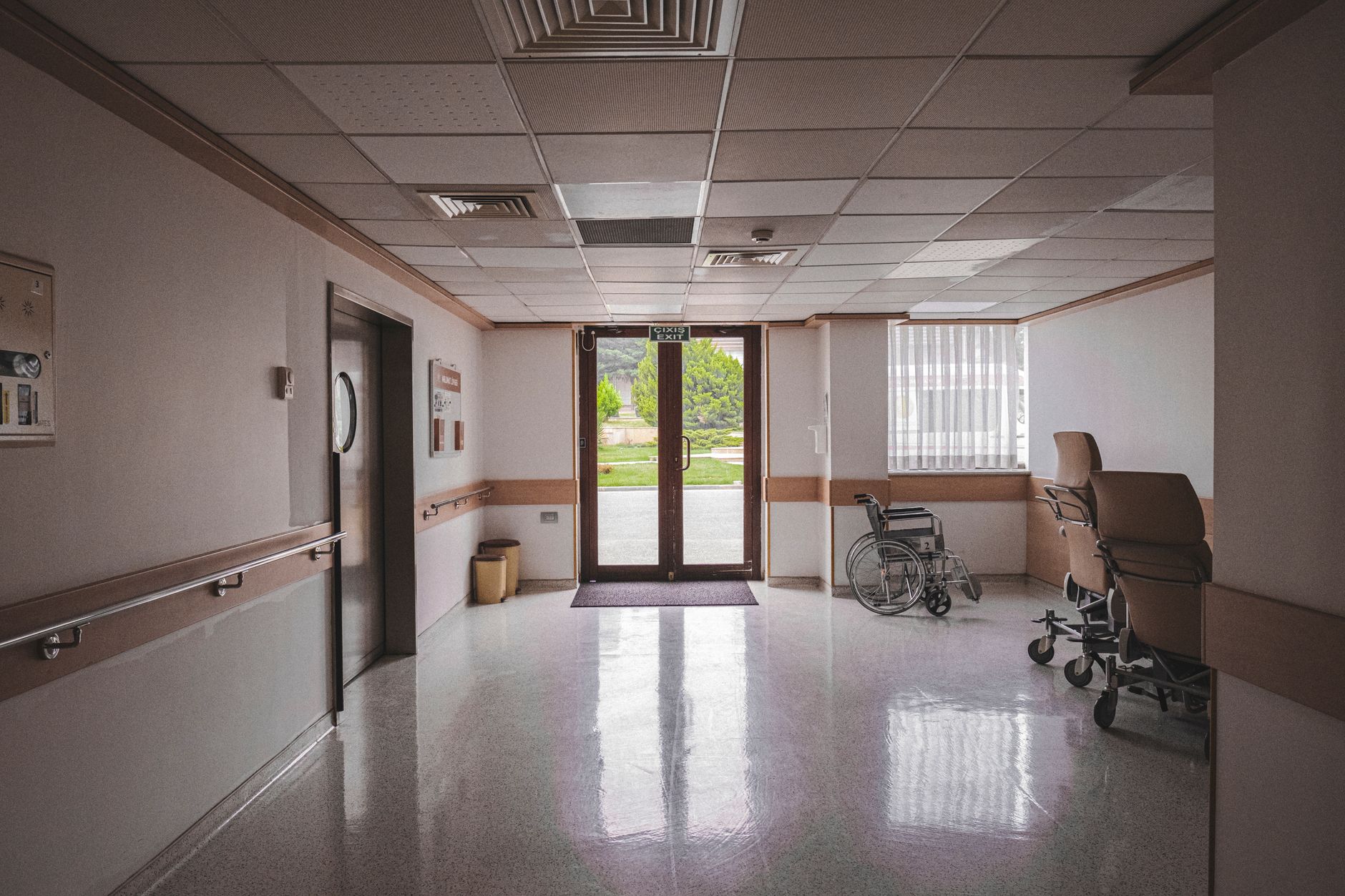
Cleaning loops competing with resident care
This Netherlands-based healthcare organization supports elderly residents at a campus in Oosterhout while the wider sector faces aging demand and thin staffing benches. Routine hard-floor scrubbing still has to happen, yet every hour on wide corridors is an hour not spent in living rooms or at resident touchpoints.
Leadership framed the problem as mission alignment, not just efficiency. If housekeeping stays on repetitive floor passes, personal care and well-being work loses the minutes that residents notice first.
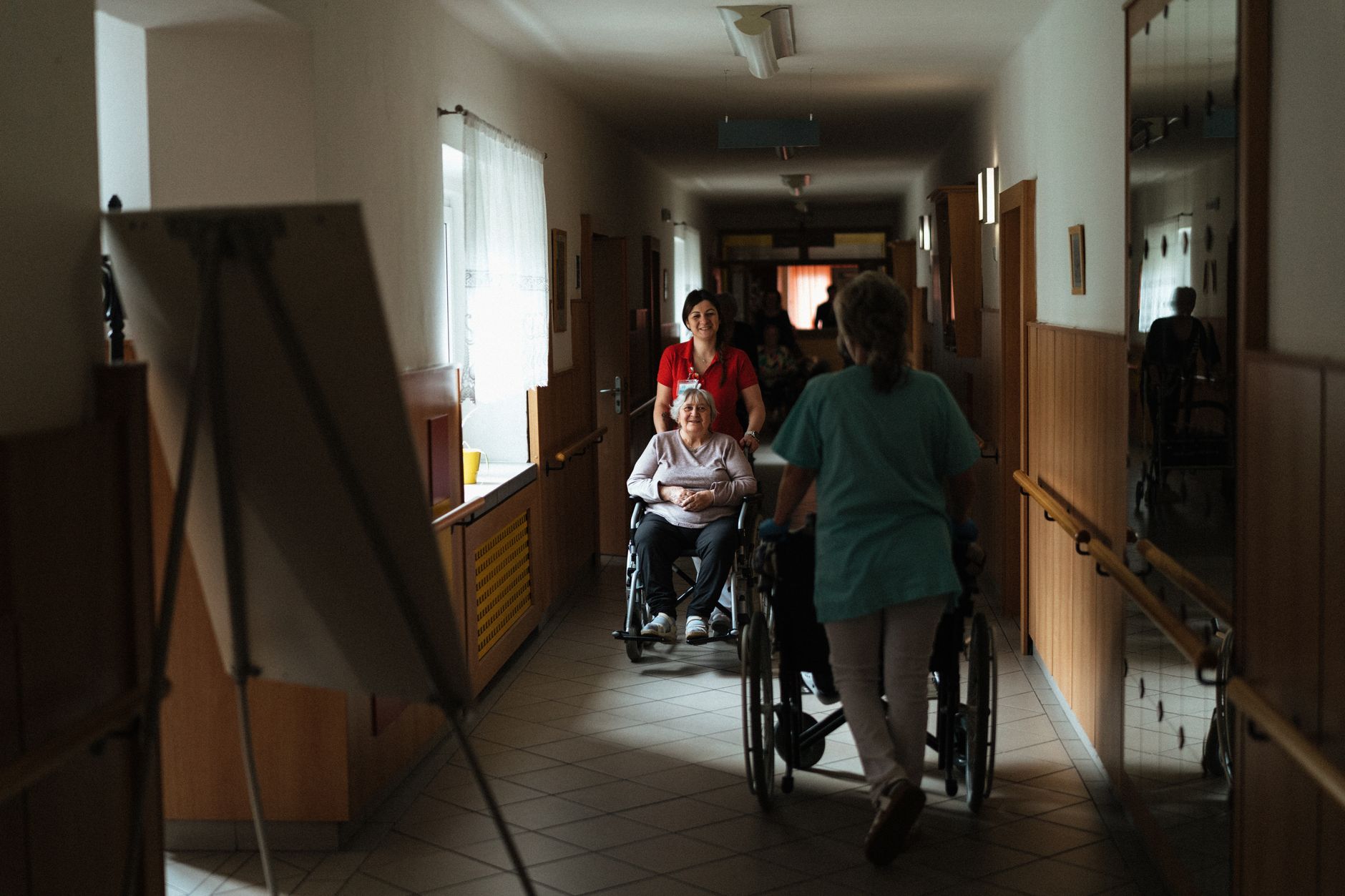
Demo, then structured autonomous routes

After seeing an autonomous scrubber-dryer at a healthcare technology trade event, the organization ran a demonstration and testing phase before adopting the unit on the Oosterhout campus. Operators evaluated coverage, scheduling, and how the machine behaved around daily care traffic.
The compact scrubber uses onboard sensing to follow mapped routes independently, including tighter corridors that are awkward with manual equipment. Once routes proved stable, the team moved from ad hoc runs to a structured schedule with clearer insight into how often each zone needed a pass.
- Trade-show discovery followed by an on-site demo
- Testing phase before structural deployment
- Mapped routes with recurring schedules by building zone
- Housekeeping trained to treat the unit as a coordinated teammate
- Communication plan so staff understood why automation was added
Expected hours back and more frequent floor care
Published reporting on this deployment expects more than 80 hours of cleaning time saved per month once the autonomous plan is fully utilized. That figure is framed as expected savings rather than a finalized audit, but it is the headline outcome the organization cites.
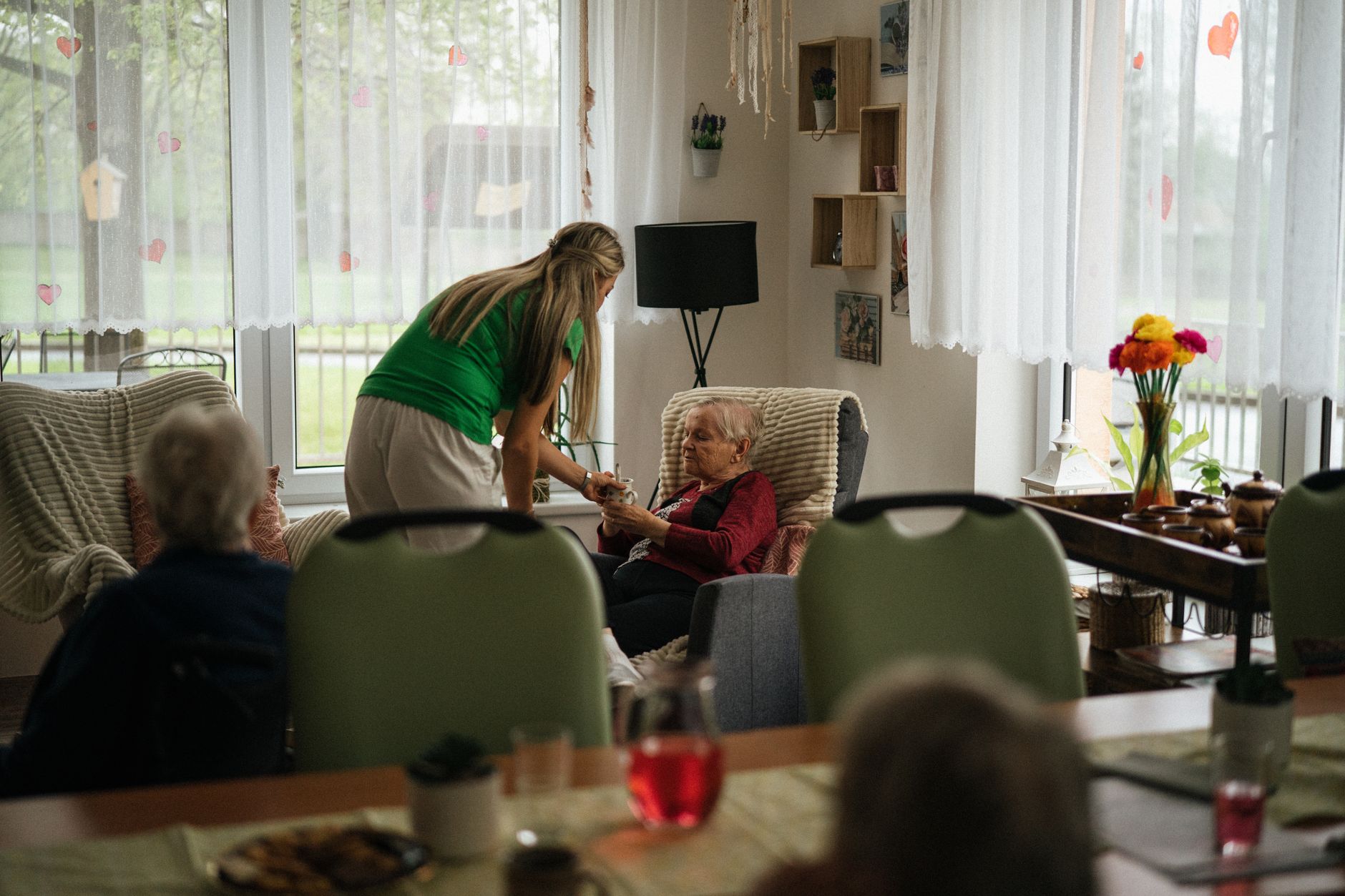
Because the scrubber can run around the clock, floors can be cleaned more often than a manual-only schedule allowed. Housekeeping leaders say time returned is intended for resident-facing care, such as living-room support and other tasks tied to the social care mandate.
Staff described the machine as a technical colleague that takes repetitive scrubbing while people handle exceptions and resident needs. Adoption required adjustment to an autonomous unit sharing hallways with care teams, which the organization addressed through coordination and clear handoffs.
What this means for your campus
This Oosterhout example shows how elder-care operators can pilot one autonomous scrubber, prove routes, then scale schedules without pretending robots replace caregivers. Service Robot Co. maps corridors and common areas, sets buy or lease financing, trains environmental services leads, and supports the fleet through regional engineers under RoboCare.
The integrator stays OEM-neutral, so the scrubber fits your doorway widths, resident traffic patterns, and night-time noise limits rather than a single manufacturer storyline. A free site assessment is the usual starting point before you commit to a lease or purchase.