
an 18-hole golf estate on river-clay turf in Gelderland, Netherlands
How a Dutch Golf Estate Mows 41 Hectares Three Times Weekly With Nine Robots
A Gelderland golf estate runs nine autonomous mowers across 41 hectares of fairways and rough on a three-times-weekly schedule after retiring four traditional machines.
- 41 ha
- Autonomous turf
- 9
- Robot fleet
- 3x/wk
- Mowing cadence
- 4
- Machines retired
Based on a documented real-world deployment. Figures are from public reporting; the organization is not named.
Fast turf on river clay outran the old fleet
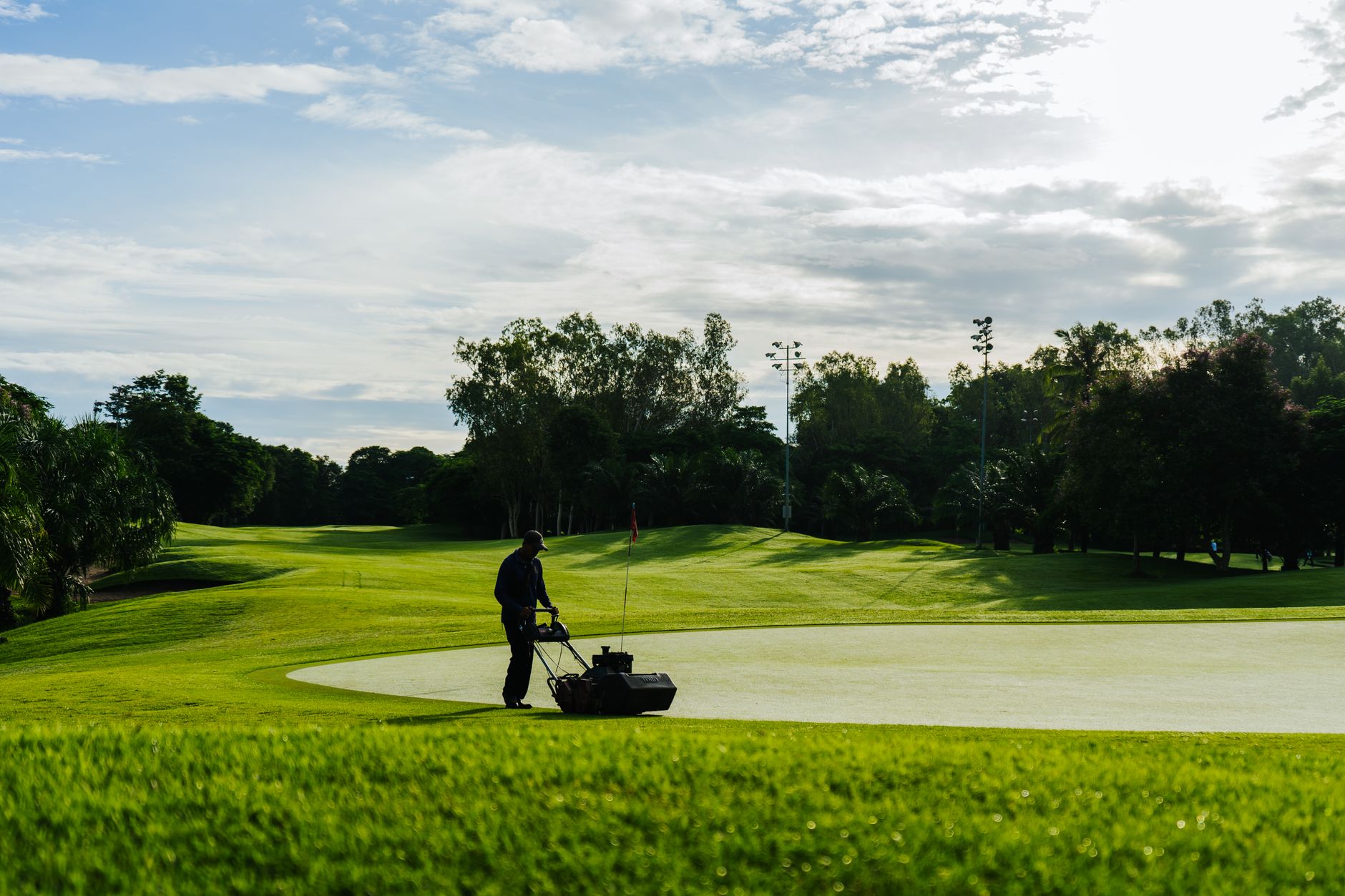
The estate sits on fertile river clay where a good rain can push grass faster than a fixed weekly mowing calendar can keep up. Fairways, roughs, and semi-roughs still had to look even for members, but width mowing tied up skilled greenkeepers on long seat-time loops.
Leadership had been running three reel mowers plus a large multi-unit rotary rig for the big open panels. A mechanic visited every week to service that diesel fleet. By the time fairways and rough were cut, there was little left in the week for bunkers, edges, and the presentation details players actually notice.
- River-clay growth spikes after storms
- Four traditional machines on width work
- Weekly off-site mechanic visits
- Detail work competed with mowing hours
Phased robots from fairways to full width
The team started with four autonomous units on fairways only, watched turf density and strip consistency, then added five more robots so fairways, roughs, and semi-roughs share the same program. Each unit is mapped to cover about five hectares per 48-hour cycle across the 41 hectares in the autonomous zone.
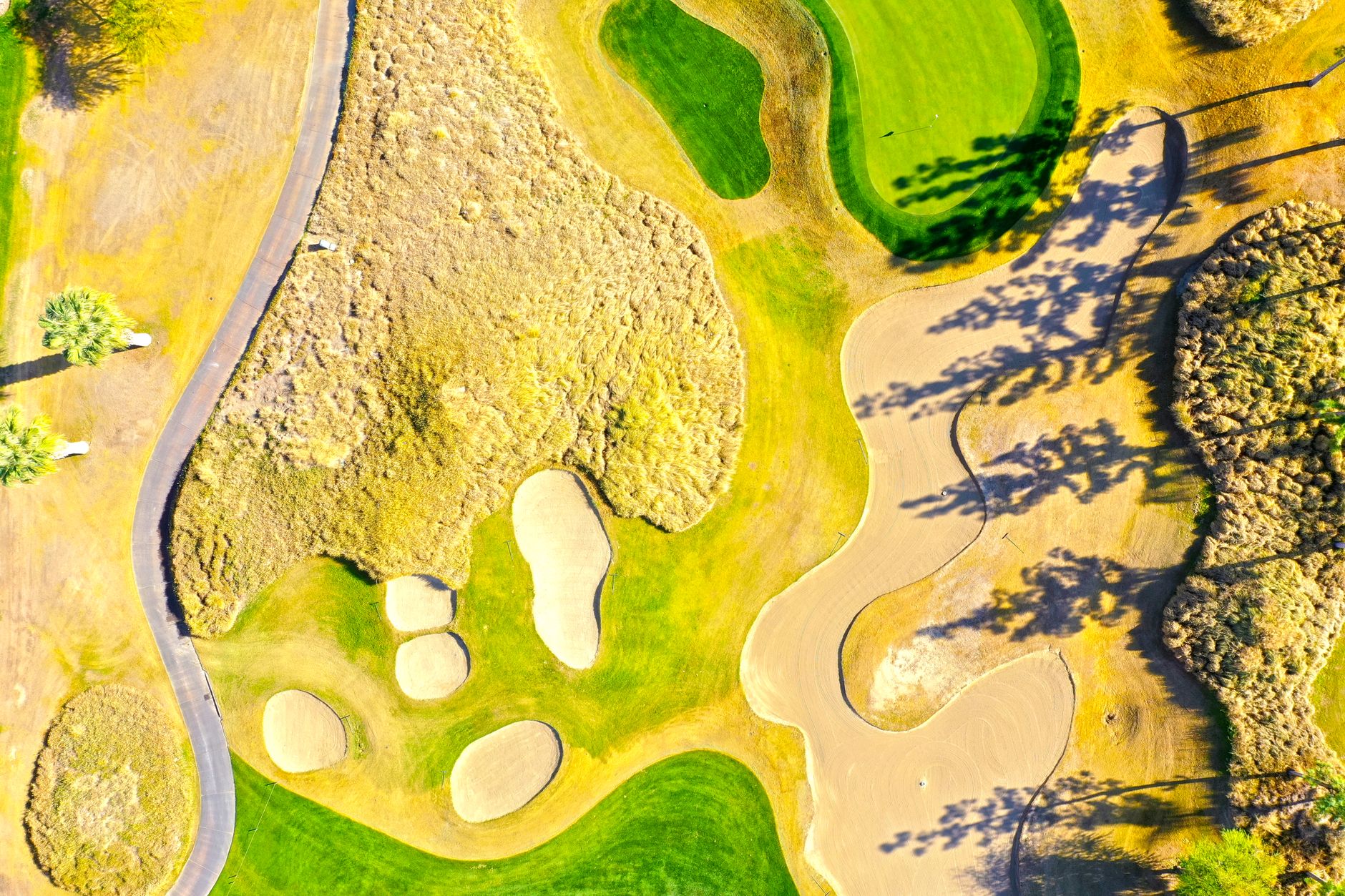
Cutting height stays between 10 and 60 millimeters, which suits fairways and rough but not greens, so hand work on greens and tight areas continues. One remote corner needed a dedicated charging station where grid power was not available, so the club planned solar supply for that post. A legacy mower stays for small pockets where radio coverage from the central antenna is weak through dense vegetation.
- Four robots on fairways first
- Five added for rough and semi-rough
- Mapped five-hectare cycles per unit
- Solar-backed charger in a remote corner
- Hold mower for low-signal pockets
Three weekly passes without adding drivers
The published schedule now cuts assigned turf three times per week, up from a rhythm where fairways could look longer by Sunday after mowing stopped on Friday afternoons. Players reported more consistent strips and tighter turf because small clippings return to the sward instead of heavy removals.
Operating costs fell versus the old reel-and-rotary mix, and seasonal robot care moved in-house: weekly cleaning, blade disk swaps about every two weeks, and monthly blade changes, with dealer service reserved for winter overhauls. Labor time that once sat on width mowing shifted into course presentation, which leadership ties to better rounds and repeat play even though they did not cut headcount on paper.
What a similar rollout looks like with Service Robot Co.

This estate is a documented European example, not a Service Robot Co. customer. It still shows the pattern US superintendents ask about: map fairways and rough, set a play-safe window, and let autonomous units own the wide panels while crews keep greens, tees, and bunkers.
Service Robot Co. stays OEM-neutral, helps pick the right commercial mower for your agronomy and acreage, then handles financing, site mapping, staff training, and ongoing service through a nationwide engineer network. A free site assessment is the usual starting point when you want to compare buy or lease paths without guessing runtime on your soil.