
a European sporting-goods retailer operating warehouse sites across seven European locations
Seven European Warehouses Report Doubled Output With Climbing Storage Robots
How a European sporting goods retailer's seven warehouse sites adopted climbing storage robots, and what reported doubled output means for operators.
Deployment at a glance
- 2x
- Warehouse output, reported as doubled
- 7
- European warehouse sites in the program
- 1
- Climbing storage robot category deployed
Based on a documented real-world deployment. Figures are from public reporting; the organization is not named.
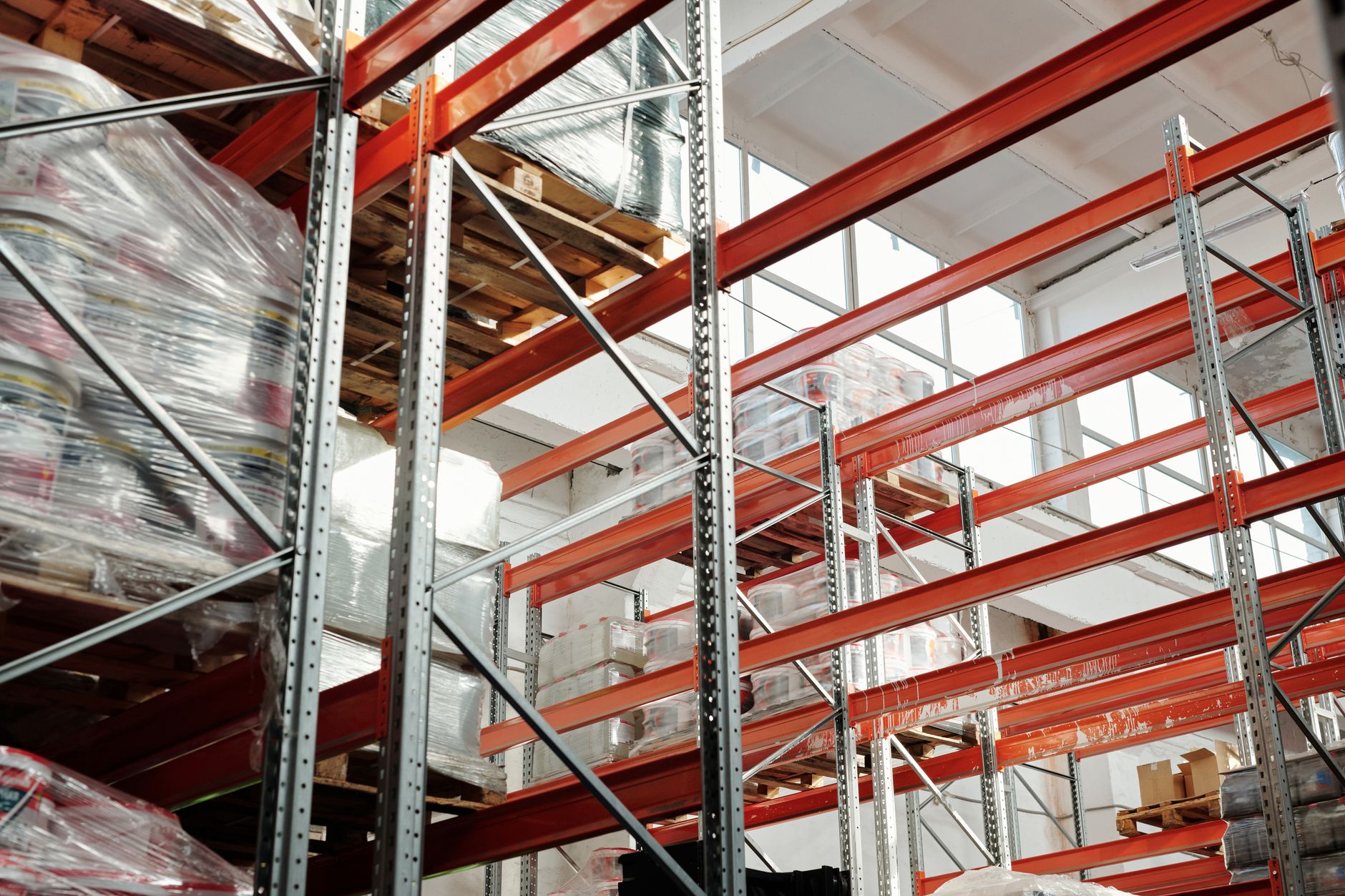
More output from the same warehouse footprint
Sporting goods demand rises and falls in waves, and a warehouse network feels every swing. Peaks arrive fast, the range keeps growing, and the same floor space has to absorb both.
Adding floor space is slow and expensive, so operators look first at how stock is stored and retrieved. Racks grow taller and denser, yet conventional handling often struggles to keep pace with a tall, tightly packed store of goods.
For a European retailer running warehouse sites across seven European locations, the question was how to lift output at each site without rebuilding each one from scratch.
One climbing robot system, repeated across seven sites
The deployment placed climbing storage robots into seven warehouse sites. These robots travel along the racks to store and retrieve goods, so the storage system and the robots that serve it are planned as one unit.
Repeating one configuration across sites is where a multi site program earns its keep. Each location runs the same equipment logic, so what the first rollout teaches carries straight into the next.
Rollouts of this kind usually follow a sequence like the one below.
- Map each site's racking, aisles and goods flow before any robot is committed.
- Integrate the system with the site's existing order and storage processes.
- Train site teams to supervise the fleet and handle exceptions.
- Bring each site live and keep engineering support in place after go live.
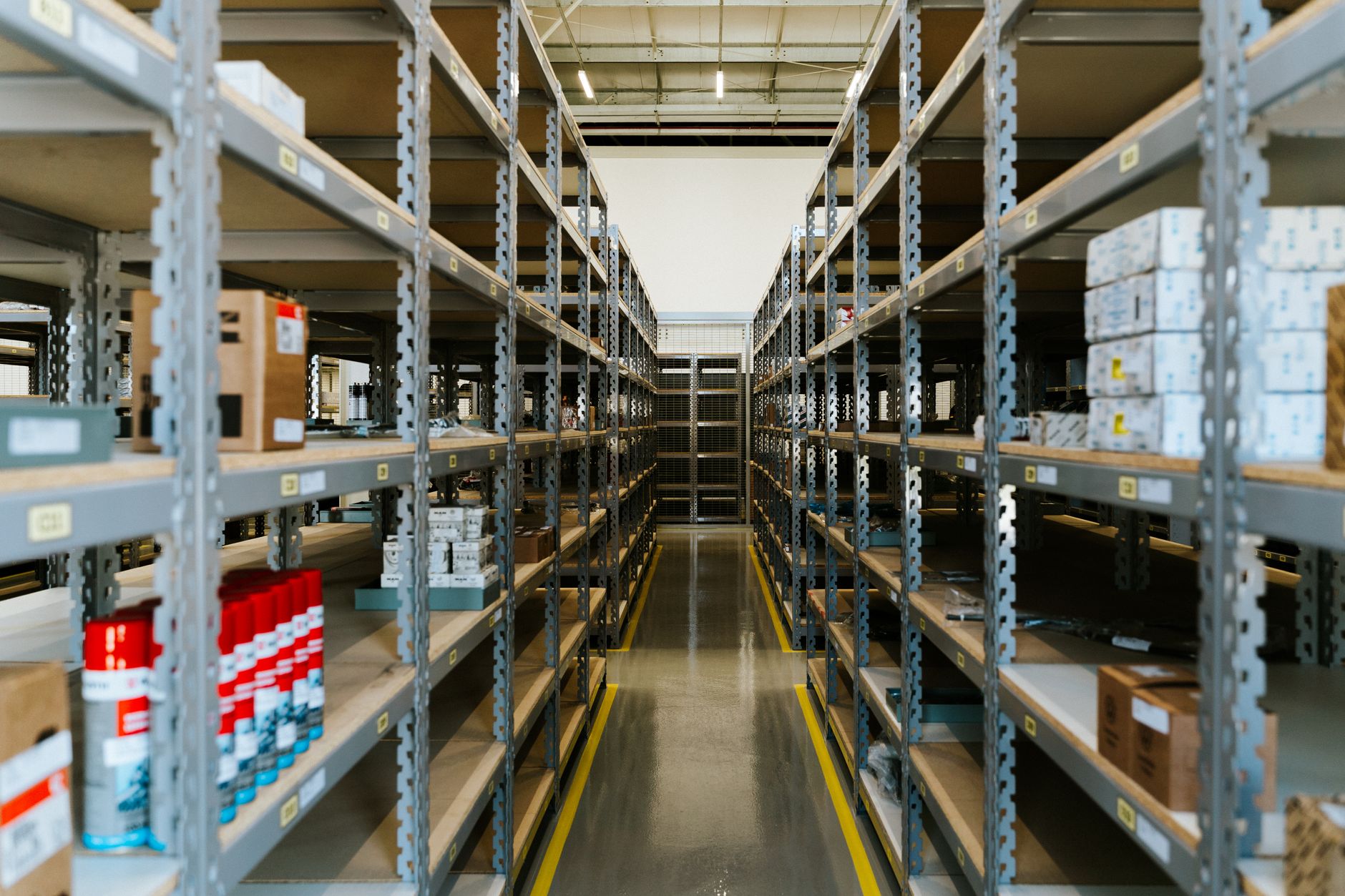
Reported output doubled across the network
The headline result is that warehouse output was reported to have doubled across the seven sites running the climbing storage robots.
Output is the measure that matters most to an operator sizing a network, because it shows what the same footprint can now move. A result like this is a reason to examine your numbers before and after a change, not a promise that every operation will see the same gain.
Anyone weighing a similar move should set up measurement before the first robot arrives, so the comparison is clean when the results come in.
What this means for US warehouses weighing climbing storage robots
This is a documented European deployment that we analyze. It is not a Service Robot Co. client, and we did not run these sites. What it lays out is the sequence a US warehouse needs: choose the right robot for the racks and the goods, then deploy and support it at every location.
Service Robot Co. is a full service, OEM neutral commercial robot integrator for US businesses. We select the right robots across manufacturers, then finance, deploy, integrate, train and service every unit through a nationwide US engineer network. One partner, one number, from site assessment through go live support.
We lease robots only, on a three year lease, with one fixed payment quoted after a site assessment. A warehouse can start with one leased unit, prove the workflow, and expand once the numbers justify it.
Frequently asked questions
Want a robot working for you?
Tell us the job and the site. We will recommend the robot, quote the lease, and keep it serviced.