an electronics manufacturing facility moving carts between warehouse and assembly areas
Manufacturing AMR Case Study: 20+ Technician Hours Reclaimed Weekly
An electronics manufacturing facility automated cart transfers and lifted material-handling productivity 30%, freeing 20+ technician hours each week.
- 30%
- material-handling productivity gain
- 20+ hrs
- technician time freed each week
- 100%
- cart transfers automated
- 0 changes
- layout changes required
Based on a documented real-world deployment. Figures are from public reporting; the organization is not named.
The operating constraint
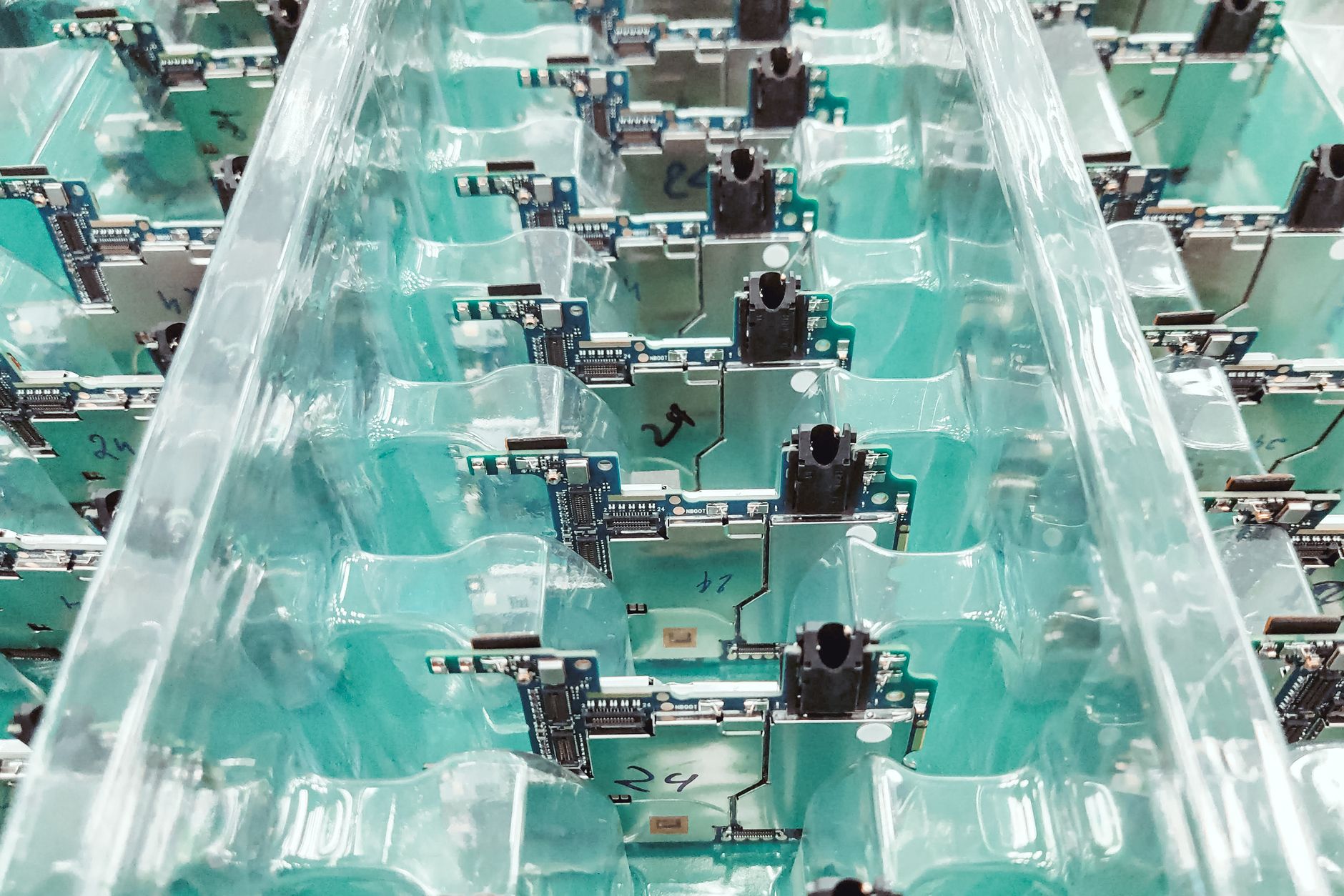
At an electronics manufacturing facility moving carts between warehouse and assembly areas, line-side delivery had become too dependent on manual cart runs. Technicians were repeatedly pulled off assembly and testing to shuttle parts between storage, workstations, and the line.
That kind of internal transport work looks minor until it stacks up across shifts. Delivery timing gets uneven, skilled labor gets diluted, and the plant starts feeling headcount pressure even when the real bottleneck is repetitive transport.
The facility wanted steadier material flow, but it did not want to add headcount or rework the building. The brief was tighter than that. Keep the existing layout, fit the robot into live production, and make cart movement predictable.
- Manual cart transfers were interrupting assembly and testing work
- Material delivery timing was inconsistent
- The facility wanted improvement without headcount growth
- The deployment had to work inside the existing layout
How the robot was introduced
The facility introduced an autonomous mobile robot for repetitive transport automation, focused on one job first: moving carts between warehouse and assembly areas without manual intervention. That narrow scope matters. It gave the team a clean operations target instead of a vague automation mandate.
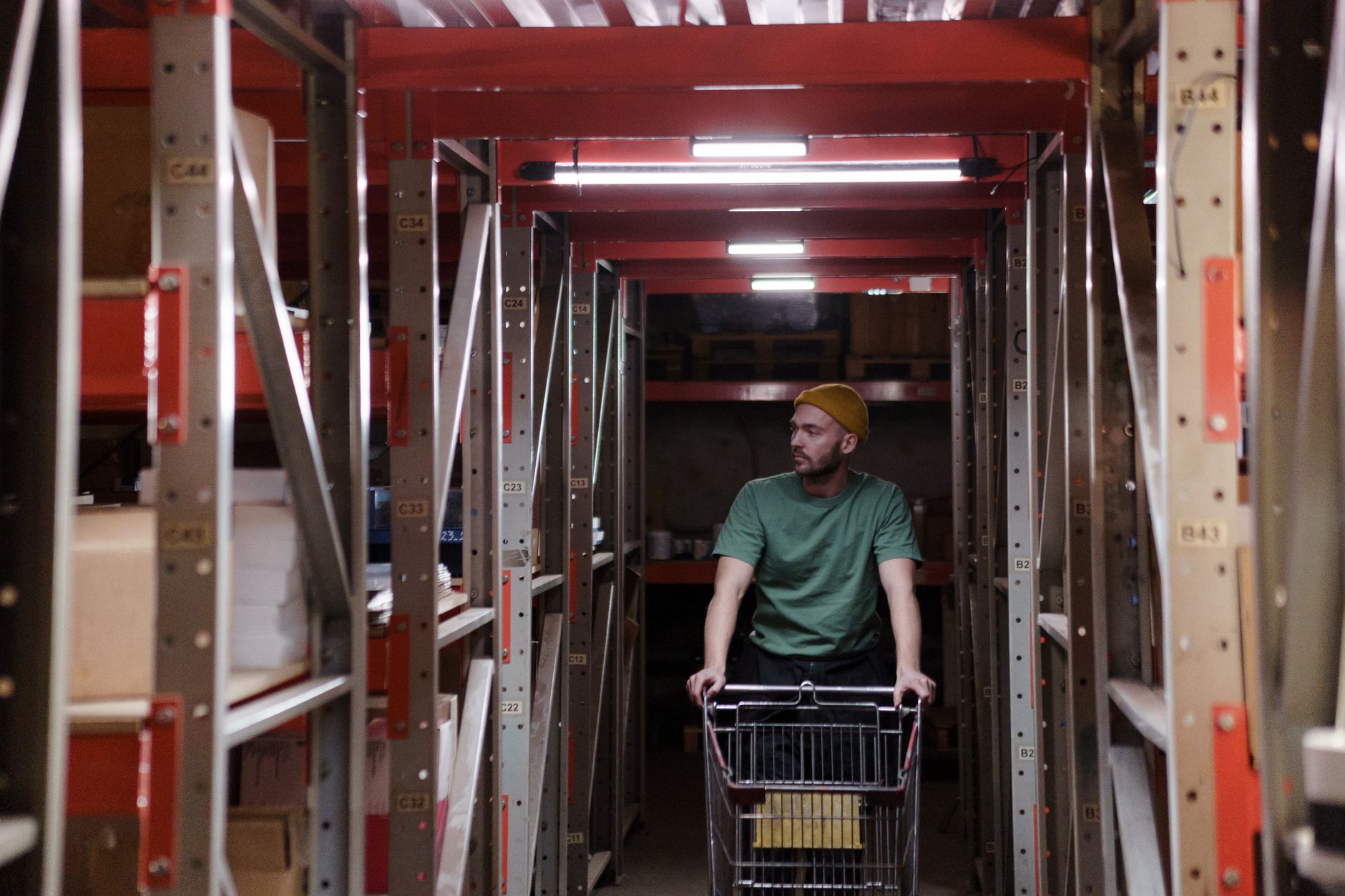
Deployment fit the floor that already existed. The robot was mapped to the current layout, no aisle or workstation changes required, then dispatched through tablets so team members could call transport tasks as needed. It operated alongside people and equipment, handled different cart types, and stayed available through wireless charging.
For manufacturers considering an autonomous mobile robot rental, amr rental, or material handling robot rental, the lesson is practical. A phased deployment no shutdown approach tends to beat a grand redesign, especially when the first win is repetitive transport between fixed points.
- Start with a single, repetitive cart-transfer workflow
- Map routes to the existing floor instead of changing the layout
- Let floor teams dispatch moves from tablets
- Run the system across multiple shifts and keep it charged during the day
Measured outcomes
The documented results were concrete and fast. Within weeks, material deliveries became more consistent and predictable, and the robot was completing hundreds of transfers per month across multiple shifts.
The biggest labor effect was not headcount reduction. It was task reallocation. The deployment freed more than 20 technician hours each week for core manufacturing work such as assembly and testing.
Operationally, the facility recorded a 30% increase in material-handling productivity. Cart transfers between warehouse and assembly areas were fully automated, and the site achieved that without adding headcount or changing the facility layout.
What this means for buyers evaluating Service Robot Co.
This is a documented third-party deployment, not a Service Robot Co. project. Its value here is that it shows where autonomous mobile robots earn their keep in industrial manufacturing: dull, repeated, line-adjacent transport work that steals time from skilled technicians.
Service Robot Co. is a vendor neutral robot integrator for US businesses. We select the robot that fits your floor across manufacturers, then finance, deploy, integrate, train, and service it through a nationwide US engineer network. One partner, one number, and one lifecycle owner.
For a plant weighing robot leasing for business, lease rental or sale, or robot as a service, that model reduces a common failure point. The machine is only part of the job. Site assessment mapping, robot deployment and integration, go live support, maintenance included, and ongoing service are what turn a pilot into a dependable operating tool.