
a municipal golf course inside a federal urban park in Northern California
How a Federal Park Golf Course Saved 70 Weekly Labor Hours With Robotic Greens Mowers
Documented Northern California park course: five leased autonomous greens mowers, 70+ weekly labor hours saved, and lease payback projected in about two years.
- 70+ hrs
- Weekly saved
- 5
- Greens units
- 11
- Staff today
- 2 yr
- Payback goal
Based on a documented real-world deployment. Figures are from public reporting; the organization is not named.

Thin staffing on a high-profile park layout
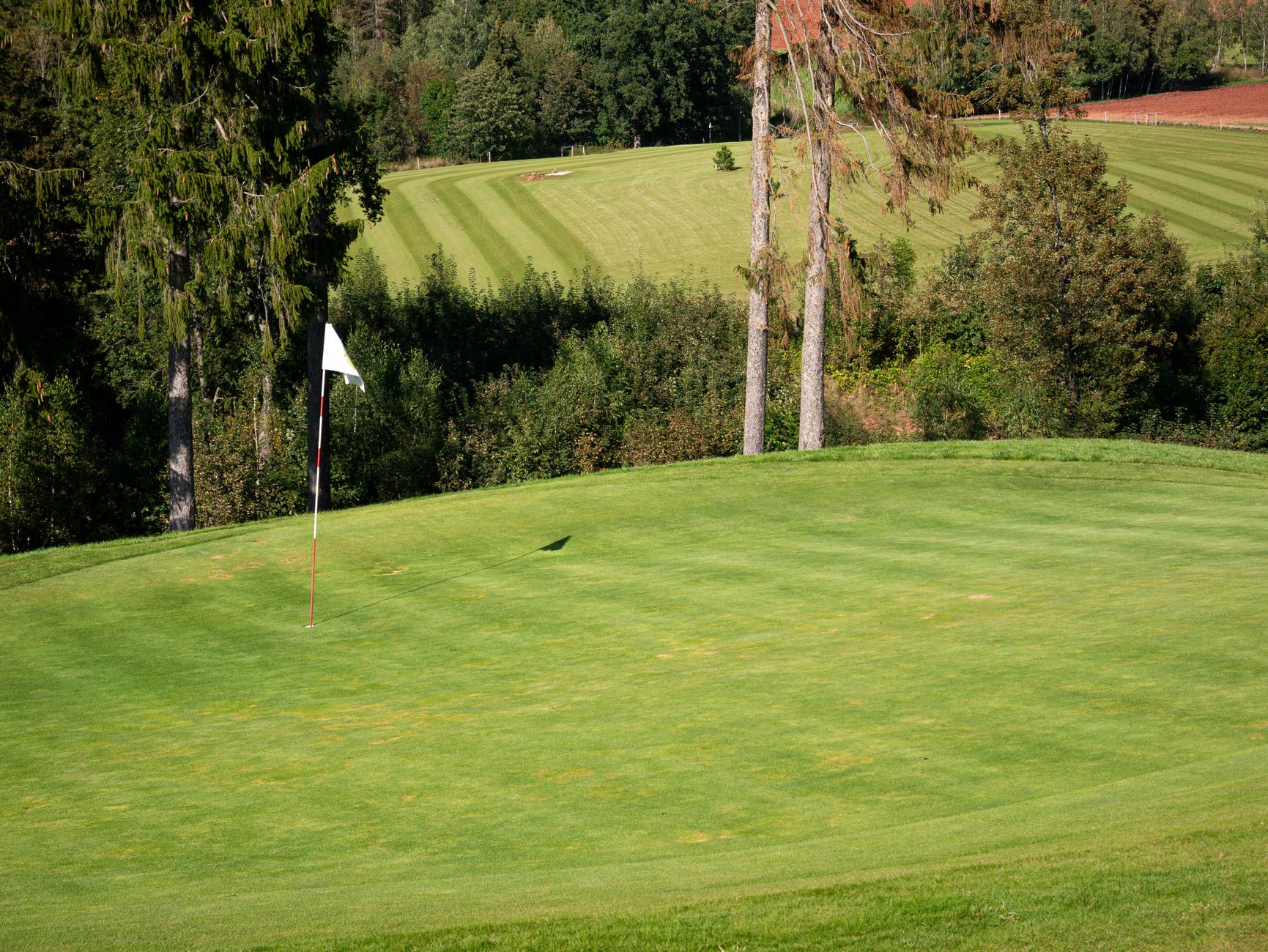
A municipal golf course inside a federal urban park in Northern California already ran lean before robotics, with maintenance staffing closer to eleven people than the fifteen it carried a few years earlier. Greens mowing and rolling still consumed the hours that never show up on a job posting but always show up on the schedule.
Federal park rules also meant new machinery needed environmental justification, not just a purchase order. Leadership wanted lower fuel use and quieter electric operation without sacrificing the cup-and-bunker work members notice.
The superintendent needed a path that freed chaperones for detail tasks during each green pass rather than promising headcount cuts for optics.
Leasing a five-unit greens fleet
The club leased five autonomous greens mowers and paired each run with a chaperone who handled cups, bunkers, and ball marks while the unit mowed and rolled. Perimeter guidance relied on buried boundary wiring to keep machines on defined green complexes.
Because the property sits inside a federal park, approval emphasized renewable electric operation and reduced environmental footprint compared with conventional small-engine equipment. Training focused on escorting units across hilly morning dew before play.
Leadership treated the rollout as labor reallocation, not a layoff program, while measuring fuel and hour savings against a four-year lease term.
- Secure federal park approval for electric autonomous equipment
- Lease five greens mowing units with escort workflow
- Map buried boundaries around each green complex
- Pair each mowing run with cup and bunker detail work
- Track labor and fuel against the four-year lease horizon
Documented hour and staffing outcomes
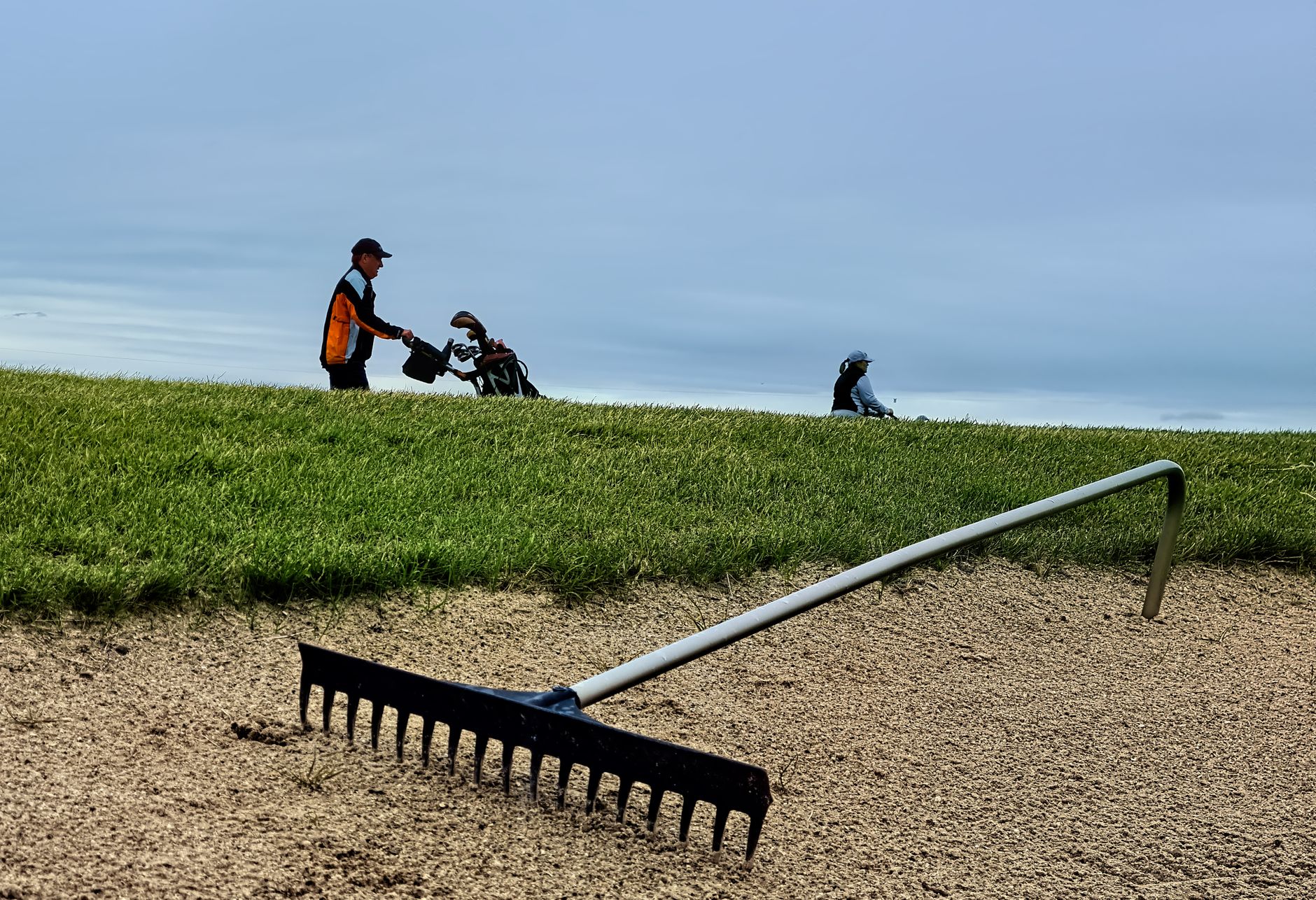
Reported savings exceeded 70 labor hours per week after the fleet was in routine use, with chaperones completing more detail work in the same shift window. Documented reporting also noted five people could accomplish in one day what twice as many workers previously finished only a few days per week on greens-focused tasks.
Staffing had already contracted from about fifteen to eleven before robotics, and leadership projected the four-year lease would offset its cost in about two years through labor and fuel savings. Units mow and roll in one pass, which compressed morning prep when schedules were tight.
Hilly terrain and morning dew still required occasional assistance on grades, but the superintendent described the units as worthwhile for labor and fuel reduction inside a strict environmental review context.
What park-adjacent courses can take from the model
This documented example is not a Service Robot Co. client story. It shows how greens-focused automation can return chaperone hours to cups and bunkers when fairway robotics are not yet in play.
Service Robot Co. stays vendor neutral, maps corridors, trains monitors, and supports buy or lease programs under RoboCare after a free site assessment. US municipal and resort courses with tight staffing can benchmark the 70-hour weekly shift without assuming the same federal approval path.
The lesson is pairing autonomy with escort workflows so detail work rises with member expectations instead of slipping when benches stay thin.