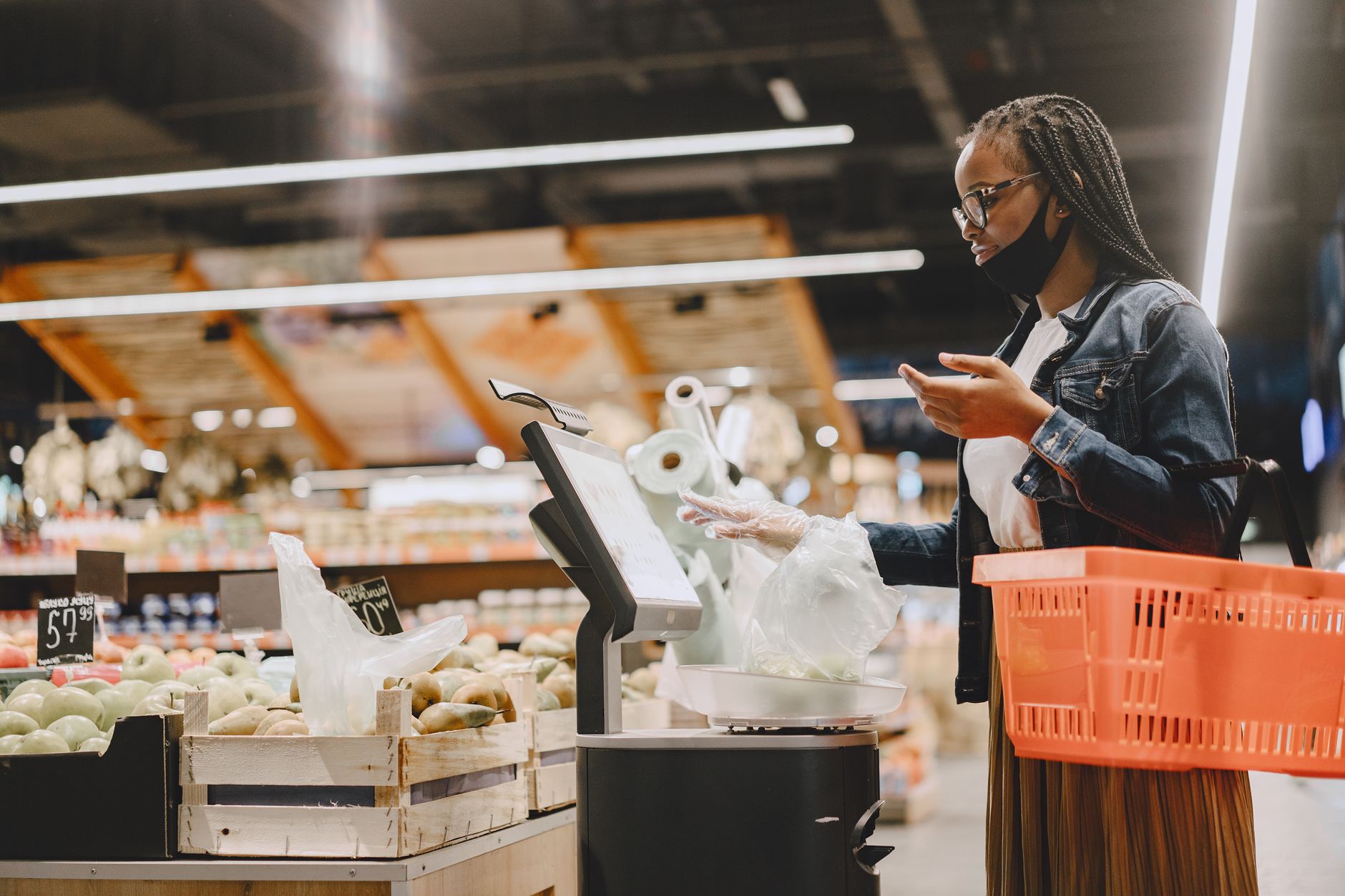
a Finnish hypermarket chain with roughly 10,000-square-meter stores and contracted facility cleaning crews
How a Finnish Hypermarket Chain Freed Five Hours Daily With Scrubber Robots
Hypermarket case study: about five hours of daily autonomous scrubbing per 10,000 m² store, with crews shifted to high-touch cleaning.
- 5 hr/day
- Floor automation
- 10,000 m²
- Typical store
- 8 stores
- Units deployed
- 80%
- Less water cited
Based on a documented real-world deployment. Figures are from public reporting; the organization is not named.
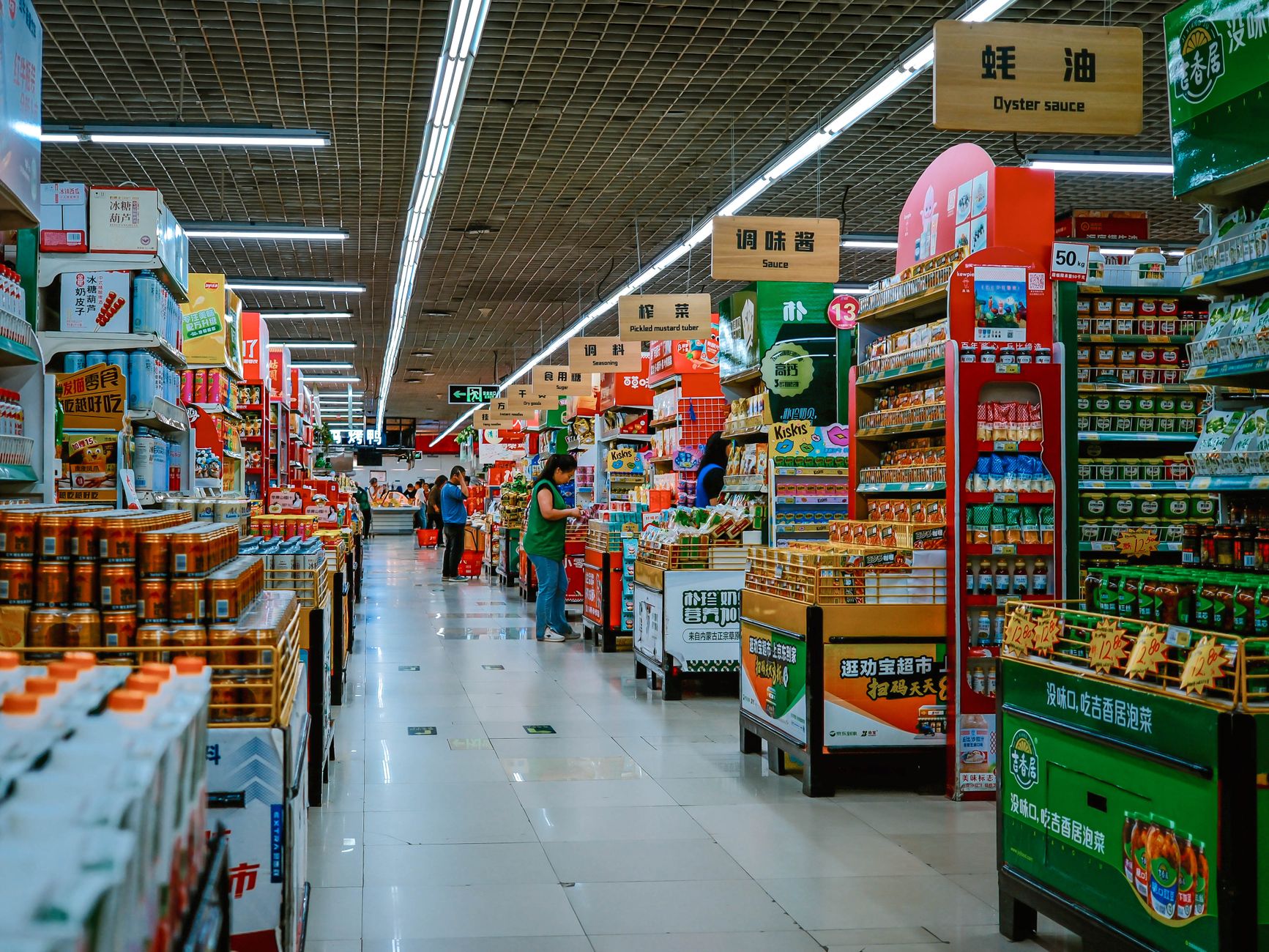
Ten-thousand-square-meter floors under constant foot traffic
A Finnish hypermarket chain runs stores that average about 10,000 square meters of sales floor. Contracted cleaning crews had to keep those vast aisles presentable while crowds surged through peak hours.
Management treated visible cleanliness as part of the shopper experience, especially as expectations rose for sanitized high-touch surfaces. Crew time that disappeared into wide hard-floor passes was time not spent on displays, entries, and touchpoints.
The facilities partner also pursued sustainability goals, so any automation had to cut resource use, not just move labor around.
Large-format scrubbers mapped by zone
In 2019 the facilities partner began placing heavy-duty autonomous scrubbers sized for wide aisles, starting with one hypermarket and expanding store by store. Operators segmented each floor into regions and chose path modes suited to fixed aisles versus temporary promotional layouts.
Scheduling moved much of the autonomous work to closed hours so shoppers saw clean floors without navigating active machines. Mobile scheduling and remote status checks let supervisors adjust runs without standing beside the unit all shift.
Training focused on teaching routes, refilling, and alarm response so contracted cleaners could treat the scrubber as another crew member rather than a side project.
- Pilot one hypermarket before the multi-store rollout
- Segment floors by traffic pattern and display churn
- Run autonomous passes during closed or low-traffic windows
- Keep human crews on high-touch sanitization tasks
- Expand only after routes prove stable for a full week
About five hours of daily floor work automated
The public case study reports each unit spends about five hours every day completing autonomous hard-floor cleaning in a hypermarket. That cadence pulled the widest passes off human crews while standards stayed visible to shoppers.
Cleaning staff said the machine eased floor burdens and returned hours to sanitizing shelves, handles, and other high-touch areas managers prioritized during health-conscious retail seasons.
Eight hypermarkets had adopted one onsite scrubber since the first November 2019 deployment, showing a measured chain rollout rather than a one-off demo. The same source credits onboard water recycling with up to 80 percent lower water consumption versus repeated manual refills.
What US grocers can borrow from the pattern
This story is a documented overseas example, not a Service Robot Co. customer claim. The lesson for US operators is familiar: when square footage and traffic outrun night crews, autonomous scrubbers can own the repetitive loops.
Service Robot Co. stays OEM-neutral, matches scrubber class to aisle width and drainage, and supports buy or lease financing with deployment mapping, staff training, and RoboCare service nationwide. A free site assessment is the practical first step before you commit capital to a hypermarket-scale floor plan.