
a Florida hospital's intensive care unit
A Florida Hospital's ICU Cuts VRE, MRSA and C. diff 61% With UV-C Robots
A Florida hospital's ICU saw a reported 61% combined drop in VRE, MRSA and C. diff after adding UV-C room disinfection robots. Results and limits.
Deployment at a glance
- 61%
- Combined ICU drop in VRE, MRSA and C. diff
- 87%
- Reported drop in the ICU VRE infection rate
- 29%
- Facility-wide drop in the combined rate
- $730,000
- Savings estimated by the hospital from avoided infections
Based on a documented real-world deployment. Figures are from public reporting; the organization is not named.
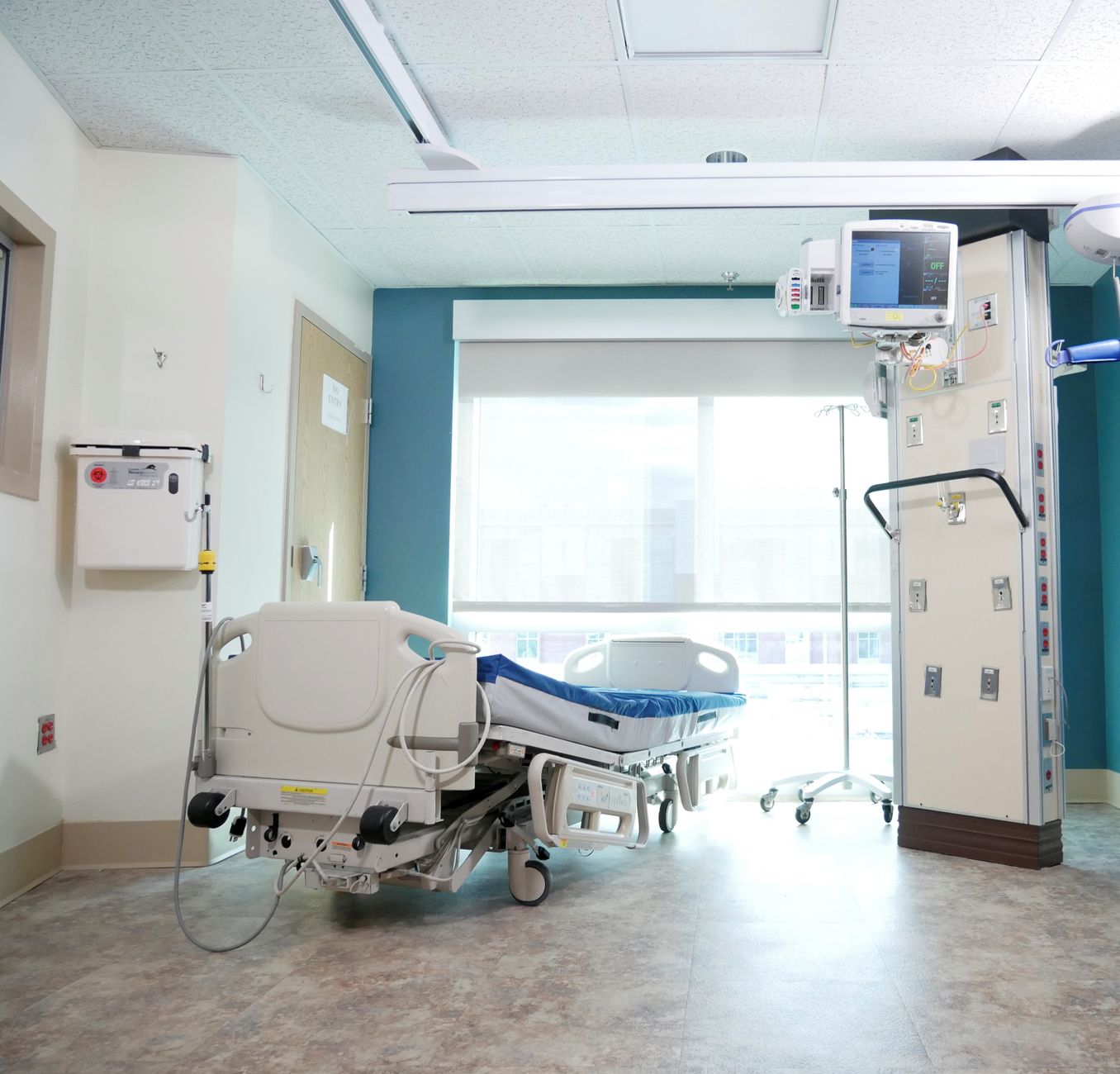
A unit where resistant organisms keep finding a way back
An intensive care unit gathers the patients most exposed to hospital acquired infection, and the organisms that worry infection prevention teams most are hard to shift. Vancomycin resistant enterococci (VRE), methicillin resistant Staphylococcus aureus (MRSA) and Clostridioides difficile (C. diff) can persist on surfaces around a patient, and C. diff forms spores that resist many common cleaning agents.
Room turnover is where that risk concentrates. A bed that looks clean after a discharge or transfer can still carry organisms to the next patient, so the unit's response focused on the rooms patients leave behind.
Robots at the point of room turnover
The hospital added UV-C room disinfection robots to its routine for ICU discharges and transfers. The stated aim was to use the robots for every terminal clean in the unit, the final disinfection of a room after a patient leaves it.
Outside the ICU, the robots were used only for C. diff cases. That narrower scope matters for reading the results, because the facility-wide figures cover more than the ICU alone.
- Robot disinfection of ICU discharges and transfers
- Terminal cleans in the ICU as the stated goal for robot use
- Robot disinfection outside the ICU limited to C. diff cases
What the measured outcomes show, and where they stop
A peer reviewed study reported a 61% combined drop in VRE, MRSA and C. diff infections in the ICU after room disinfection with the robots was added. Within the same ICU, the VRE infection rate fell 87%.
Across the whole facility, the combined rate for the three organisms fell 29%. The gap between the ICU figure and the facility figure follows from scope, since the ICU received the robots for discharges, transfers and terminal cleans while other units received them only for C. diff.
An earlier conference poster from the same hospital reported a 41% facility wide drop in C. diff infections. It measures one organism rather than three, so it should not be set beside the 29% combined figure as if the two were the same measure.
The hospital estimated $730,000 in savings from avoided C. diff and VRE infections. That is the hospital's estimate, and it leaves out MRSA entirely.
The limits are real. The studies compare the hospital before and after the change, and no control group was reported. Other infection control practices may have shifted during the same period, and these data cannot separate their effect from the robots. The coverage dates from roughly 2015 and 2016, so these results describe a program about a decade old, not a current benchmark.
What this means for a facility weighing robot disinfection
A UV-C robot is one layer in an infection control program, not a program by itself. Any facility looking at this approach should plan for staff training, a schedule for terminal cleans, and a baseline measured on the same organisms and units it will track afterward.
Service Robot Co. is a vendor neutral robot integrator for US businesses. We select the right robots across manufacturers, then arrange a lease, deploy, integrate, train and service each unit through a nationwide US engineer network, so a clinical or facilities team works with one partner and one number.
Our lease runs for three years with one fixed payment quoted after a site assessment, so the terms follow the layout and the workflow rather than a generic guess. This account is a documented deployment we analyze. It was not a Service Robot Co. project.
Frequently asked questions
Want a robot working for you?
Tell us the job and the site. We will recommend the robot, quote the lease, and keep it serviced.