
a food distribution warehouse in Texas running retail order fulfillment across a 40,000-square-foot pick area
How a Food Distribution Center Raised Pick Rates From 65 to 98 UPH With AMRs
A Texas food DC raised picking from 65 to 98 units per hour with twelve cart AMRs, cutting aisle congestion and limiting full pick audits to about ten percent.
- 98 UPH
- Pick rate
- 65 UPH
- Prior rate
- 50%
- Productivity
- 12
- Cart AMRs
Based on a documented real-world deployment. Figures are from public reporting; the organization is not named.
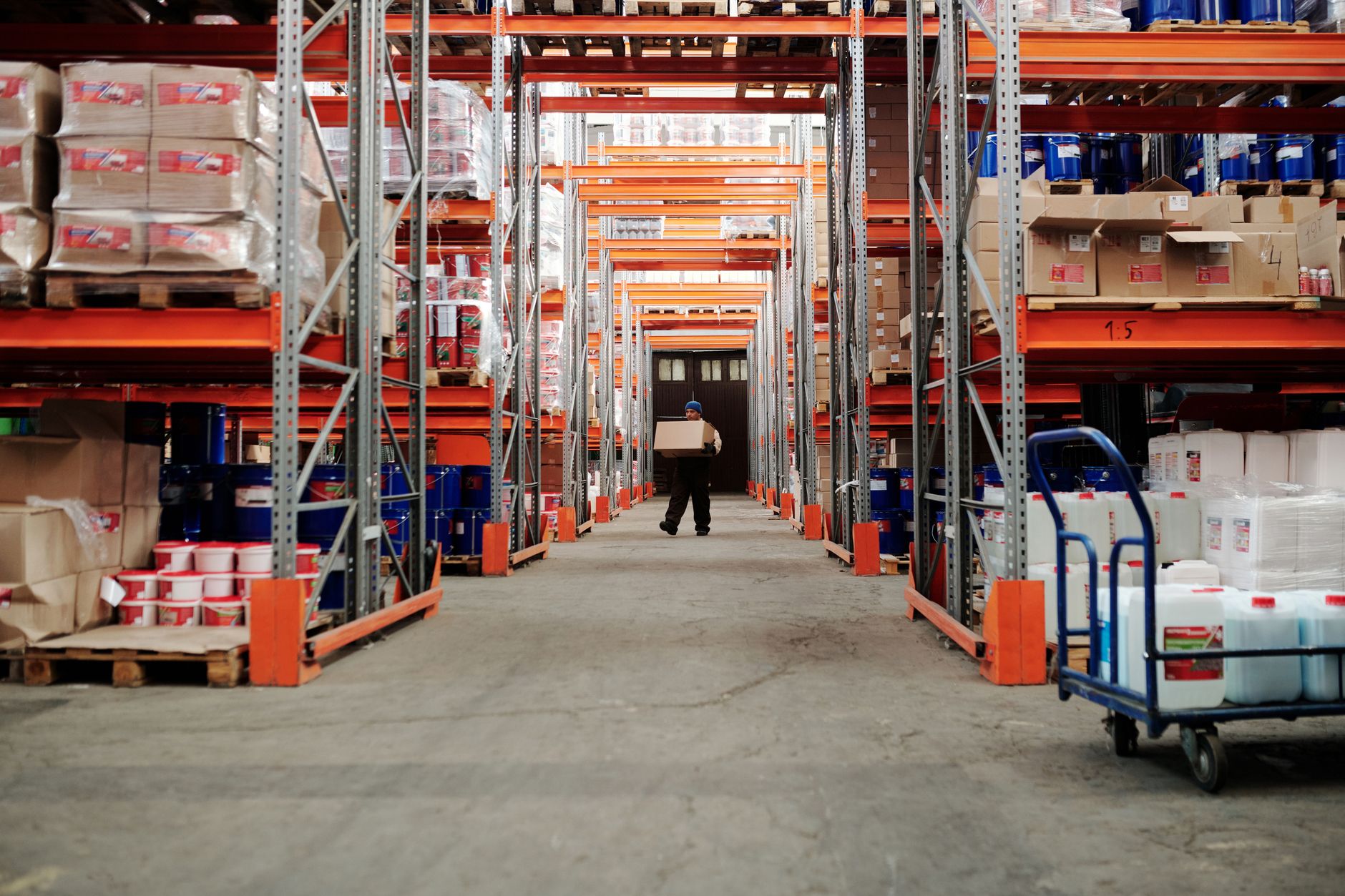
Cart building stole time from picking
A food distribution warehouse in Texas running retail order fulfillment across a 40,000-square-foot pick area needed teammates focused on picking, packing, and order accuracy. Instead, associates built and pushed heavy pick carts through aisles, creating congestion and ergonomic strain.
Electric pallet jacks added traffic conflicts and maintenance costs while leaders still audited every pick for accuracy. The operation wanted higher units per hour without sacrificing food-handling standards or safety.
- 40,000-square-foot active pick zone
- Manual cart pushes between pick faces and pack stations
- Full pick audits on every order before automation
Deploy a dozen cart AMRs in the pick area
Leadership integrated twelve cart-based autonomous mobile robots to move pick containers while associates stayed at pick faces. Robots met pickers along the route, reducing walk time and eliminating most manual cart towing.
Teams trained on robot handoffs, used dashboards to track units per hour, and leaned on built-in scan checks so only a sample of orders needed manual audits after go-live.
- Phased AMRs across the 40,000-square-foot picking footprint
- Shifted pickers from cart building to pick-and-pack tasks
- Used system checks to target audits to about ten percent of picks
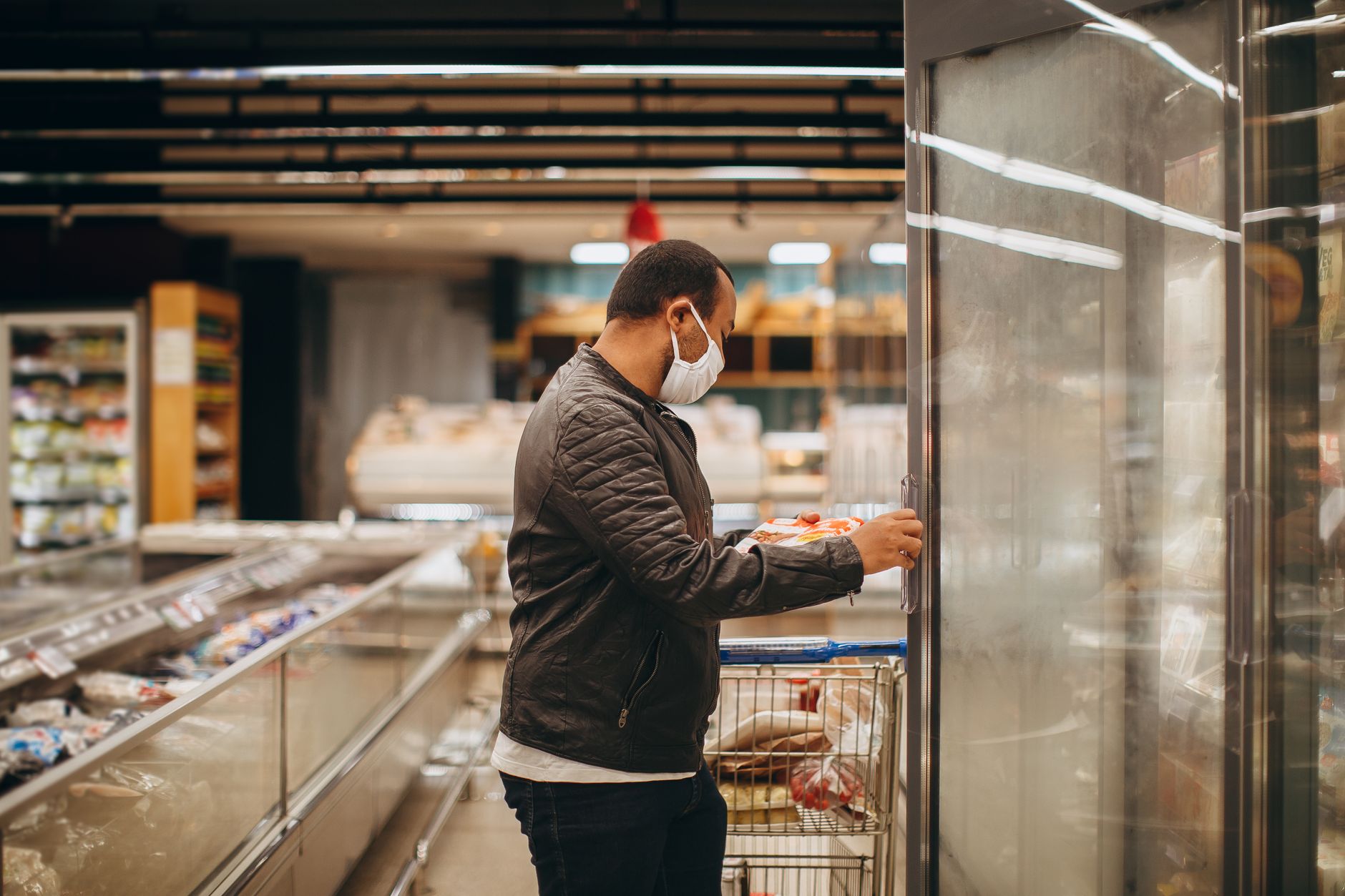
Fifty percent more units per hour
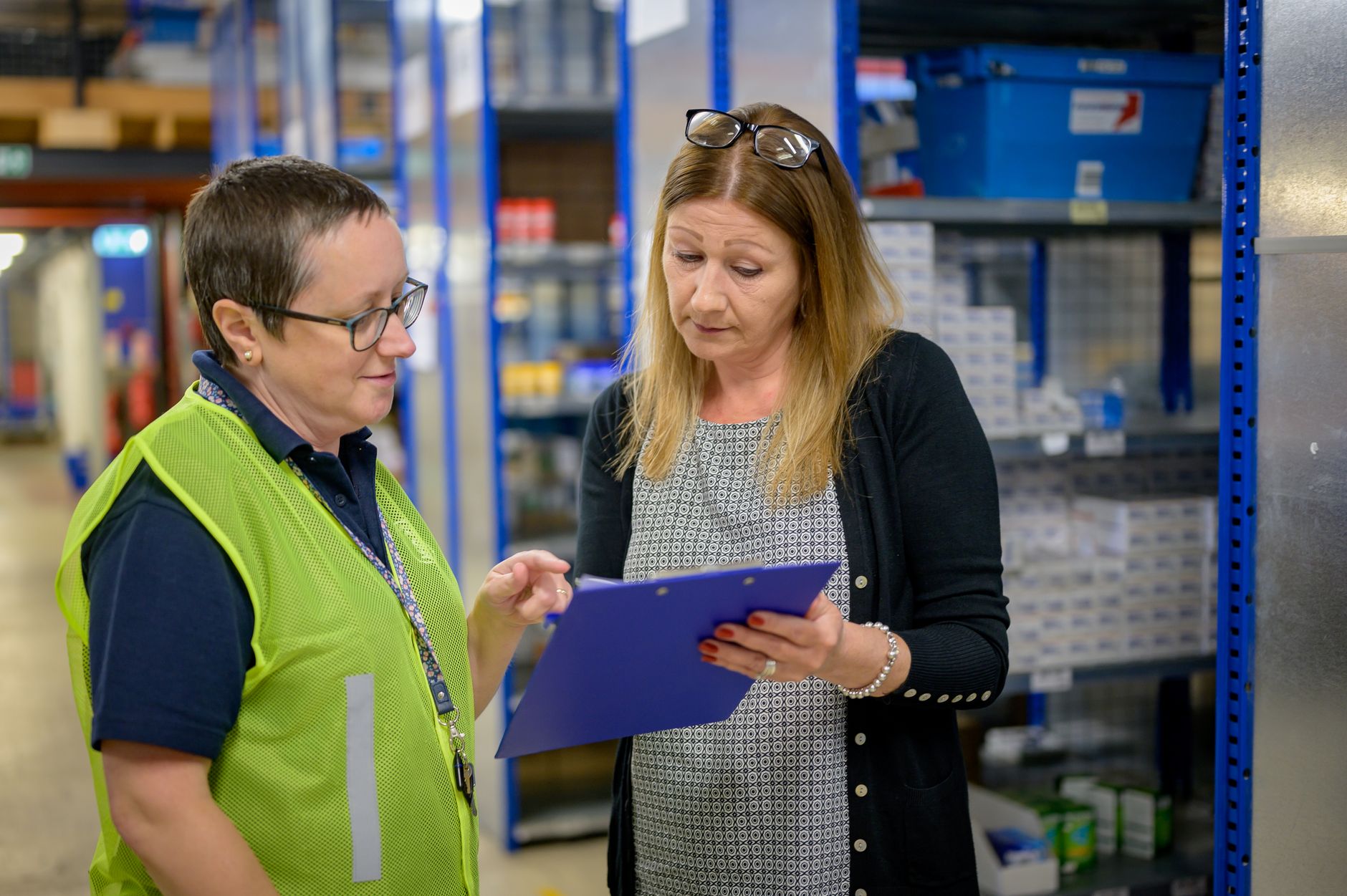
Average productivity improved about fifty percent, with units per hour rising from 65 to 98 after the cart AMRs were in daily use. Teammates reported less aisle congestion because robots replaced many electric pallet jack trips.
Accuracy checks embedded in the workflow meant leaders audited roughly ten percent of picks instead of every line. Ergonomics improved as associates stopped pushing heavy carts through the operation.
Lessons for grocery and food DCs
Food fulfillment punishes walk time because cases are heavy and temperature-controlled areas need steady throughput. Warehouse robot leasing or buy paths for cart AMRs can start in one pick zone before you expand to chill or freezer-adjacent aisles.
Service Robot Co. compares AMR vendors neutrally, then bundles financing, WMS integration, training, and RoboCare service. Publish a pre-robot units-per-hour baseline so gains stay auditable when seasonal volume swings.