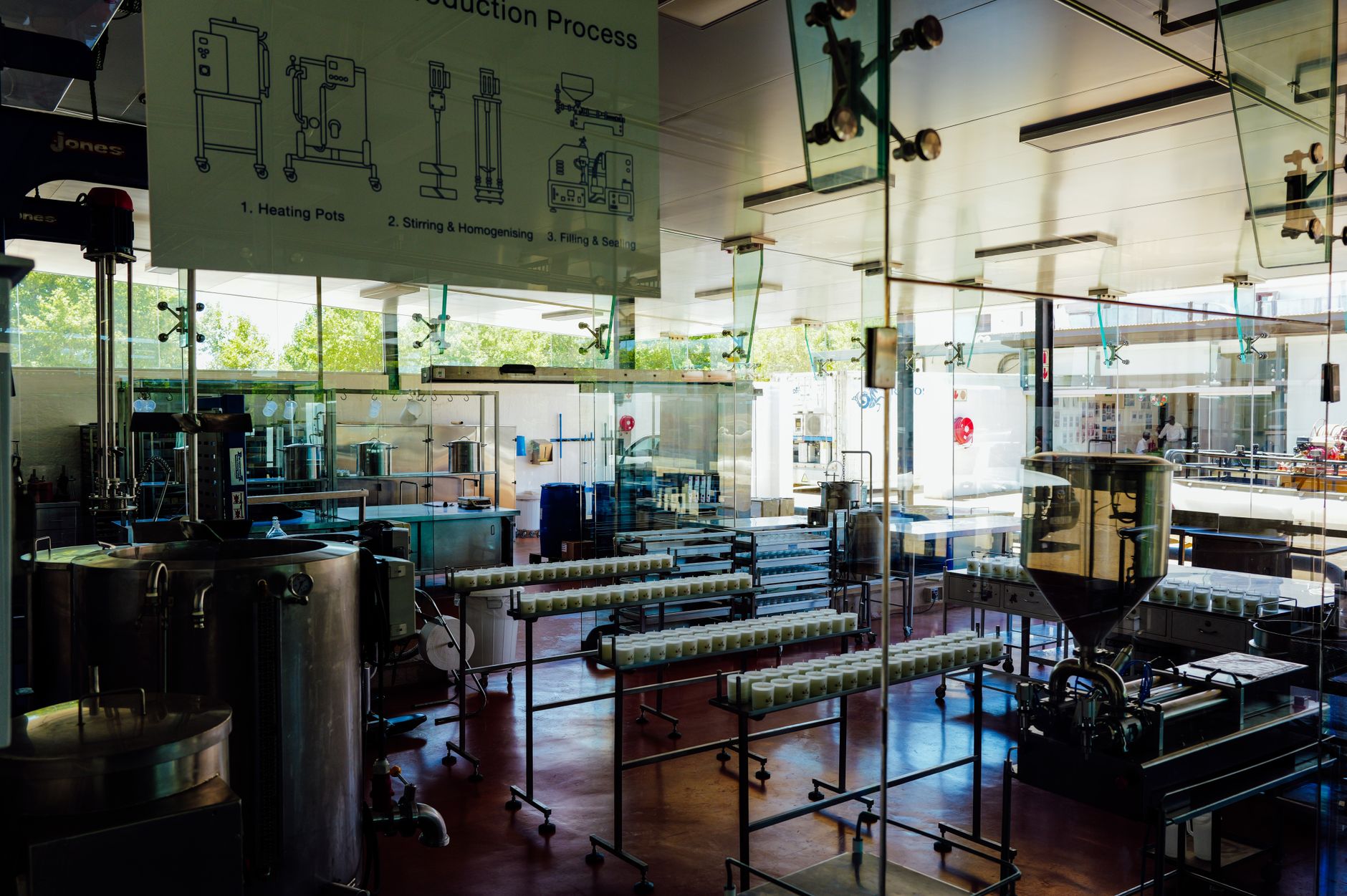
a food-ingredients production and distribution warehouse in southern Europe
How a Food-Ingredients Warehouse Cut Cleaning Time 60% With an Autonomous Sweeper
Food-ingredients warehouse case: autonomous sweeper covers 2,500 sq m daily, 60% faster cleaning, 80% less inspection walking, across three zones.
- 60%
- Faster clean
- 80%
- Less walking
- 2,500
- Sq m daily
- 3 zones
- Coverage
Based on a documented real-world deployment. Figures are from public reporting; the organization is not named.
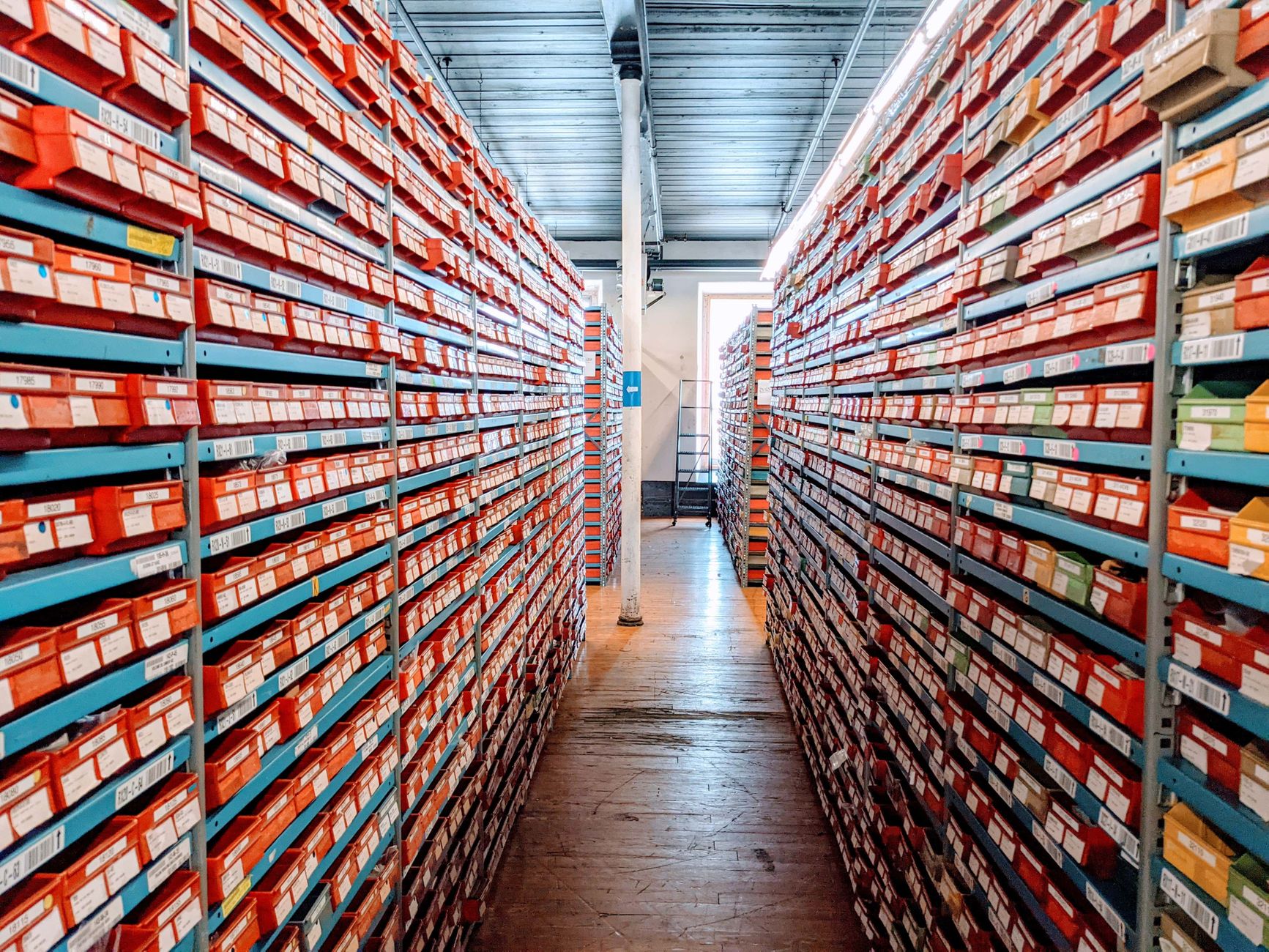
Debris across distribution aisles
A food-ingredients production and distribution warehouse in southern Europe generated wood fragments and plastic debris across storage aisles and staging floors. Manual push sweepers required staff to walk the building hunting scattered trash before production could trust floor conditions.
Cleaning consumed hours that pulled people away from receiving, quality checks, and value-driven warehouse tasks whenever debris built up between shifts.
- Wood and plastic debris across distribution areas
- Manual walk-and-sweep inspection before each cycle
- Hours lost to repetitive floor care
Scheduled sweeper across three zones
Leadership deployed a compact autonomous industrial sweeper with scheduled routes across three warehouse zones covering distribution areas, storage aisles, and general floor paths.
The unit runs daily routines with minimal staff intervention so operators set paths once and let the sweeper complete coverage while teams focus on exceptions.
- Map three zones for distribution, storage aisles, and open floor
- Set daily autonomous sweeping schedules
- Keep staff on debris exceptions and quality tasks
- Review coverage data before adding second shifts
Measured time and inspection gains

After deployment, published reporting cites about sixty percent faster cleaning across the warehouse and roughly eighty percent less time spent walking the building to locate scattered debris manually.
Autonomous sweeping now covers about twenty-five hundred square meters per day while personnel previously tied to floor care move to higher-value responsibilities.
What this means for your warehouse
This anonymized example shows how ingredient and food distribution sites can pull walk-and-sweep labor off the floor without lowering cleanliness targets. Service Robot Co. did not run this warehouse. We help US operators compare OEM-neutral autonomous sweepers, set up warehouse cleaning robot rental or robot leasing for business with maintenance included, map zones, train leads, and service units nationwide.
If manual debris walks eat the first hour of every shift, pilot one zone at about twenty-five hundred square meters, log inspection minutes for a month, then expand financing only after scheduled routes hold on busy weeks.