
a shoe manufacturer applying adhesive to varied sole designs on a conveyor line
How a Footwear Line Improved Glue Consistency 75% With Dynamic Vision Dispensing
IFR-documented WIPRO vision gluing cut shoe-sole labor cost 50%, raised quality 40%, and improved consistency over 75% without teach programming per variant.
- 50%
- Labor cost down
- 40%+
- Quality up
- 75%+
- Consistency
- 0
- Teach per sole
Based on a documented real-world deployment. Figures are from public reporting; the organization is not named.
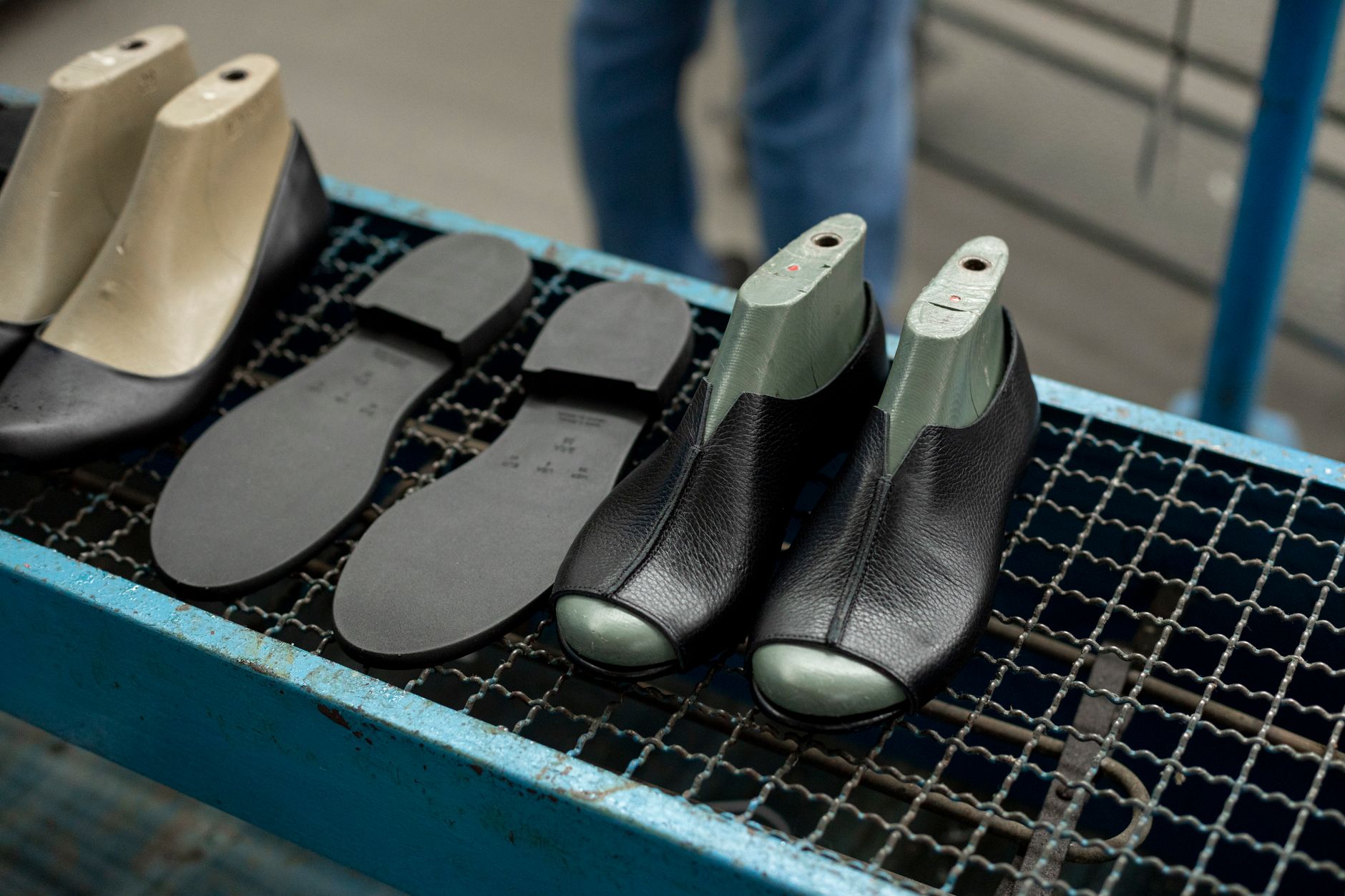
Manual gluing wasted adhesive and varied by operator
This footwear producer needed automated glue application on shoe soles to raise quality. Hand spraying caused overfills, underfills, and glue outside the sole edge.
The IFR case notes that conventional robot automation required manual teaching for every sole variant, consuming skilled programmer time on the floor whenever styles changed.
- Dispense glue accurately on changing sole shapes
- Avoid teaching the robot for each new design
- Cut adhesive waste from inconsistent manual sprays
- Keep line speed on a moving conveyor
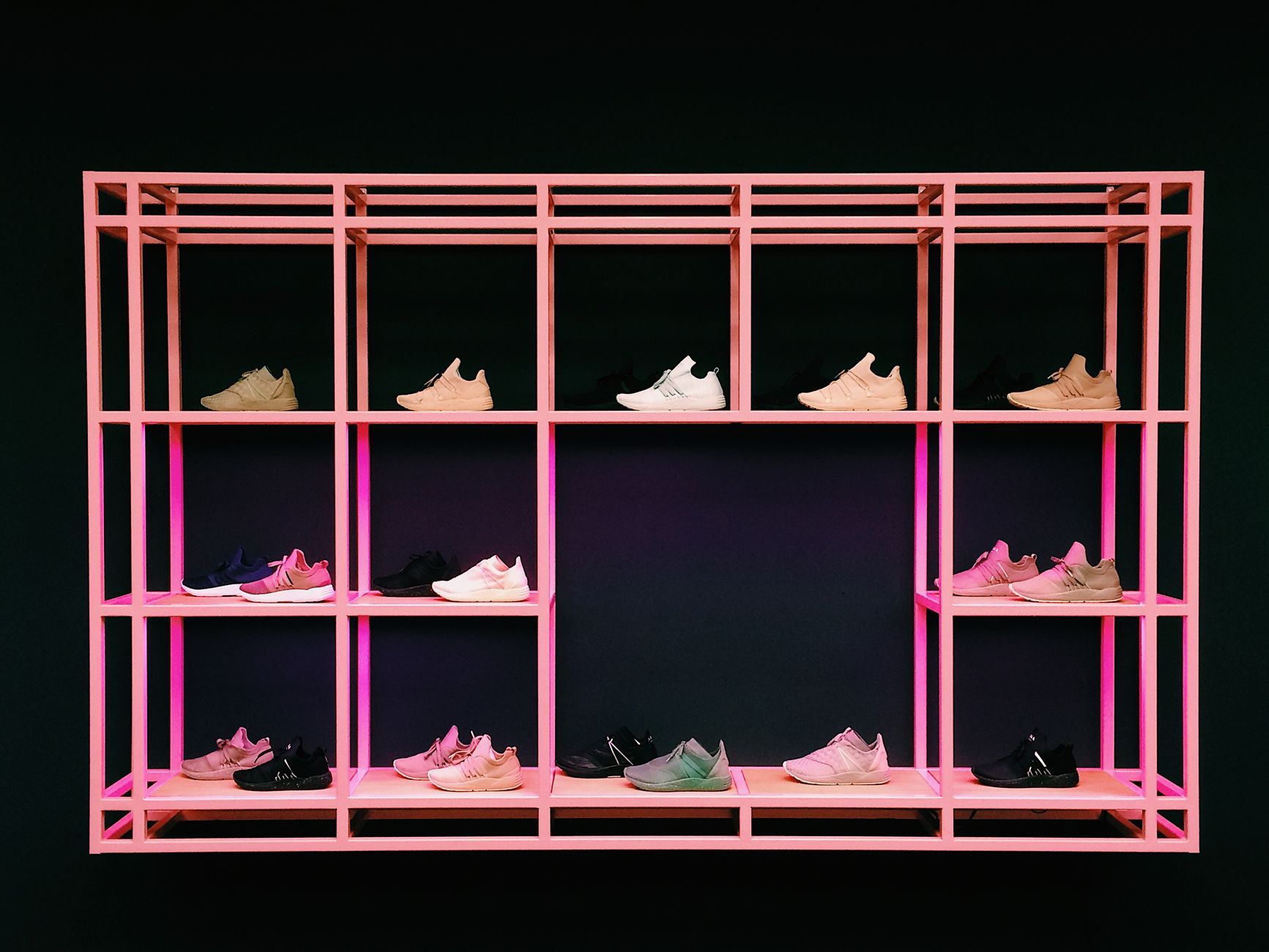
On-the-fly vision paths to the robot
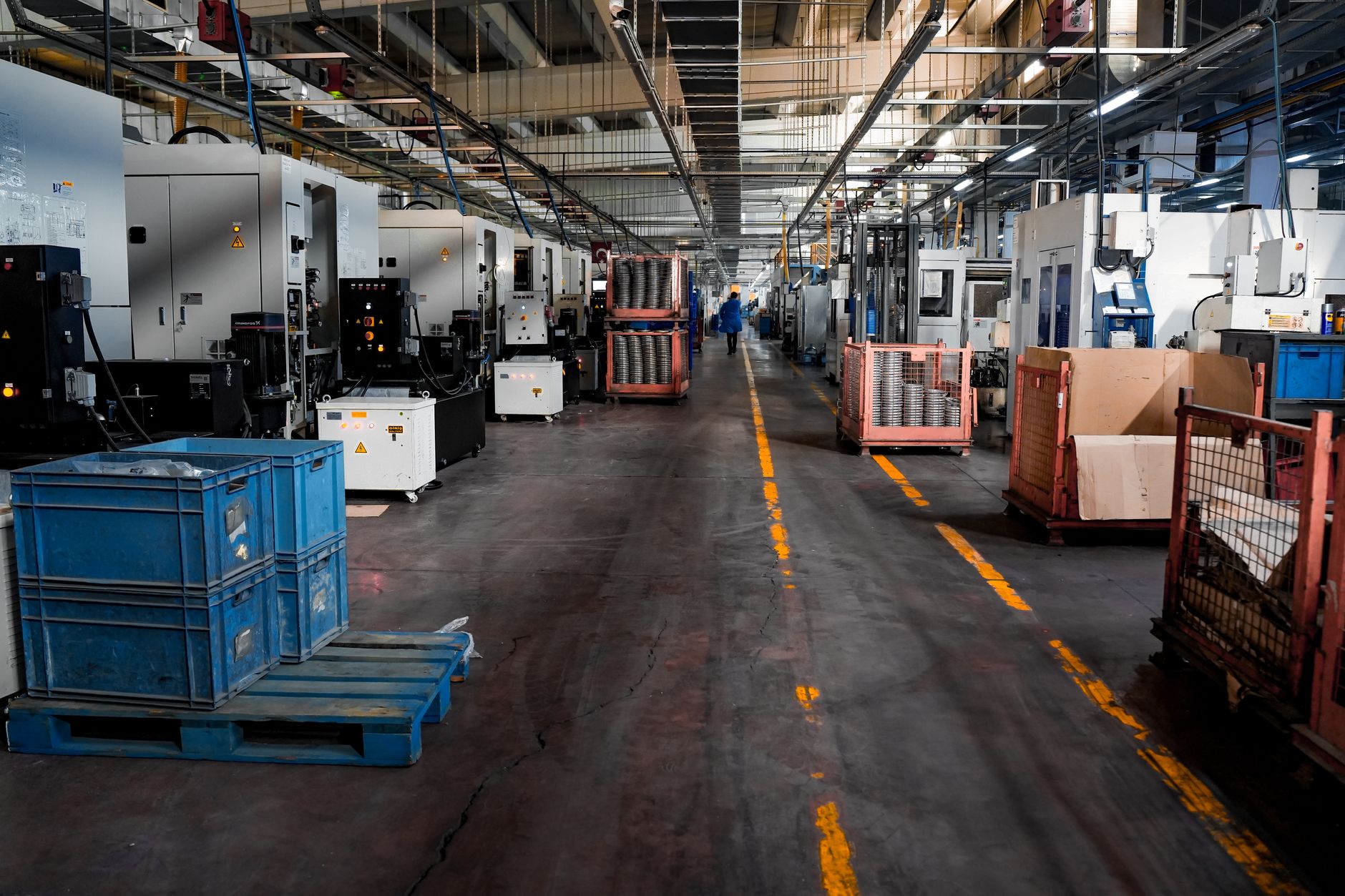
Wipro built a dynamic vision system that detects each sole variant, generates a glue trajectory, and sends coordinates to the robot controller. Soles arrive on a conveyor and are scanned in motion by a Photoneo vision camera.
Point cloud data feeds algorithms that build the application path. Interface software converts the trajectory into robot coordinates for a Nordson dispensing system. The platform is described as agnostic to robot, camera, PLC, and dispenser brands.
Once coordinates arrive, the robot follows the path while the dispenser sprays adhesive on the sole surface.
- Scan soles in motion on the conveyor
- Generate paths without offline teach files
- Interface vision output to the robot controller
- Integrate third-party dispensing hardware
- Support frequent sole design changes
Documented quality and labor gains
Published benefits cite quality improvement over forty percent, improved consistency over seventy-five percent, and fifty percent reduction in manufacturing labor cost during gluing.
The source also lists reduced dependence on skilled robot programmers because new sole types do not require training or teaching cycles before production.
Glue consumption optimization appears in the benefit list as a secondary gain from more controlled dispensing.
What U.S. manufacturers can take from the pattern
This is a documented integrator deployment analyzed by Service Robot Co., not a claimed client win. The transferable idea is vision-generated dispensing paths when SKU mix changes too fast for teach-pendant programming.
Service Robot Co. maps similar dispensing, pick-and-place, and conveyor tracking needs, then finances, deploys, trains, and services OEM-neutral cells under RoboCare nationwide. A free site assessment checks whether 3D vision and line speed fit your parts and safety rules.