
automated logistics and distribution centres for international fresh fish supply chains
How a Fresh-Fish Logistics Network Hit 24-Hour Order-to-Ship With Robotic Cells
IFR-documented Samey Robotics FANUC cells automate fresh-fish orders to palletized shipment in under an hour, supporting 24-hour land-process-ship cycles at high tonnage.
- 24 hr
- Order to delivery cited
- <1 hr
- To palletized ship
- 100+
- M-410 robots cited
- 2.3 t
- M-2000 lift cited
Based on a documented real-world deployment. Figures are from public reporting; the organization is not named.
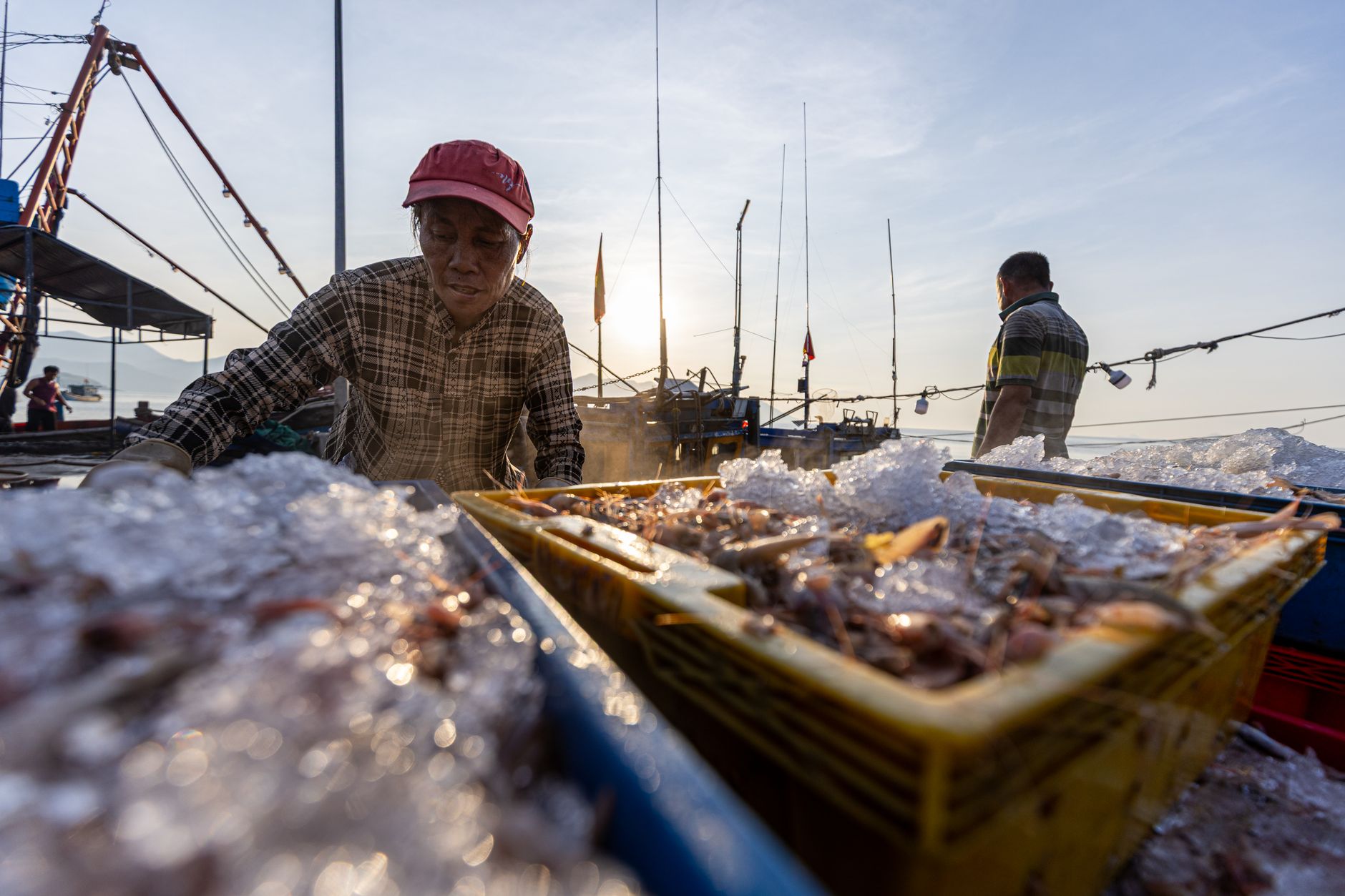
Spoilage risk and manual coordination
International fresh fish supply chains need fast, hygienic handling because downtime quickly affects product quality. The IFR case describes customers moving hundreds of tonnes of fresh produce per day where unexpected stops are not viable.
Orders historically required emails, calls, and manual decisions about when to feed raw fish into production. That friction sat in the way of consistent just-in-time distribution from coastal plants to distant buyers.
- Start production from remote orders without manual handoffs
- Palletize heavy fresh cases under strict hygiene demands
- Keep lines running when labor costs rise post-pandemic
- Handle delicate product without forklift-only inbound flows
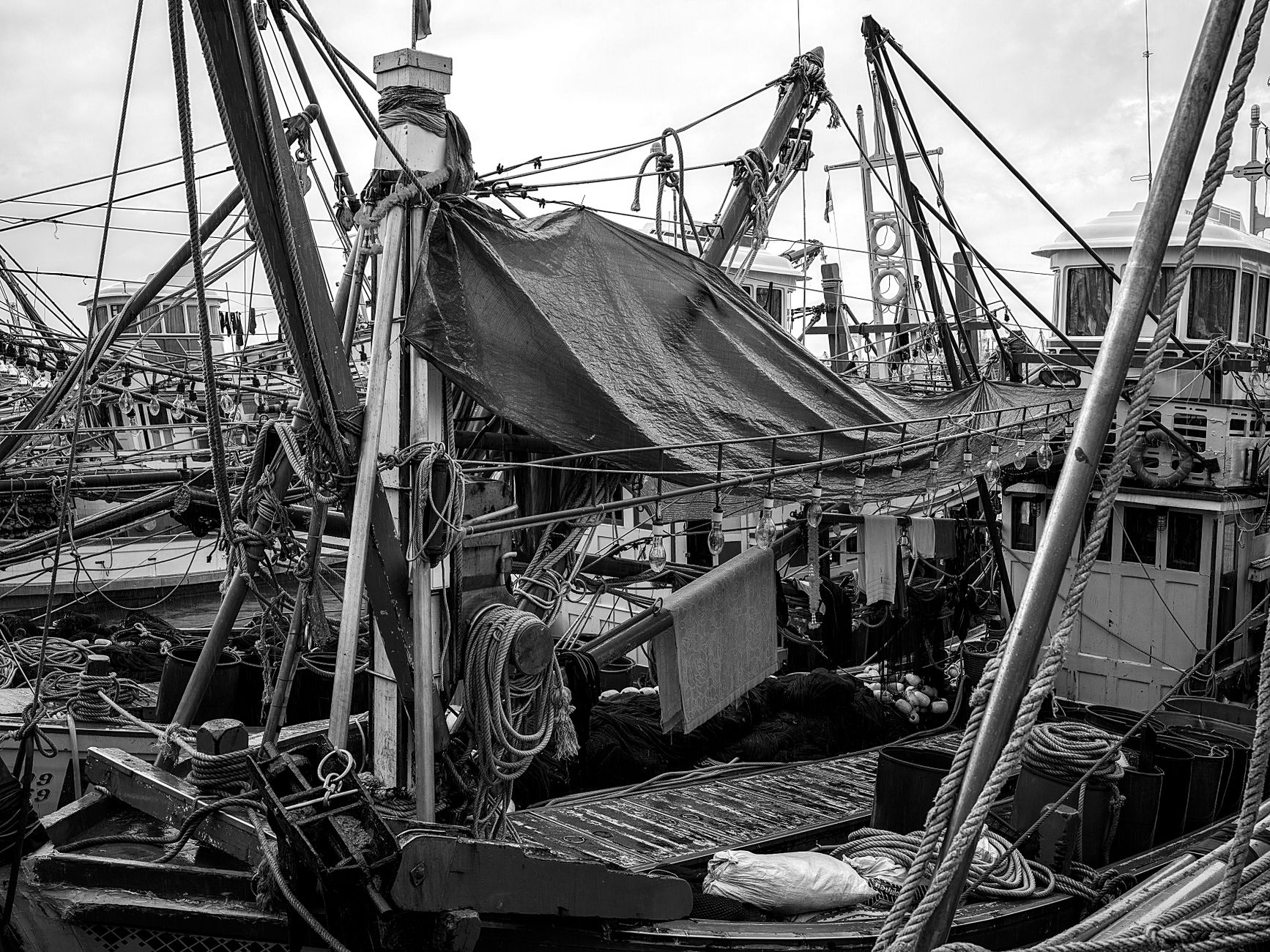
Automated cells from order to pallet
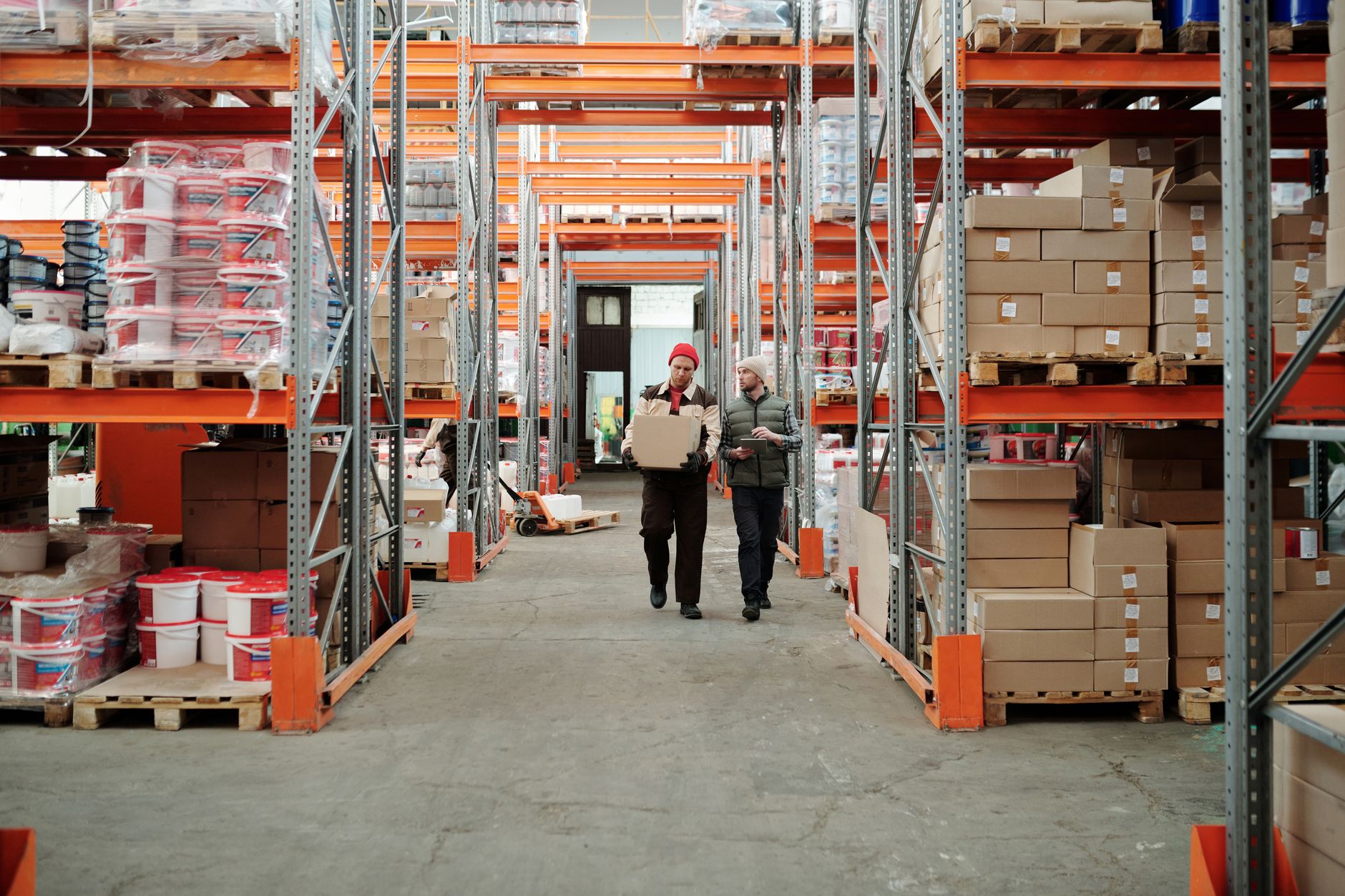
Icelandic integrator Samey Robotics builds bespoke food-processing automation using FANUC M-410 palletizing robots for heavy pallets, with more than one hundred units purchased and additional orders cited in the IFR article.
Chief sales officer Kristjan Karl Adalsteinsson told IFR that an order placed in London can log into a customer system in Iceland, trigger robots to feed raw produce into a cell, and reach palletized shipment in less than an hour without manual start-stop decisions.
The source also notes newer M-2000 six-axis arms loading 460 kg totes from boats into processing equipment, citing up to 2.3 tonne capacity and 4.7 meter reach to reduce forklift dependence on inbound fish.
- Integrate order systems directly with robotic production cells
- Palletize with M-410 series arms built for heavy loads
- Load boat totes with high-capacity M-2000 units
- Design for hygiene and high-throughput fish environments
- Scale replicated cells across multiple coastal countries
Documented speed and reliability claims
Published comments state the end-to-end path from order to delivery can run fully automated, with fish landed, processed, and shipped to customers within twenty-four hours in the automated network described.
Samey leadership emphasizes demand growth for high-throughput hygienic cells and credits FANUC reliability in harsh environments handling delicate, high-margin fresh fish.
The IFR piece notes over one hundred fifty automation projects delivered across ten countries, anchoring the model in repeated seafood logistics deployments rather than a one-off pilot.
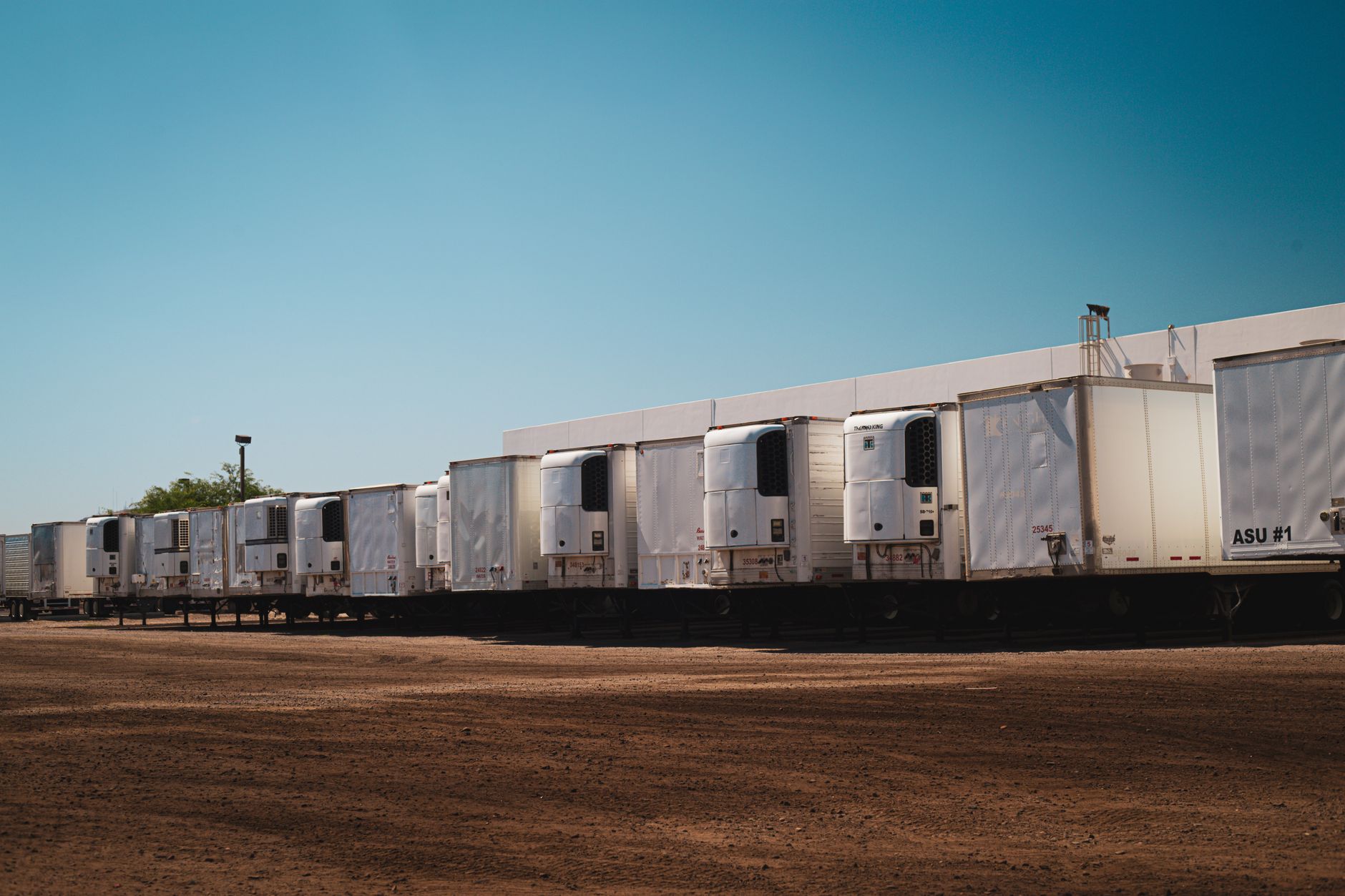
What U.S. food operations can take from the pattern
This is a documented integrator deployment analyzed by Service Robot Co., not a claimed client win. The transferable idea is tying order systems to palletizing and inbound lift robots when perishable throughput and uptime matter more than manual flexibility.
Service Robot Co. maps similar end-of-line palletizing, cold-chain handoffs, and heavy tote loading needs, then finances, deploys, trains, and services OEM-neutral industrial robots under RoboCare nationwide. A free site assessment checks hygiene zones, stack weights, and order triggers before you buy or lease.