
a global automotive tier-one supplier's interior systems manufacturing plant
How a Global Auto Tier Supplier Cut Work-Cell Size 15% With Eight AMRs
Eight warehouse AMRs moved interior trim parts between storage and work cells, delivering 11-month ROI and 15% smaller cells at a tier-one auto supplier.
- 8 AMRs
- initial fleet
- 11 mo
- reported ROI
- 15%
- smaller cells
- +50%
- fleet growth
Based on a documented real-world deployment. Figures are from public reporting; the organization is not named.
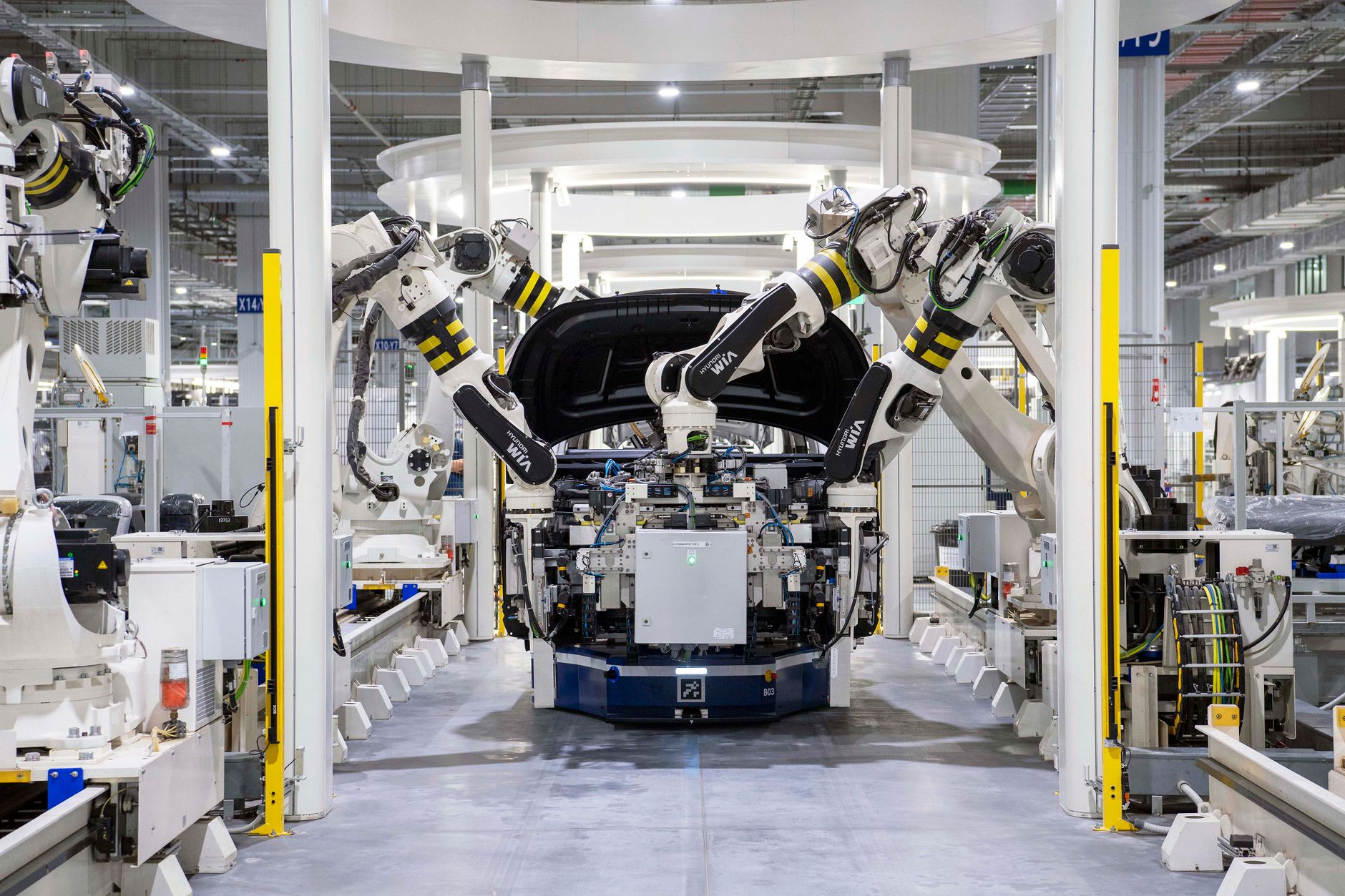
Cart traffic squeezed dense trim lines
Interior systems production depends on parts arriving at work cells on time, yet manual carts between the warehouse and the line tied up operators who should be assembling trim modules. Congestion at shared aisles slowed both material flow and assembly pacing.
Tier suppliers face pressure to raise production density without expanding floor space. Every square foot lost to staging buffers or wide cart paths cuts capacity the OEM expects on the next program ramp.
- Operators pulled off assembly to shepherd carts
- Warehouse-to-cell loops competed for aisle space
- Higher density goals collided with manual transport limits
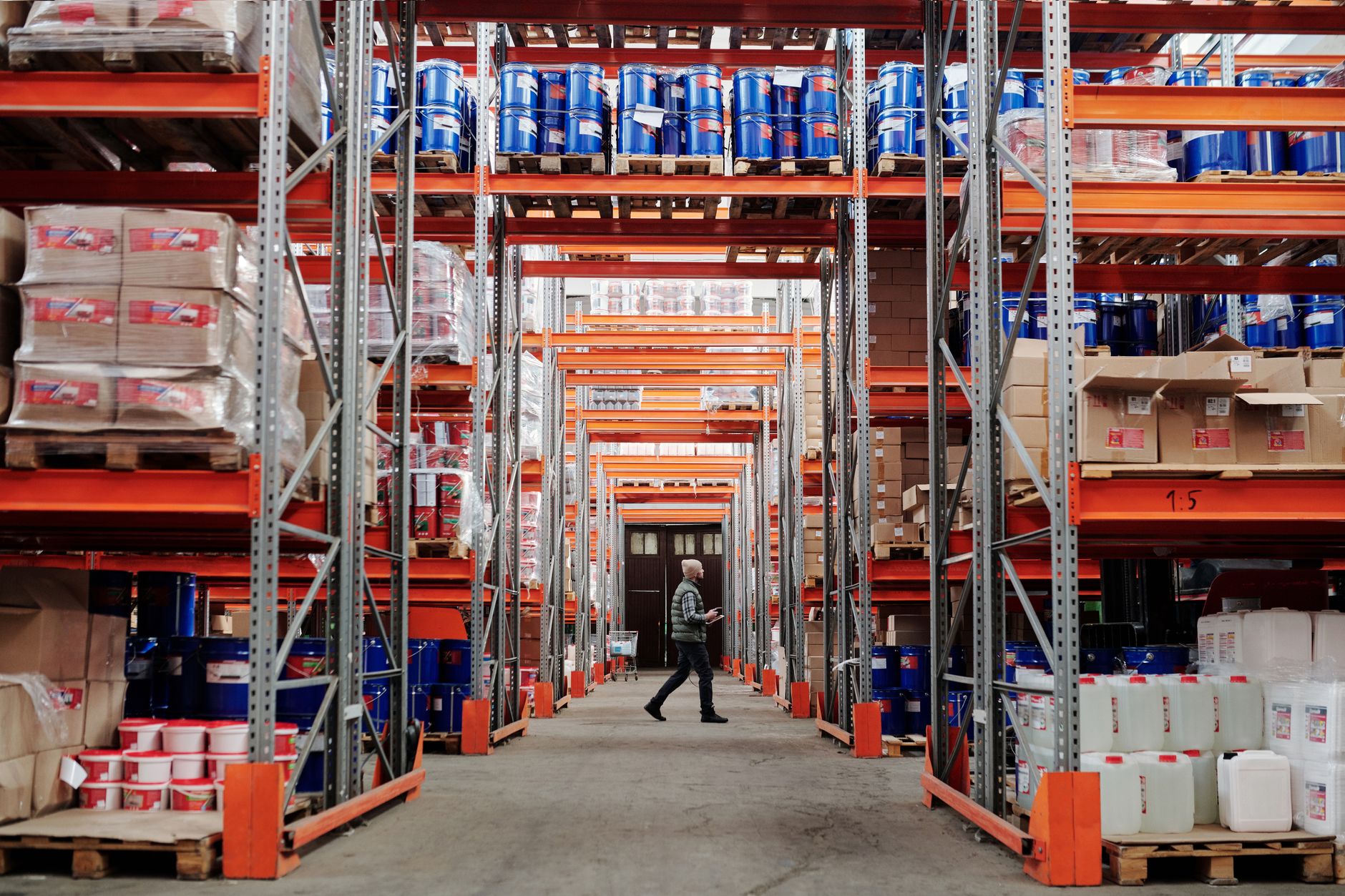
Eight AMRs on warehouse-to-cell loops
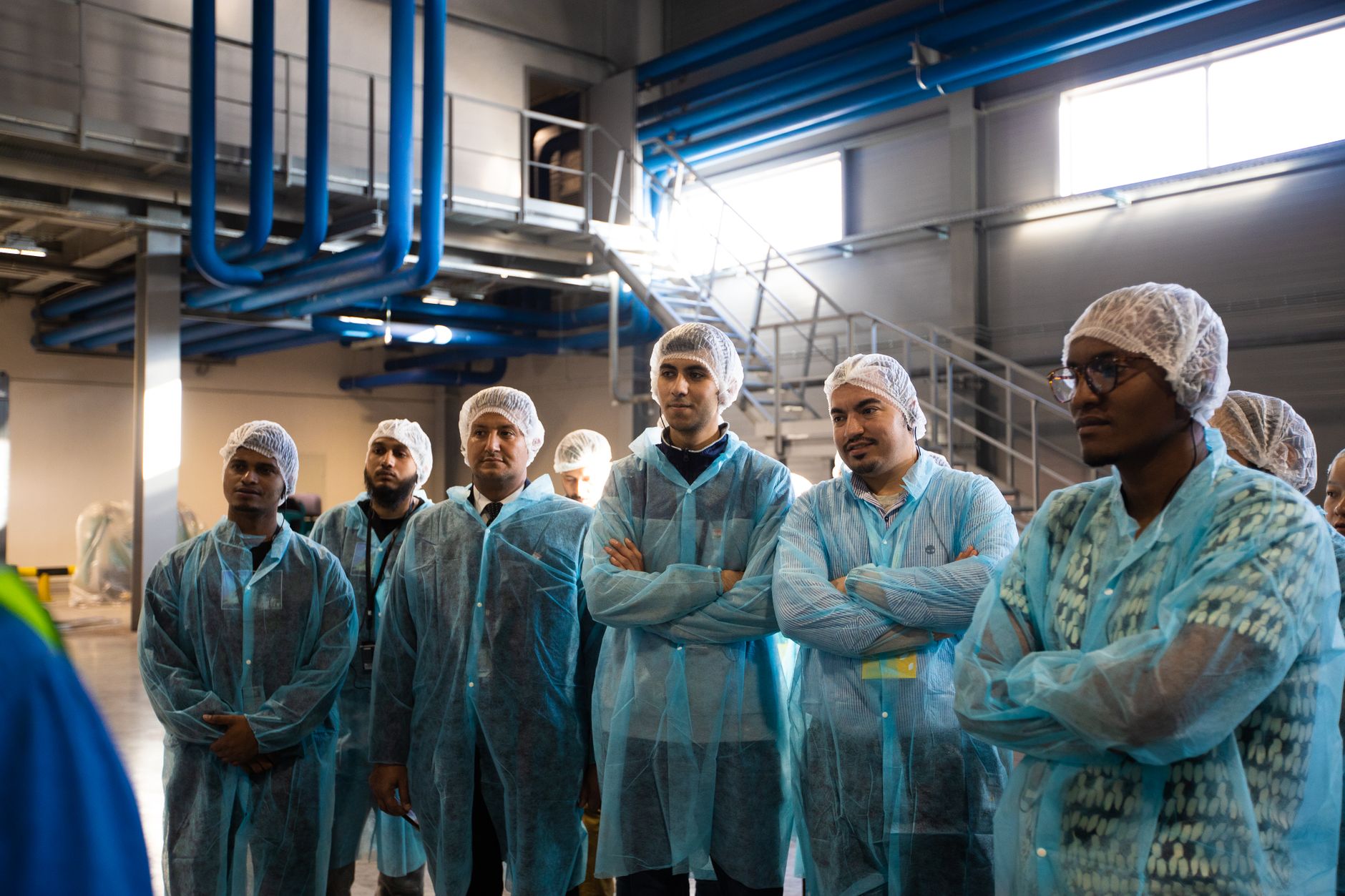
Leadership selected autonomous mobile robots sized for indoor logistics between the warehouse and interior trim work cells. Fleet software coordinated missions so material arrived on call instead of on a fixed cart schedule.
The first deployment covered eight robots on repeatable routes between storage and cells. Teams trained floor leaders to dispatch missions and monitor traffic while keeping existing production systems in the loop.
- Map warehouse and cell handoff points
- Deploy eight AMRs on interior trim routes
- Train supervisors on dispatch and fleet monitoring
- Measure cell footprint and payback before scaling
Fifteen percent smaller cells and eleven-month payback
The supplier reported an eleven-month return on investment from the autonomous material handling project. Work cells shrank about fifteen percent because staging and cart buffers could tighten once robots fed parts predictably.
After roughly eighteen months of operation leadership approved a fifty percent fleet expansion, citing sustained results on the interior systems line. The site treated the project as a template for adding capacity without widening the building.

What tier plants can copy
Dense automotive interiors lines are a strong fit for AMR rental or lease when cart labor blocks assembly and footprint is scarce. Service Robot Co. compares payload, aisle width, and fleet software across vendors, then handles mapping, training, and nationwide service so you pilot one loop before scaling.
A free site assessment can quantify whether eight robots or a smaller starter fleet matches your warehouse-to-cell distance and shift pattern. Month-to-month programs let you prove the eleven-month style payback on your floor before committing capital.