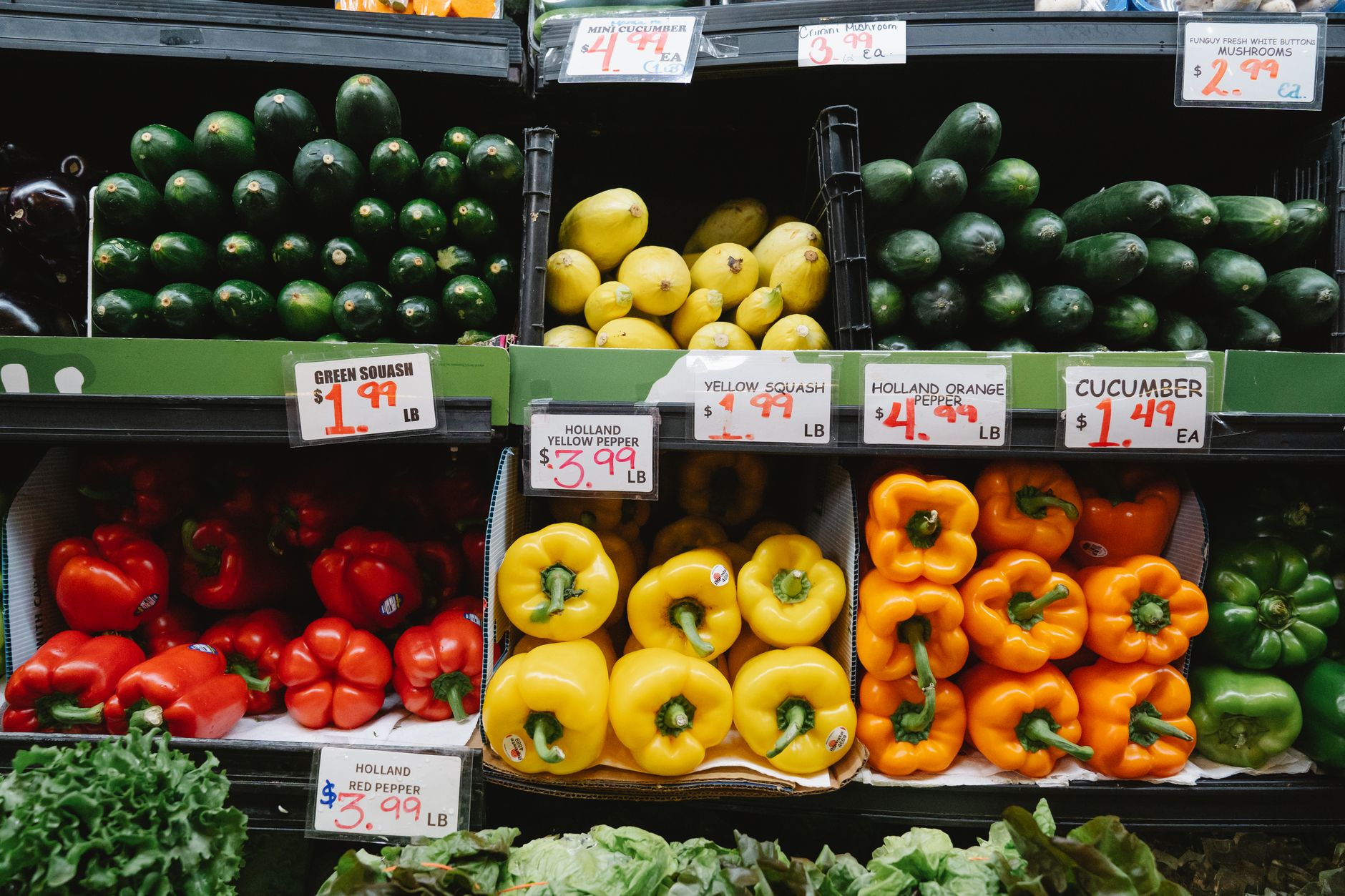
a leading supermarket chain operating stores across Greece
How a Greek Supermarket Chain Cut Manual Floor Cleaning Time 20% With Scrubber Robots
Greek supermarket case: 20% less manual floor cleaning time after a 25-robot scrubber fleet rolled out nationwide in early 2026.
- 20%
- Time cut
- 25
- Robots live
- 9+16
- Fleet mix
- 2026
- Rollout
Based on a documented real-world deployment. Figures are from public reporting; the organization is not named.

Busy aisles with limited cleaning windows
A leading supermarket chain operating stores across Greece needed consistent floor standards while foot traffic, spills, and promotional layouts changed all day. Manual scrubbing pulled associates away from customer service and detail work in back rooms that still needed attention.
Leadership wanted visible modernization without betting the whole network on a single pilot store. Each format had to adopt robots that could run during trading hours in some locations and during quiet periods in others.
The chain also needed a partner model that bundled workstations, training, and support so regional managers could repeat the same playbook store by store.
Mixed scrubber fleet across the network
Between January and May 2026 the chain deployed nine large-format autonomous scrubbers and sixteen compact cleaning robots paired with workstations across its nationwide store base. Installations rolled out in phases so crews could learn scheduling and alarm response before the next site went live.
Large stores used wide-path scrubbers on main aisles while compact units handled tighter produce and service areas. Workstations supported charging and routine care so floor teams could treat robots as fixed equipment rather than ad hoc tools.
Operators used app-based control to adjust routes when temporary displays shifted, keeping autonomous passes aligned with each store layout.
- Phase installs from January through May 2026
- Match large scrubbers to main aisles and compact units to tight zones
- Pair each compact robot with a workstation
- Train store leads on app scheduling before the next opening
- Redirect freed hours to high-priority rooms and customer areas
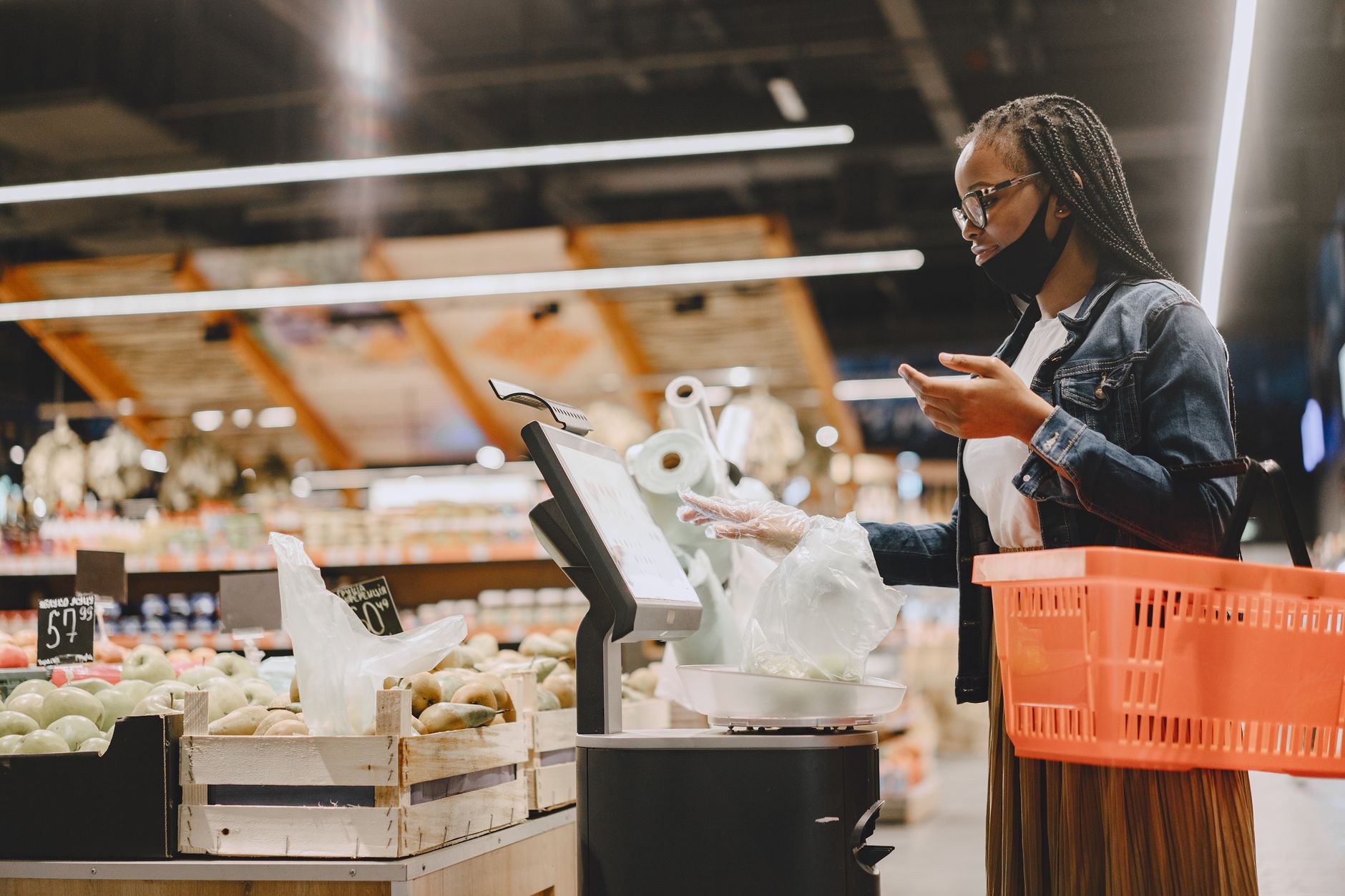
Twenty percent less manual floor cleaning time
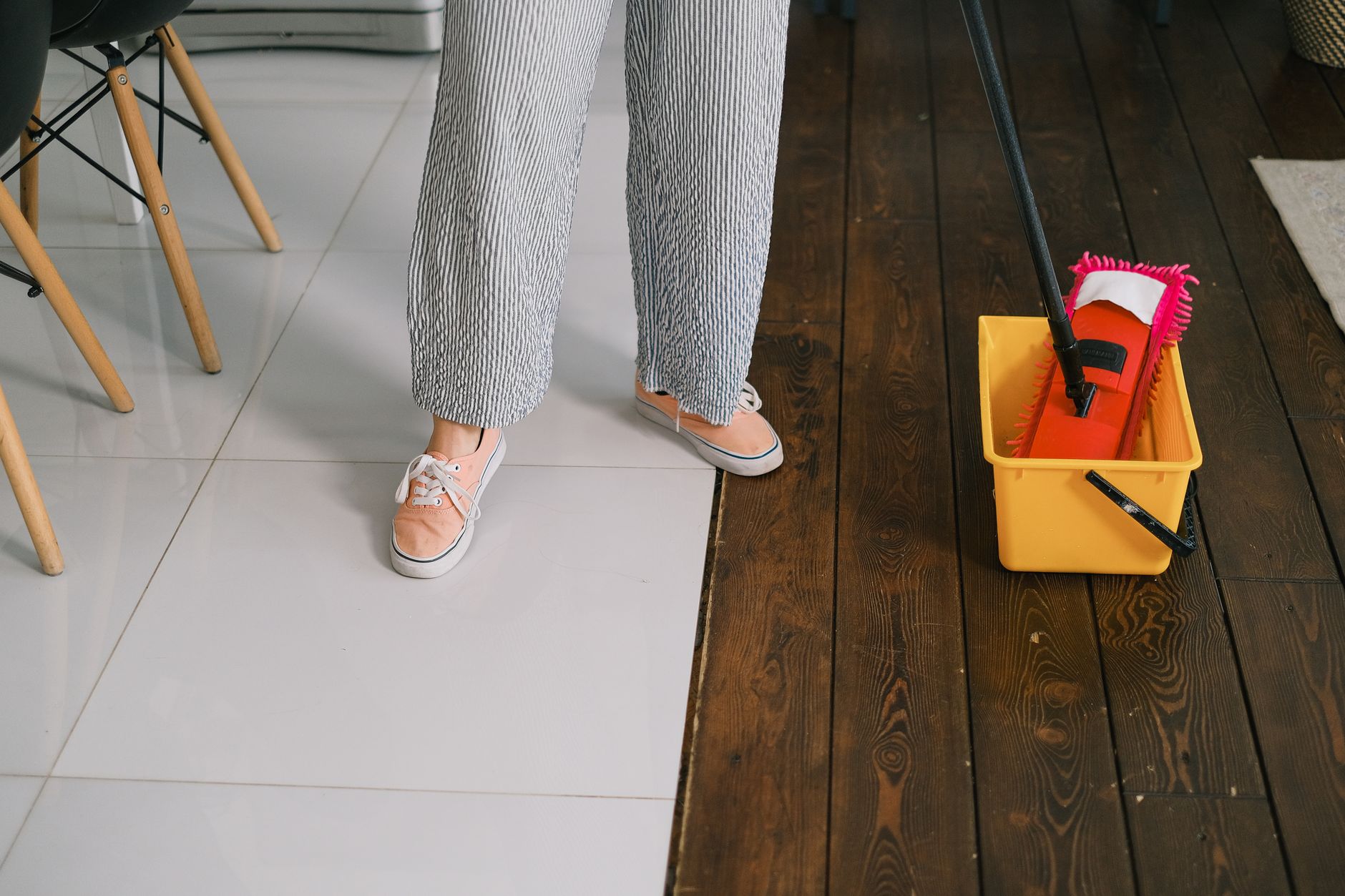
The public case study reports a 20 percent reduction in time staff spend on manual floor cleaning after the fleet went live. Those hours moved to rooms and zones that needed more attention, which leadership ties to higher perceived cleanliness without adding headcount.
Twenty-five robots were in service across the network by the end of the rollout window, mixing nine large scrubbers with sixteen compact units. Staff and shoppers reported improved floor appearance while robots operated during open hours where layouts allowed.
The deployment is described as the first large-scale robotic cleaning program in the Greek supermarket sector, giving the chain a repeatable model for additional stores.
What US grocers can borrow from the pattern
This story is a documented overseas example, not a Service Robot Co. customer claim. The lesson for US operators is familiar: split large and compact scrubbers by aisle width, then measure manual minutes before you scale financing.
Service Robot Co. stays OEM-neutral, maps each store zone, and supports buy or lease financing with training and RoboCare service nationwide. A free site assessment is the practical first step before you commit to a multi-store fleet mix.