a 70-year-old U.S. electrical-component manufacturer
Electrical Grounding Lug Cell Hits 5.6 Seconds per Part at 4.5M Units
A documented electrical-components case study: one robotic production cell replaced two legacy machines, reaching 5.6 seconds per part and 4.5 million units of annual capacity.
- 5.6 sec
- Cycle per part
- 4.5M/yr
- Unit capacity
- 2 yr
- ROI cited
- 1 cell
- Replaced two lines
Based on a documented real-world deployment. Figures are from public reporting; the organization is not named.
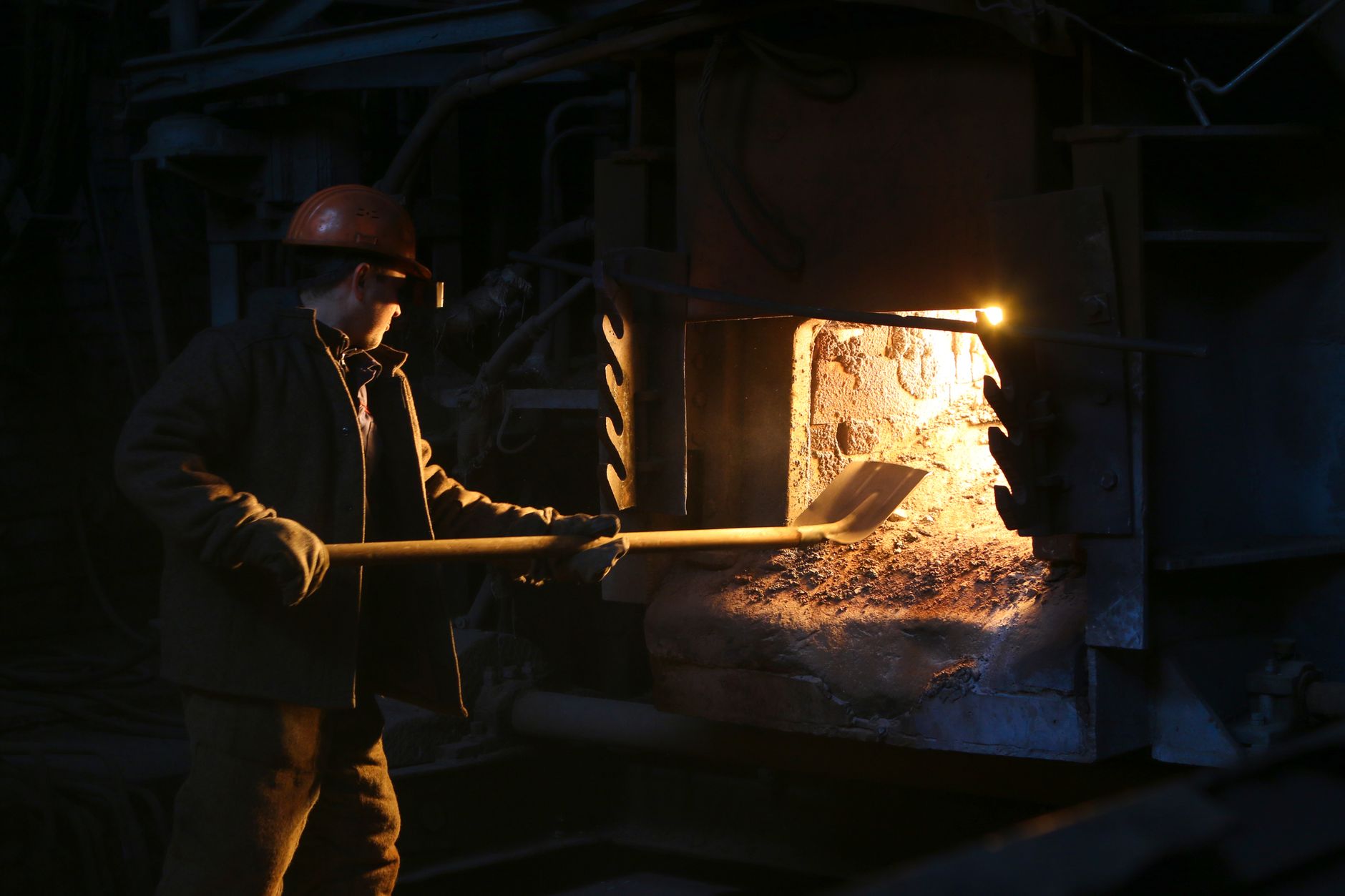
Surging lug demand on tired equipment
This 70-year-old U.S. electrical-component manufacturer builds connectors and grounding hardware that show up in appliances, vehicles, and utility gear. Grounding lug orders were climbing while legacy drill and cut equipment grew expensive to maintain and slow to run.
Leadership wanted to reshore extruded aluminum lug production, cut dependence on overseas supply, and still meet UL and CSA expectations. Repetitive manual handling also raised ergonomics and staffing pressure on a line that needed more volume, not more bodies.
- Aging machines with rising maintenance cost
- Need to boost grounding lug output domestically
- Safety and ergonomics on repetitive metal work
One magazine-fed drill, tap, stamp, and cut cell
An integration partner ran a facility assessment, stakeholder interviews, and ROI training before sizing a custom linear transfer cell. The chosen design feeds 14-foot aluminum extrusions from a six-bar magazine along a rail into sequential drill, tap, stamp, and cut stations with minimum-quantity coolant control.
The cell replaced two older industrial machines plus manual magazine loading with a compact footprint sized for lights-out runtime. A semi-custom operator interface and remote diagnostics give floor staff simpler runs while leadership sees live operational data.
- On-site scoping against SKU mix and cycle targets
- Magazine-fed extrusion loading for hands-off infeed
- Integrated safety interlocks around the transfer line
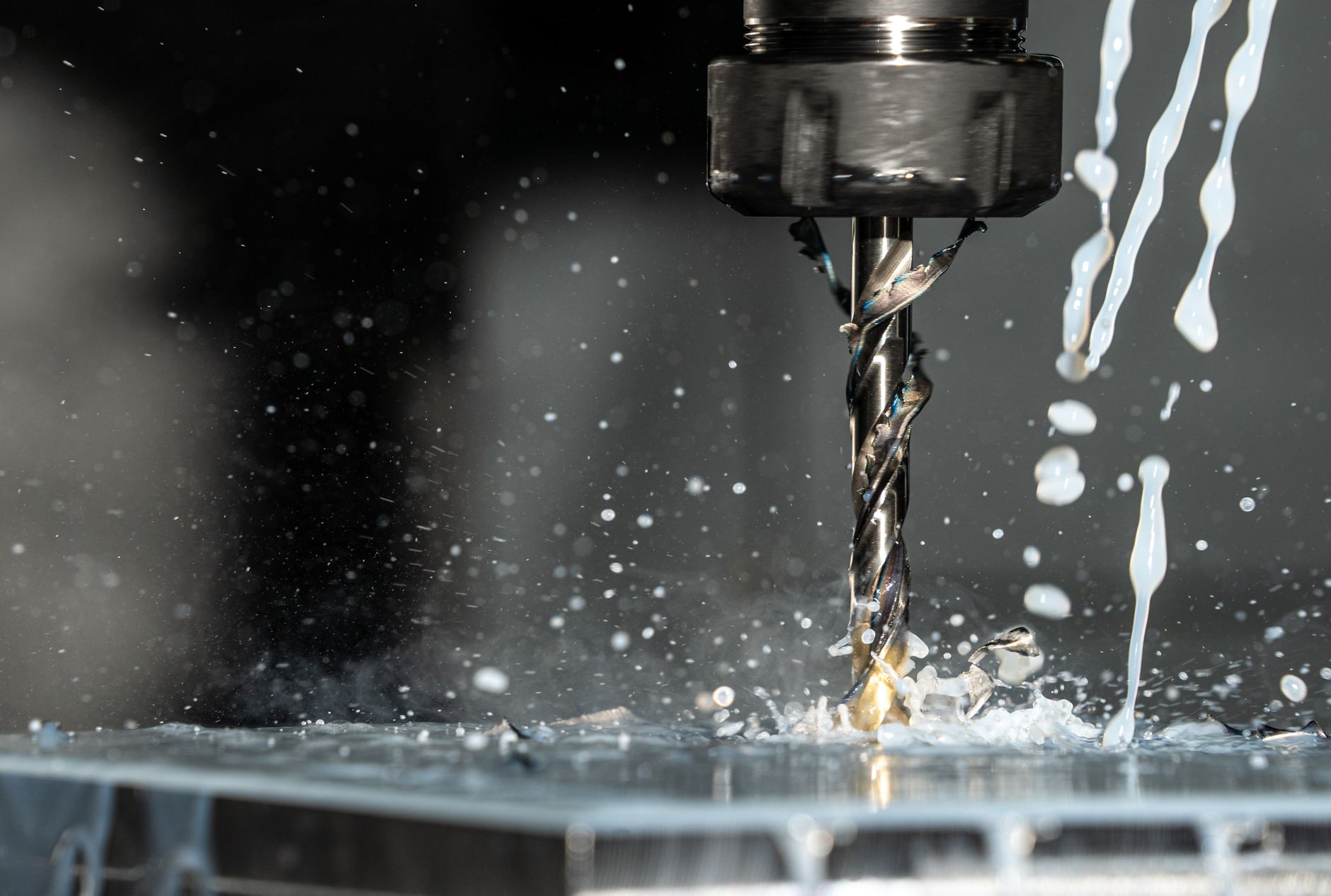
Throughput, footprint, and payback
The documented cell runs about 5.6 seconds per part and supports more than 4.5 million grounding lugs per year at capacity. It consolidated two legacy machines and several manual steps into one operator-led process with higher unattended runtime.
The manufacturer projected full return on the investment within two years, with revenue beyond that window. Cycle times on key SKUs dropped enough to answer customer volume requests while improving ergonomics on what had been a tedious hand process.
What this pattern means for integrator support
This study is a documented industry example, not a Service Robot Co. client claim. It shows how a mid-size fabricator can justify robotic production cell rental or purchase when legacy metalworking lines cap growth.
Service Robot Co. stays OEM-neutral on machine tending and end-of-line robotics, then handles lease paperwork, integrator coordination, training, and nationwide service dispatch as one vendor. A free site assessment can compare retrofitting one cell versus a phased plant rollout before you commit to monthly robot rental or a buyout path.