
a healthcare campus running a six-machine cleaning robot fleet
A Healthcare Campus Cleaning Robot Fleet Frees About Three Hours a Night
Over 60 days, a six machine cleaning robot fleet at a healthcare campus freed about three hours a night for detail work on high touch areas and ledges.
Deployment at a glance
- 6
- cleaning robots run as one fleet at a healthcare campus
- 60 days
- period over which the fleet was tracked
- 3 hours
- per night moved to detail cleaning work
- 0.5 to 1 lb
- average dust collected each week, as recorded
Based on a documented real-world deployment. Figures are from public reporting; the organization is not named.
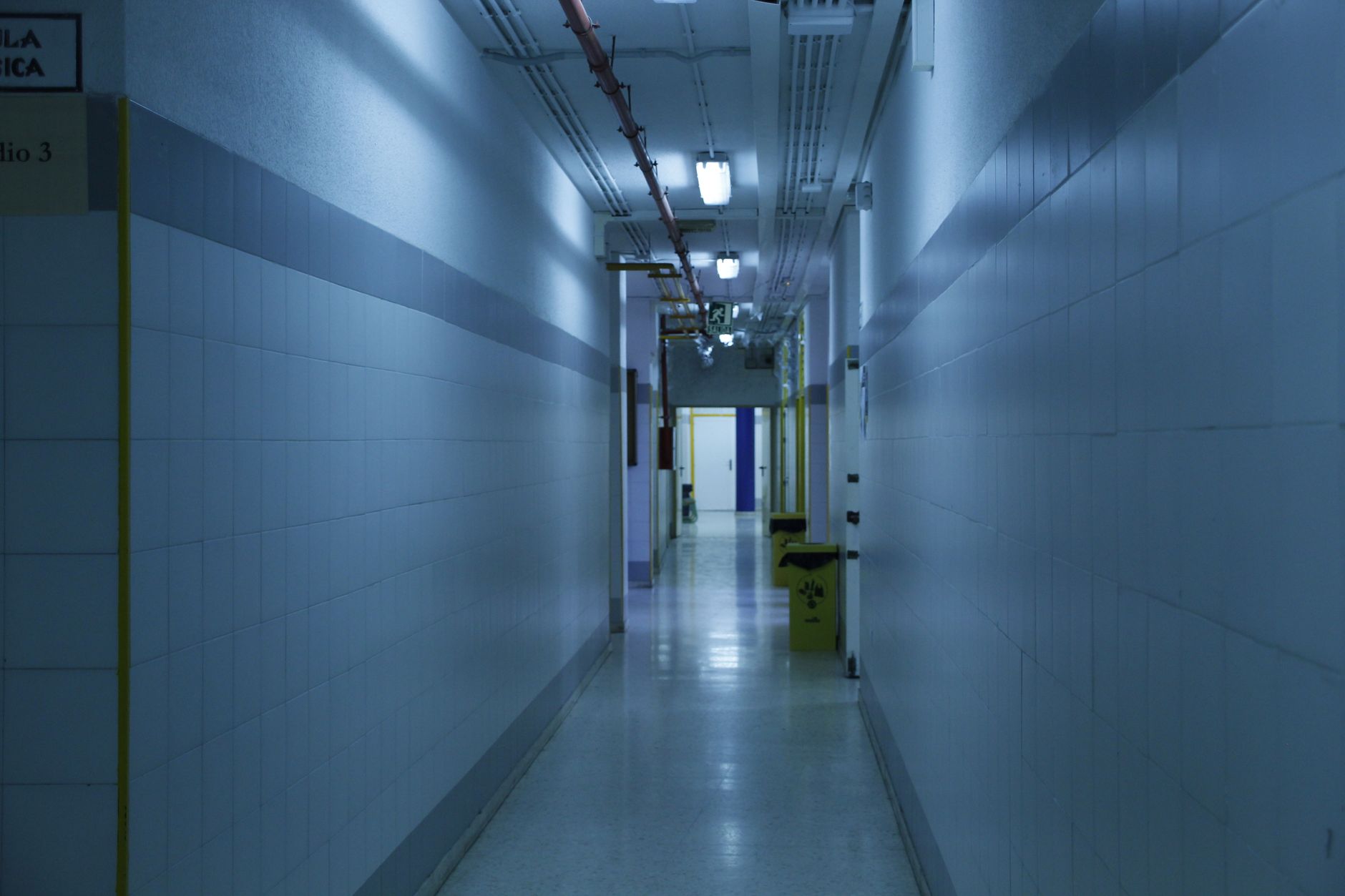
Night floor work had to keep pace with a large campus
A healthcare campus carries a great deal of floor area, and most of it has to be ready before day staff arrive. Corridors, waiting areas and support spaces need regular floor care, and the same crew that handles that work is also expected to attend to the detail jobs that keep a clinical setting presentable.
Detail work is where the squeeze shows. High touch surfaces, ledges and the small areas that a routine pass skims over need hands on attention, and when a night crew spends its hours on large floors, that detail work tends to get pushed aside.
- Large floor areas that must be ready before day shift
- High touch surfaces and detail ledges that need hands on attention
- A limited number of night hours for routine floor care and detail work alike
Six machines run as one fleet and are tracked for 60 days
The campus put six robot cleaners into service as a single fleet, and the deployment was monitored over 60 days. The machines took over the routine floor passes that overnight staff had been covering by hand, which left people free for work that calls for closer attention.
Tracking across the full period made it possible to measure how much time actually moved. The results that follow reflect that window at this one campus, not a forecast for every site with a similar floor plan.
- Six robot cleaners operated as one fleet
- Routine overnight floor passes handed to the robots
- Fleet performance monitored over a 60 day period
- Staff redirected to detail cleaning of high touch areas and ledges

About three hours a night moved to detail work
Over the 60 days tracked, staff were reallocated about three hours per night to higher value detail work. That time went to cleaning high touch areas and detail ledges, the kind of tasks a floor machine passing through a corridor cannot reach.
The fleet also collected dust. Across the tracked period the robots picked up an average of 0.5 to 1 pound of dust each week, a figure recorded at this campus. Taken together, the two measures show routine floor work carried by the machines while people concentrated on the surfaces where cleanliness is most noticed.
What this kind of fleet means for a facility team

Service Robot Co. is a full service, vendor neutral commercial robot integrator for US businesses. We select the right robots across manufacturers, then finance, deploy, integrate, train and service every unit through a nationwide US engineer network, so one partner covers the whole lifecycle.
For a campus weighing a fleet like this, the practical path starts with a site assessment and a lease quoted after it. We lease robots on a three year term with one fixed payment, and a single leased unit is often a sensible first step before a wider rollout. The number of machines and where they run should follow the floor plan, not a headline figure.
Frequently asked questions
Want a robot working for you?
Tell us the job and the site. We will recommend the robot, quote the lease, and keep it serviced.