
a healthcare facility with a 50,000 sq. ft. floor area
A Healthcare Facility's Night Floor Care Moves to Two Autonomous Scrubbers
A 50,000 sq. ft. healthcare facility moved overnight floor care to two autonomous scrubbers, with night labor hours falling from 16 to 5 by supplier count.
Deployment at a glance
- 16 to 5
- Total labor hours per night, supplier reported
- 3 to 2
- Floor care team size, before and after
- 8 to 5
- Hours until floors were finished, supplier reported
- 8:30pm
- Scrubbers start, running until about 2am
Based on a documented real-world deployment. Figures are from public reporting; the organization is not named.
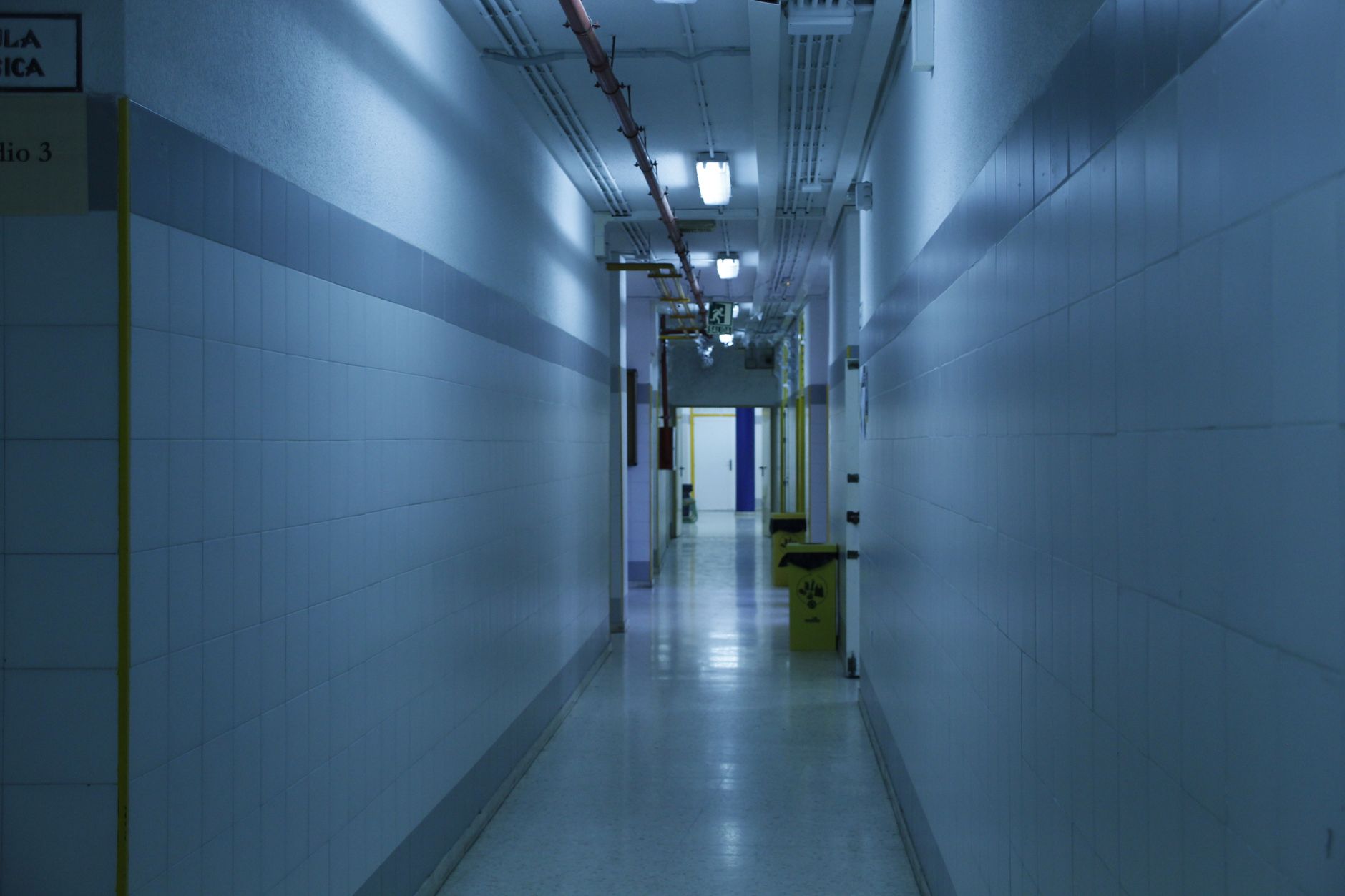
Night floor work that ran on people's hours
A healthcare facility with a 50,000 sq. ft. floor area depended on a floor care team of three to keep its large, hard surfaces clean. Scrubbing that area by hand took a heavy share of the team's night, and the hours went into the same repeating pass.
Repetitive work on a large floor carries a quieter cost. It ties people to the hours when the building is emptiest, and it leaves less of the shift for tasks that call for judgment and skilled hands.
Two autonomous scrubbers on a night window
The facility brought in two autonomous floor scrubbers to take over the repetitive scrubbing. Their run window began around 8:30pm and continued until roughly 2am, so the floors were worked while the building was quiet.
The change did not remove the floor team. It moved from three people to two, and the technician who was freed could be assigned to other tasks, which is the practical point of pairing a scrubber with the people already on staff.
- Introduce two autonomous floor scrubbers for the repetitive scrubbing
- Run the scrubbers on a night window from about 8:30pm to about 2am
- Reassign the freed technician to other tasks
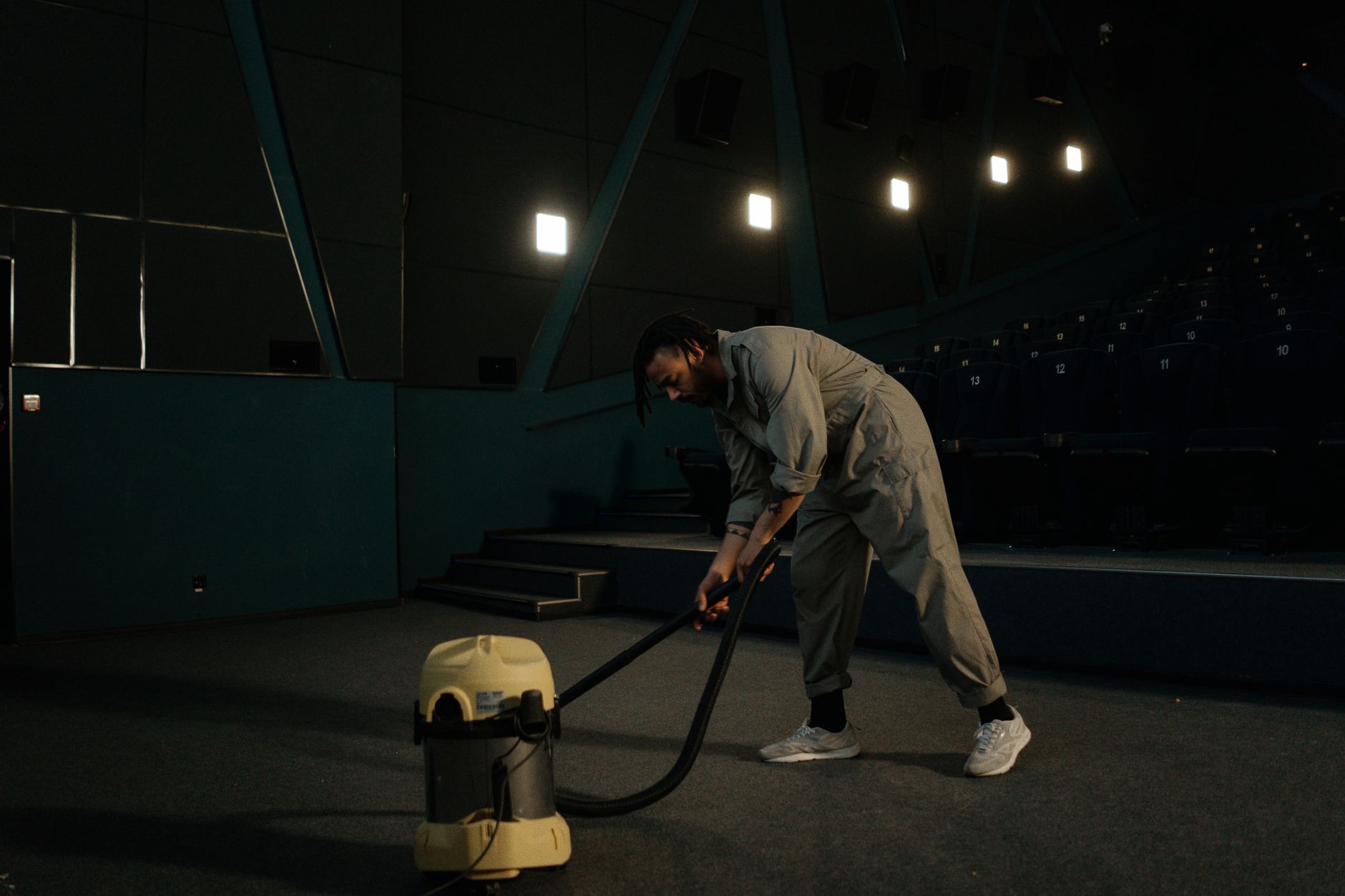
Night labor fell from 16 hours to 5
According to the supplier's figures, total labor hours per night fell from 16 before the change to 5 with the scrubbers in place, eleven fewer hours each night. The floor team itself went from three people to two.
Time until the floors were finished also fell, from 8 hours to 5. With the scrubbers working from about 8:30pm to 2am, the cleaning ran through the quiet hours of the night.
The supplier presents these as its own reported figures for this deployment. The hours that freed up are the part a facility should trace in its own schedule, because their value depends on what the freed technician is then asked to do.
What a night floor program asks of a buyer

Service Robot Co. is a full service, OEM neutral commercial robot integrator for US businesses. We select the right robots across manufacturers, then finance, deploy, integrate, train and service each unit through a nationwide US engineer network. The questions in this study are the ones we work through with any facility weighing floor scrubbers: floor layout, the hours the building is quiet, and who takes the freed time.
Customers take a robot on through a lease. Service Robot Co. provides commercial robot leasing with a lease running three years and one fixed payment, quoted after a site assessment, so the floor, the schedule and the service needs are settled before a number is set. That keeps an autonomous floor scrubber lease tied to the real footprint rather than to a guess.
Service continues across the lease through the same US engineer network. When a unit needs attention at 2am, the question is who answers, and that is the part a facility should settle before the first night run.
Frequently asked questions
Want a robot working for you?
Tell us the job and the site. We will recommend the robot, quote the lease, and keep it serviced.