
a healthcare network running its facility floor care overnight
A Healthcare Network's Overnight Floor Care Moves to Autonomous Scrubbers
How a healthcare network moved overnight floor care to two autonomous scrubbers, cutting nightly labor from 16 to 5 manhours (vendor-reported).
Deployment at a glance
- 16 to 5
- Nightly floor-care manhours, vendor-reported
- 3 to 2
- Cleaning crew size, vendor-reported
- 8 to 5 h
- Hours to a finished clean, vendor-reported
- 50,000
- Sq ft covered autonomously per night, vendor-reported
Based on a documented real-world deployment. Figures are from public reporting; the organization is not named.
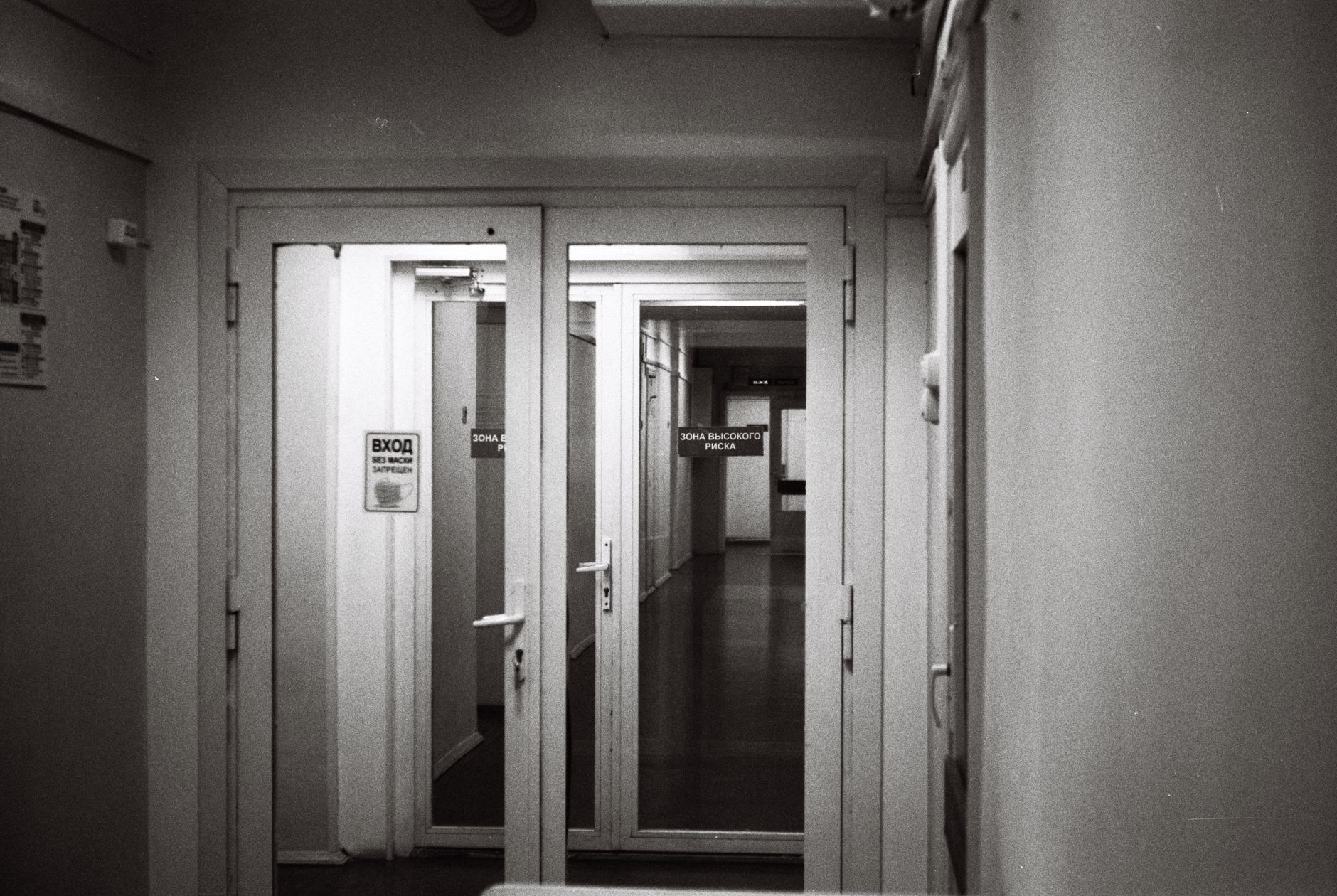
Floor care that ran into the night
Floor care in a large healthcare facility rarely waits for a convenient hour. Corridors and shared areas have to be finished before the day arrives, and the work happens while the building is still busy around it.
For this network, the nightly job absorbed about 16 manhours of labor. A crew of three carried it, and a finished clean took around 8 hours from start to end, all of it inside the overnight window.
The pressure was structural. The same crew had to cover the same floor on the same schedule, night after night, and the overnight hours left little slack for anything else.
- About 16 manhours of floor-care labor each night
- A crew of three people
- About 8 hours from start to a finished clean
Two scrubbers and one technician reassigned
The network put two autonomous floor scrubbers on the overnight route, with the night shift autonomous scrubber run from about 8:30 pm until about 2 am. The machines did the bulk of the floor work while the building settled into its quietest hours.
Ahead of the scrubbers, one floor technician dry-mopped the surface so the machines had a clear run. That step still needed a person, and it stayed on the crew.
The second technician was freed for other tasks, and the crew came down from three people to two. Autonomous coverage reached roughly 50,000 square feet a night, according to the vendor account.
- Two autonomous floor scrubbers ran from about 8:30 pm to about 2 am
- One technician dry-mopped ahead of the scrubbers
- The second technician moved to other tasks

What the deployment reported
Nightly floor-care labor fell from 16 manhours to 5, eleven fewer manhours on each shift. The crew went from three people to two, and time to a finished clean dropped from 8 hours to 5.
The scrubbers covered roughly 50,000 square feet a night autonomously. Taken together, the labor, headcount, time and coverage figures describe a floor-care operation that no longer depended on a full crew for every task.
Every figure here is vendor-reported. Read them as the supplier's account of one deployment, and measure your own manhours and cleaning time before drawing conclusions for another building.
Where a floor scrubber lease fits

Service Robot Co. is a full-service, OEM-neutral commercial robot integrator for US businesses. We select the right robots across manufacturers, then finance, deploy, integrate, train and service every unit through a nationwide US engineer network, so one partner, one number covers the whole lifecycle.
We lease robots only, through financing on a 3-year lease. A facility weighing an autonomous floor scrubber lease receives one fixed lease quote after a site assessment, and our robot lease options are set only after floor layout, traffic, the overnight schedule and crew hours have been measured.
Vendor-neutral selection matters for overnight floor care because the scrubber that suits a corridor-heavy building may not suit an open warehouse floor. Comparing options across makers, then handling robot deployment and integration, training and go live support in one place, keeps the floor team from managing a robot alone.
Frequently asked questions
Want a robot working for you?
Tell us the job and the site. We will recommend the robot, quote the lease, and keep it serviced.