
a large family-style restaurant in the Philippines running multiple dining halls with coordinated delivery robots
How a High-Volume Restaurant Delivered 500 Trays Across 10 Kilometers Daily
Restaurant case study: one delivery robot logged 500 trays and about 10 kilometers of travel in eight-hour shifts at a large Philippines family dining hall.
- 500
- Daily trays
- 10 km
- Daily travel
- 8 hr
- Shift length
- 11
- Robot fleet
Based on a documented real-world deployment. Figures are from public reporting; the organization is not named.
Covers outran carrying capacity
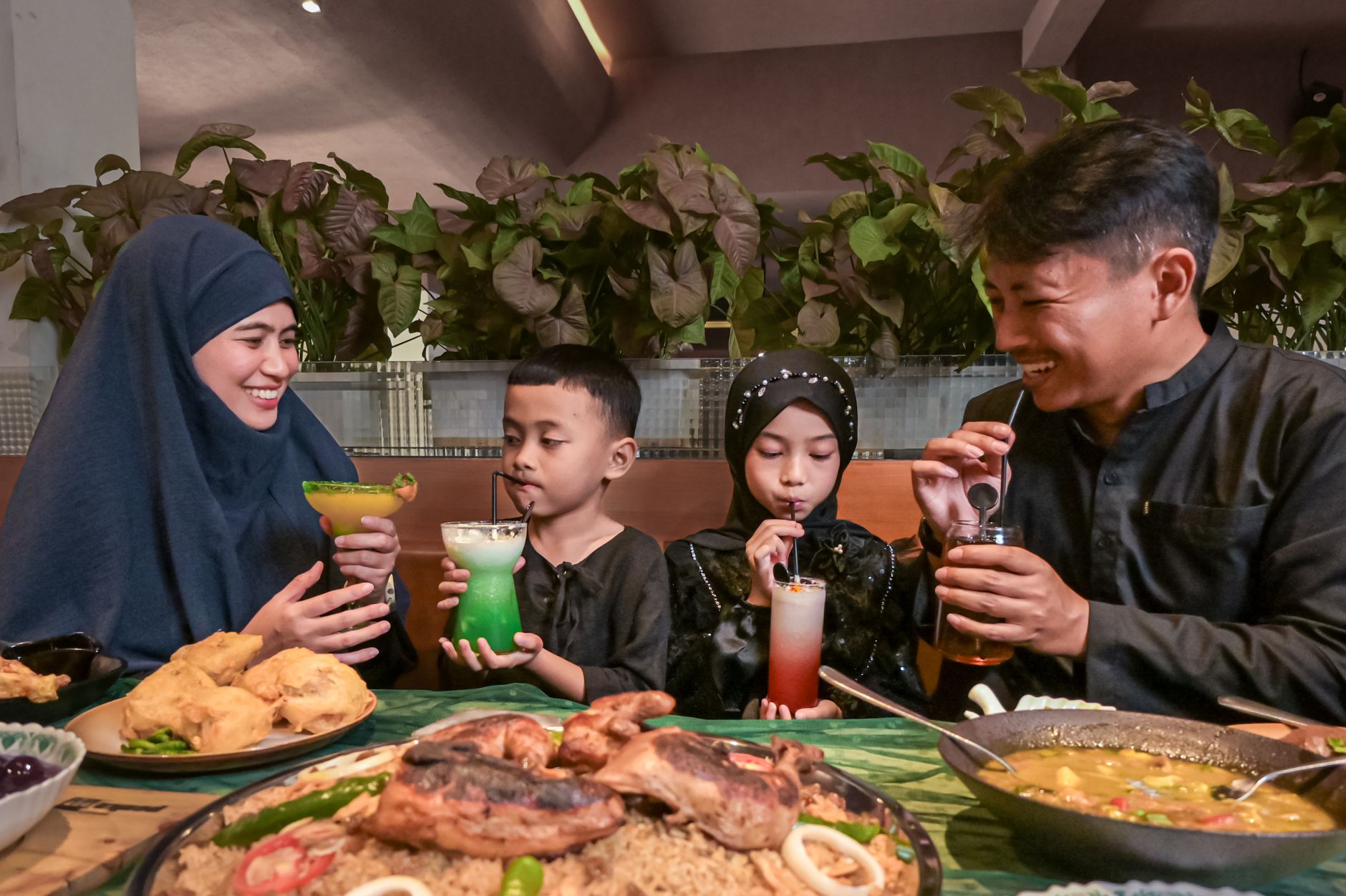
The dining halls spread guests across a large footprint, so every hot dish depended on servers walking long interior paths during peak meals. Staff shortages made it harder to keep tray runs off the same people handling greetings, upsells, and allergy questions.
Managers needed a way to move weight on mapped routes without treating robots as a one-off novelty. They also wanted recorded operating data finance could use when sizing a fleet instead of guessing from covers alone.
- Peak lunch and dinner stacks overlapped tray runs.
- Servers split time between hospitality and long interior walks.
- Leadership wanted measurable daily tray and mileage logs.
Mixed delivery fleet on mapped aisles
The operator introduced a coordinated fleet of eleven delivery units, pairing a guest-facing premium runner with classic multi-mode carriers sized for heavy trays. Each unit used obstacle sensing to stay in aisles while staff trained on handoff points at the kitchen pass.
Teams treated recorded tray counts and travel distance as weekly review metrics, not vanity stats. That discipline helped them see when one hall needed another active unit versus better queue timing at the pass.
- Eleven delivery robots deployed across dining halls.
- Kitchen pass handoffs trained before peak service.
- Daily tray and mileage logs reviewed with shift leads.
- Obstacle-aware routing kept units in mapped aisles.
Published tray and mileage counts
The public integration write-up reports one premium delivery unit operating eight hours a day while navigating about ten kilometers and delivering five hundred trays. Those figures come from the documented Philippines deployment, not a guarantee every US site will match them on week one.
The same source positions the fleet as addressing high customer volume and overworked floor staff, which is the operational story behind the numbers. Mileage makes the invisible walking visible even when tray counts look modest compared with mega-fleet installs elsewhere.
What US operators can borrow
This is a documented Philippines deployment, not a Service Robot Co. customer story. It still shows how tray and kilometer logs help right-size food delivery robots before adding units.
Service Robot Co. helps US restaurants compare runner types, financing paths, and rollout phasing against footprints like this one. We select OEM-neutral hardware, deploy and train on your aisles, and keep units running through RoboCare after routes are live.