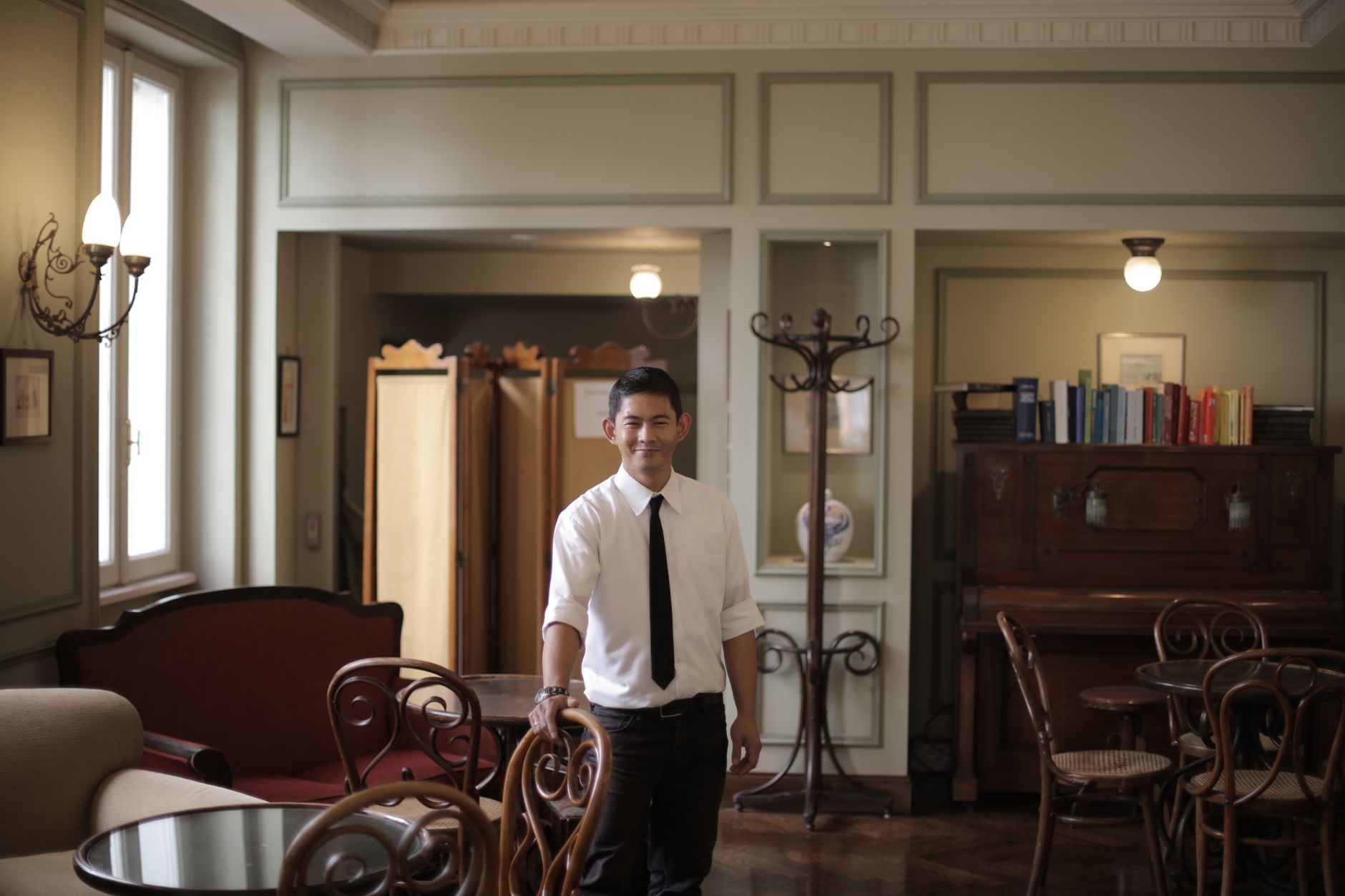
a large full-service restaurant in Taiwan operating a sixteen-unit coordinated runner fleet
How a High-Volume Restaurant Ran 1,100 Daily Robot Deliveries Across 59,643 Meters
Restaurant case study: sixteen food-runner robots logged 1,100 daily deliveries and about 59,643 meters of travel at a high-volume Taiwan dining site.
- 1,100
- Daily runs
- 59,643 m
- Travel logged
- 16
- Runner units
- Fleet
- Coordination
Based on a documented real-world deployment. Figures are from public reporting; the organization is not named.
Peak covers broke the floor plan
The dining room handled enough simultaneous covers that servers lost guest time to long tray routes between kitchen and tables. A single runner could not bus and deliver in parallel, so the pass backed up whenever one machine returned from the far side of the room.
Leadership wanted a mapped fleet large enough to move multiple orders at once without hiring a runner for every aisle.
Scale to sixteen mapped runners
The operator deployed sixteen food-runner units across the dining layout so hot food and bussing could run on separate machines. Units queue in tight aisles, yield at pinch points, and choose the fastest mapped path instead of a single fixed loop.
Expo staff load trays at a home station while supervisors watched daily delivery totals and distance in the operations dashboard during rollout.
- Map kitchen pass, dining aisles, and dead zones before the first live service.
- Split bussing and food-running roles across dedicated units at peak.
- Train expo on tray securement and send timing at the pass.
- Review daily delivery counts by lunch and dinner to tune fleet size.
Reported daily volume and travel
The public deployment write-up cites 1,100 daily deliveries and about 59,643 meters of travel across the sixteen-unit fleet. Those figures are supplier-reported operating data from the documented case, not an independent audit, but they show the scale a large dining room can place on interior transit.
Managers described smoother pass flow and more consistent guest contact because servers stayed on the floor instead of walking long interior routes during rush.
What US operators can benchmark
This is a documented Taiwan deployment, not a Service Robot Co. customer story. It still clarifies when a single runner is too small and a coordinated fleet is the right floor-plan decision.
Service Robot Co. selects runner platforms across manufacturers, finances buy or lease paths, maps dining rooms with your team, and supports fleets nationwide under RoboCare. A four-unit pilot on your busiest night often proves whether your pass can feed parallel runners before you approach sixteen.