
a Hong Kong cold-chain logistics provider running robots across three temperature zones
A Hong Kong Cold-Chain Provider Automates Cold Storage With AMRs: Vendor Results
How a Hong Kong cold-chain provider converted a warehouse to automated cold storage with AMRs, and how its vendor-reported evaluation rated results.
Deployment at a glance
- 53 of 68
- evaluation criteria met expectations, vendor-reported
- 15
- remaining criteria rated as noticeable enhancement
- 2 areas
- fulfillment speed and labor efficiency exceeded expectations
Based on a documented real-world deployment. Figures are from public reporting; the organization is not named.
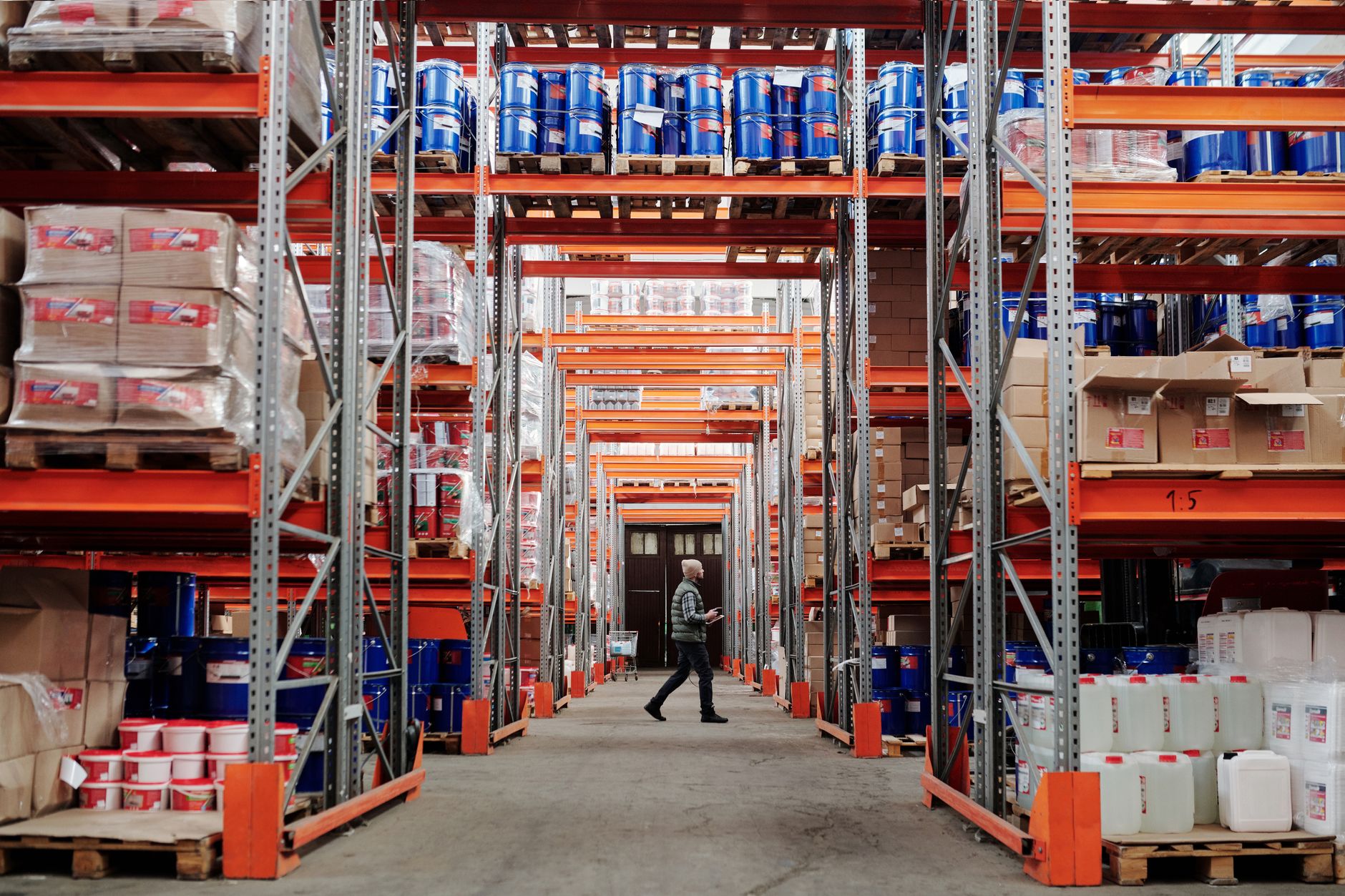
Speed and labor pressure inside cold storage
Cold storage is one of the least forgiving places to run a warehouse. Every pick, pallet move and inventory check happens against a temperature threshold, and every extra minute spent in a cold room is a minute people spend in harsh conditions.
For a Hong Kong cold-chain logistics provider running robots across three temperature zones, the question was how to keep orders moving quickly while labor efficiency held up. The operator's evaluation later centered on those two pressures: order fulfillment speed and labor efficiency.
From a converted warehouse to an automated cold store
The project began with an existing Hong Kong warehouse that was converted into an automated cold storage facility. Rather than relying on a single robot type, the layout combined cold-store AMRs with low-temperature 4-way shuttles and vertical lift modules, so much of the movement between storage and picking could run on equipment.
The supplier's announcement describes the mix as a way to add precision to cold-chain handling. The operator then assessed the operation against 68 evaluation criteria, and its plans included further automated storage systems beyond the first phase.
- Convert an existing Hong Kong warehouse into an automated cold storage facility
- Deploy cold-store AMRs for goods movement between zones
- Add low-temperature 4-way shuttles and vertical lift modules for storage and retrieval
- Evaluate the operation against 68 criteria
- Plan further automated storage additions after the first phase
What the operator's evaluation reported
According to the supplier's announcement, the operator rated 53 of 68 evaluated criteria as achieving expectations, and the remaining criteria as showing a noticeable enhancement. These are vendor-reported figures, and they reflect the operator's assessment as relayed by the supplier.
Order fulfillment speed and labor efficiency were the two areas reported as exceeding expectations. They are the outcomes to watch when weighing a similar project, and they give a buyer clearer questions to bring to a site visit.
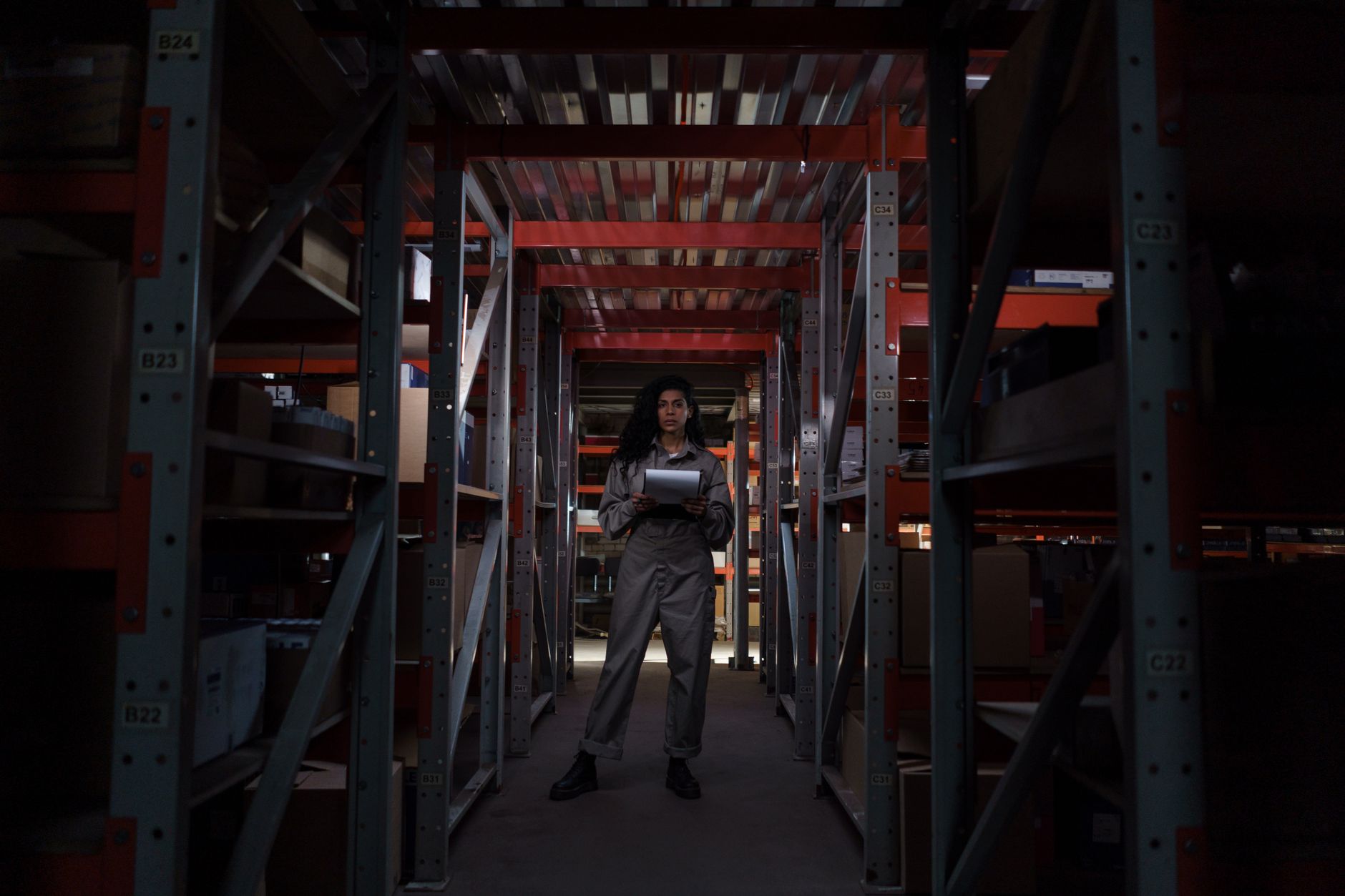
What this means for US cold storage operators
Service Robot Co. is a full-service, OEM-neutral commercial robot integrator for US businesses. We select the right robots across manufacturers, then finance, deploy, integrate, train, and service every unit through a nationwide US engineer network, so one partner handles the whole lifecycle. Service Robot Co. did not run this Hong Kong deployment. We cite it as a documented example to illustrate what cold storage automation can involve.
A US cold storage operator weighing AMRs faces the same core questions this operator faced: which robots fit which zones, how the storage layout changes, and how the system stays running. Service Robot Co. offers robot leasing on a 3-year lease, with one fixed payment quoted after a site assessment. That assessment is where the robot mix, the temperature zones and the storage layout get matched.
Frequently asked questions
Want a robot working for you?
Tell us the job and the site. We will recommend the robot, quote the lease, and keep it serviced.