
a hospital network's night-shift cleaning team
A Hospital Network's Night Cleaning Crew Cuts Manhours From 16 to 5
A hospital network's overnight floor care crew, two autonomous floor scrubbers, and manhours falling from 16 to 5 per night, as the supplier reports.
Deployment at a glance
- 16 to 5
- Total night-shift manhours, before and after
- 3 to 2
- Floor care crew cut from three people to two
- 8 to 5 hours
- Time elapsed until the floors were clean
- 50,000 sq ft
- Floor area covered autonomously in the overnight window
Based on a documented real-world deployment. Figures are from public reporting; the organization is not named.
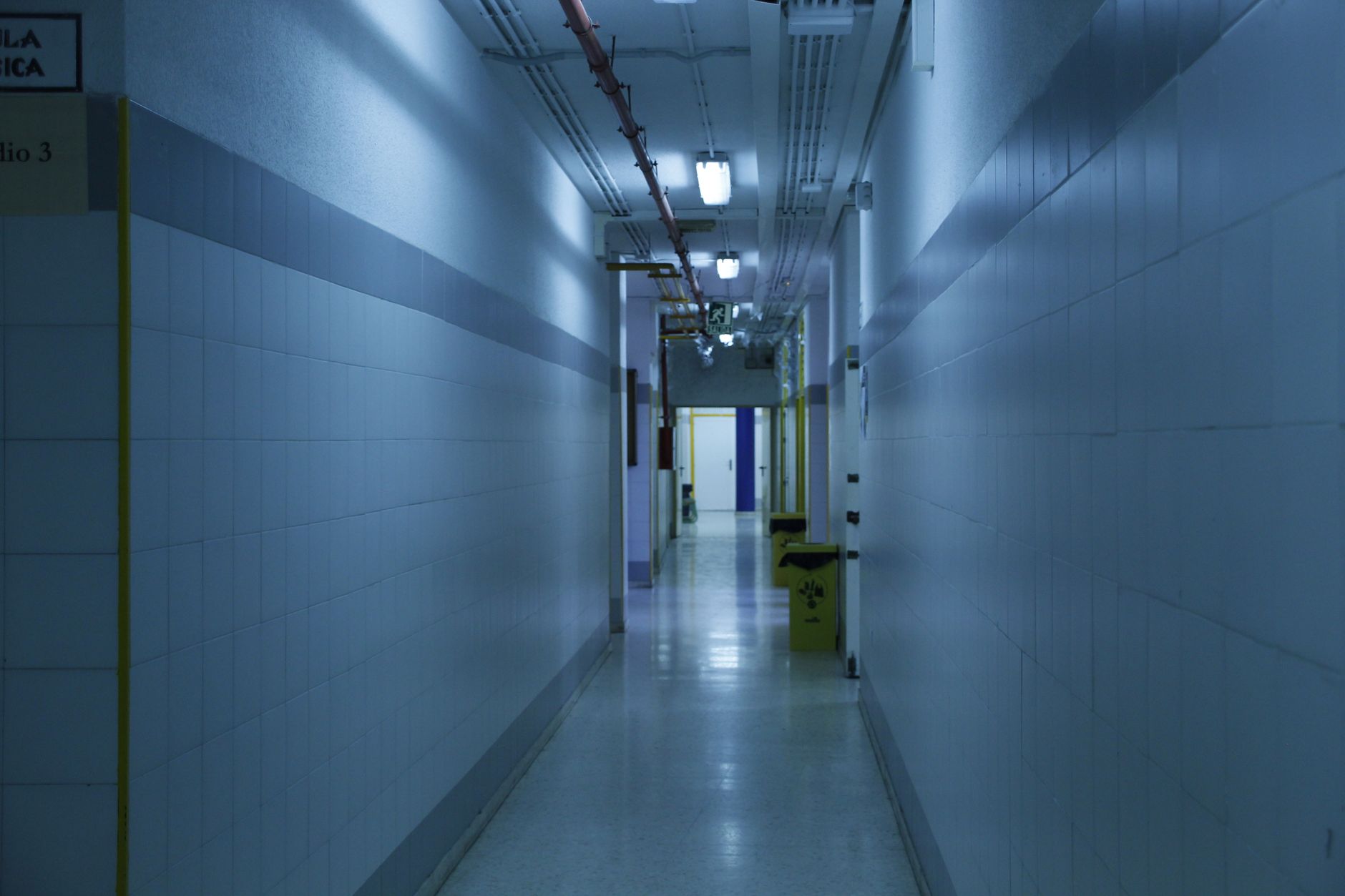
A thin overnight labor pool
Night floor care in a hospital runs against the grain of staffing. Corridors, bays and public areas still need cleaning after the day team has gone, yet the people available after dark are fewer and harder to keep.
This network's night-shift crew had three people covering the floors. Open shifts and high turnover left gaps, and every gap pushed work onto whoever remained. Floors took eight hours to reach a clean state.
- Open night shifts that stayed unfilled
- High turnover that left the crew stretched thin
- A finish time that stretched to eight hours
Two scrubbers on a fixed overnight window
The team did not rebuild its whole night. It assigned two commercial autonomous floor scrubbers to the overnight window and let the machines carry the repetitive floor passes.
The scrubbers ran from 8:30 pm to 2 am and covered about 50,000 sq ft on their own. A fixed window made the robot work predictable, so the crew could arrange the rest of the night around it.
- Two autonomous floor scrubbers assigned to nights
- Run window from 8:30 pm to 2 am
- Coverage of about 50,000 sq ft within that window
- Gaps from labor shortages and turnover covered by the robots

Night-shift hours as the supplier reports them
Total manhours per night fell from 16 to 5, a cut of more than two-thirds, and the crew went from three people to two. These are the robot supplier's reported figures for one hospital network, so read them as one site's account rather than a benchmark.
Time elapsed until the floors were clean dropped from 8 hours to 5. The floors were finished five hours into the work instead of eight, so the night closed out with a clean floor sooner.
The robots also filled gaps created by labor shortages and high turnover. That mattered as much as the headcount change, because coverage no longer depended on a full roster showing up.
What a thin night pool means for facility managers

This study describes another organization's deployment. It is not a Service Robot Co. client account, and we do not claim a role in it. What it shows is the arithmetic many facility managers face: when night shifts stay open, a machine that covers a fixed window can take pressure off a team already running short.
Service Robot Co. is a full-service, OEM-neutral commercial robot integrator for US businesses. We select the right robots across manufacturers, then finance, deploy, integrate, train and service every unit through a nationwide US engineer network. Our commercial robot leasing runs on a 3-year lease, and the fixed lease quote follows a site assessment.
A site assessment matters most in buildings like this one. Floor layout, obstacles and the overnight window all shape how much coverage a floor scrubber lease can deliver, so the quote follows the floor rather than a generic estimate.
Frequently asked questions
Want a robot working for you?
Tell us the job and the site. We will recommend the robot, quote the lease, and keep it serviced.