
a hospital pharmacy in a three-phase study from August 2021 to October 2022
A Hospital Pharmacy's Three-Phase Robot Rollout: 0% XR2 Dispensing Errors
How a hospital pharmacy ramped from manual shelf filling to an XR2 dispensing robot: 0% dispensing error rate and 0.77 pharmacist FTE freed.
Deployment at a glance
- 0%
- XR2 dispensing error rate in the final phase
- 71%
- of the workload moved to the XR2 by phase III
- 0.77
- pharmacist FTE freed by carousel plus XR2 combined
- 1.76
- pharmacy technician FTE freed by the same change
Based on a documented real-world deployment. Figures are from public reporting; the organization is not named.
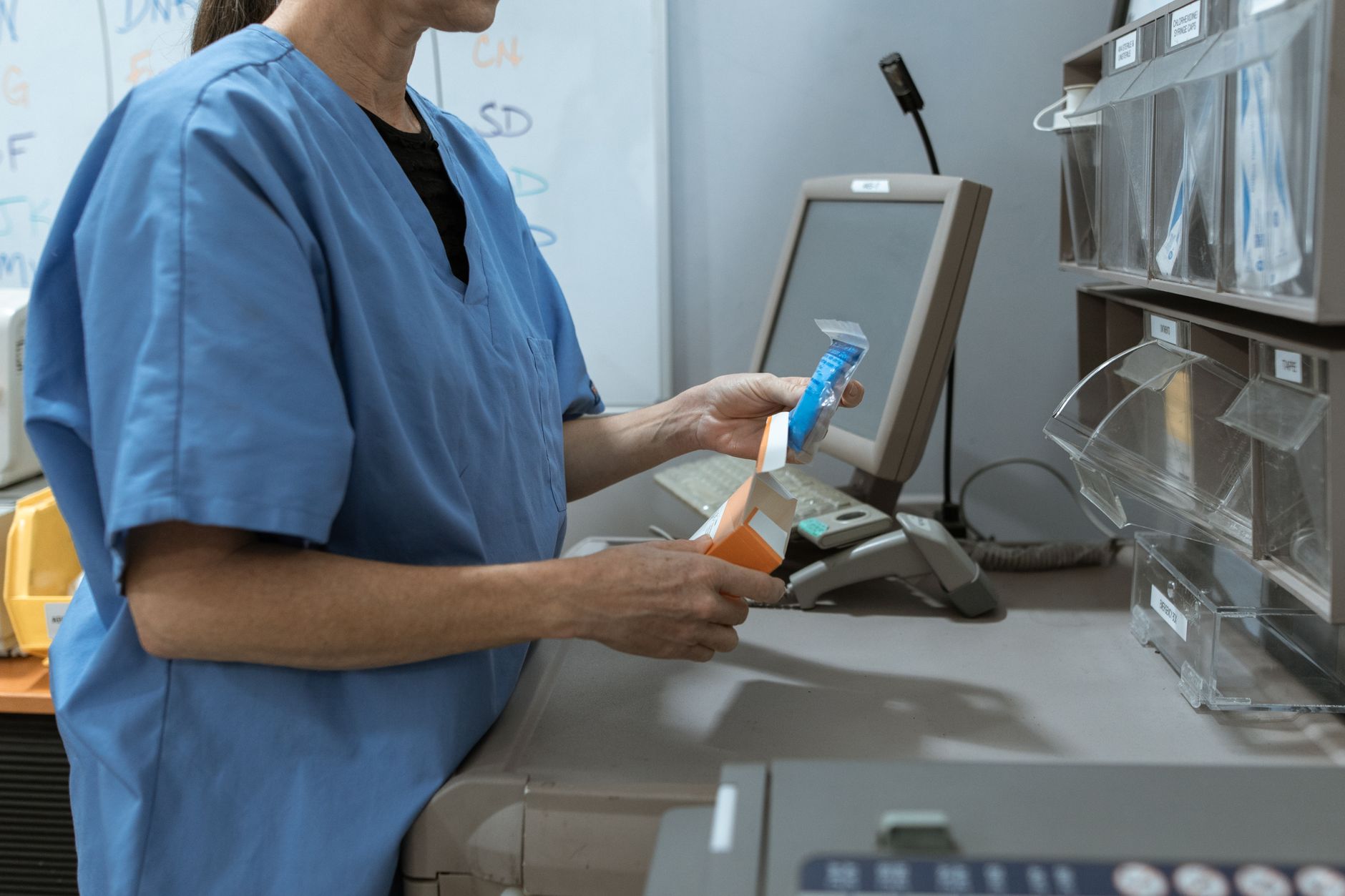
Filling every order from the shelves by hand
Before any automation arrived, orders were filled the traditional way. Staff pulled stock from shelves, measured and filled each dose, and checked the result by eye and by hand. Each of those steps carried a chance of dispensing error, and each one drew on skilled pharmacist and technician time that a hospital pharmacy rarely has to spare.
A change of this size could not pause dispensing. Orders kept arriving while the workflow was reworked, so every new step had to be measured against the one before it. The real question was how much could change safely at each step.
Three phases, one added step at a time
The rollout ran from August 2021 to October 2022 in three phases. Each phase changed one part of the workflow, and the results of each were tracked before the next phase began.
Phase I set the baseline with manual filling from shelves. Phase II brought in a carousel while an earlier unit-dose cart robot still handled carts. Phase III added the XR2 dispensing robot and retired the cart robot, so the XR2 took over work the older equipment had carried.
- Phase I: baseline, with manual filling from shelves
- Phase II: carousel introduced, with the unit-dose cart robot still in service
- Phase III: XR2 dispensing robot added and the cart robot decommissioned
- Carousel orders fell from 1,234 in phase II to 348 in phase III as work shifted to the XR2

Errors, workload shift and staffing time
The XR2 recorded a 0% dispensing error rate. Carousel use had already produced a significant reduction in dispensing errors compared with manual shelf filling, so the error gains arrived in two steps.
The overall prevented error rate did not change significantly from phase I to phase II, holding at 0.5%.
By phase III, about 71% of the workload had moved to the XR2, and carousel orders had fallen from 1,234 to 348. That shift let the pharmacy hand most of its dispensing to the robot while keeping the carousel for the remainder.
Taken together, the carousel and XR2 equaled time savings of 0.77 pharmacist FTE and 1.76 pharmacy technician FTE. Those are time equivalents, the hours returned to the pharmacy expressed as full-time roles.
What this means for a robot lease
Planning a robot rollout starts well before the robot arrives. Service Robot Co. is a full-service, OEM-neutral commercial robot integrator for US businesses. We select the right robots across manufacturers, then finance, deploy, integrate, train and service every unit through a nationwide US engineer network, so one vendor carries the whole lifecycle.
We lease robots only, on a 3-year lease with one fixed payment quoted after a site assessment. A phased deployment with no shutdown, go live support and spare unit coverage follows the same logic this pharmacy used: start with one leased unit, measure it, then decide what comes next. Whatever the robot category, the planning questions stay the same: where the robot sits, what work it takes over, and who keeps it running.
Frequently asked questions
Want a robot working for you?
Tell us the job and the site. We will recommend the robot, quote the lease, and keep it serviced.