
a hotel restaurant (operator withheld)
Hotel Restaurant Busser Robot Pilot Reports 40% Fewer Labor Hours
A 2025 hotel restaurant busser robot pilot reported a 40% cut in busser labor hours. See the approach, results and what a robot lease involves.
Deployment at a glance
- 40%
- Reported cut in busser labor hours in a 2025 pilot
- 8 weeks
- Length of the pilot period
- 35 to 45%
- Typical labor task hour cut cited for 2025 food pilots
Based on a documented real-world deployment. Figures are from public reporting; the organization is not named.
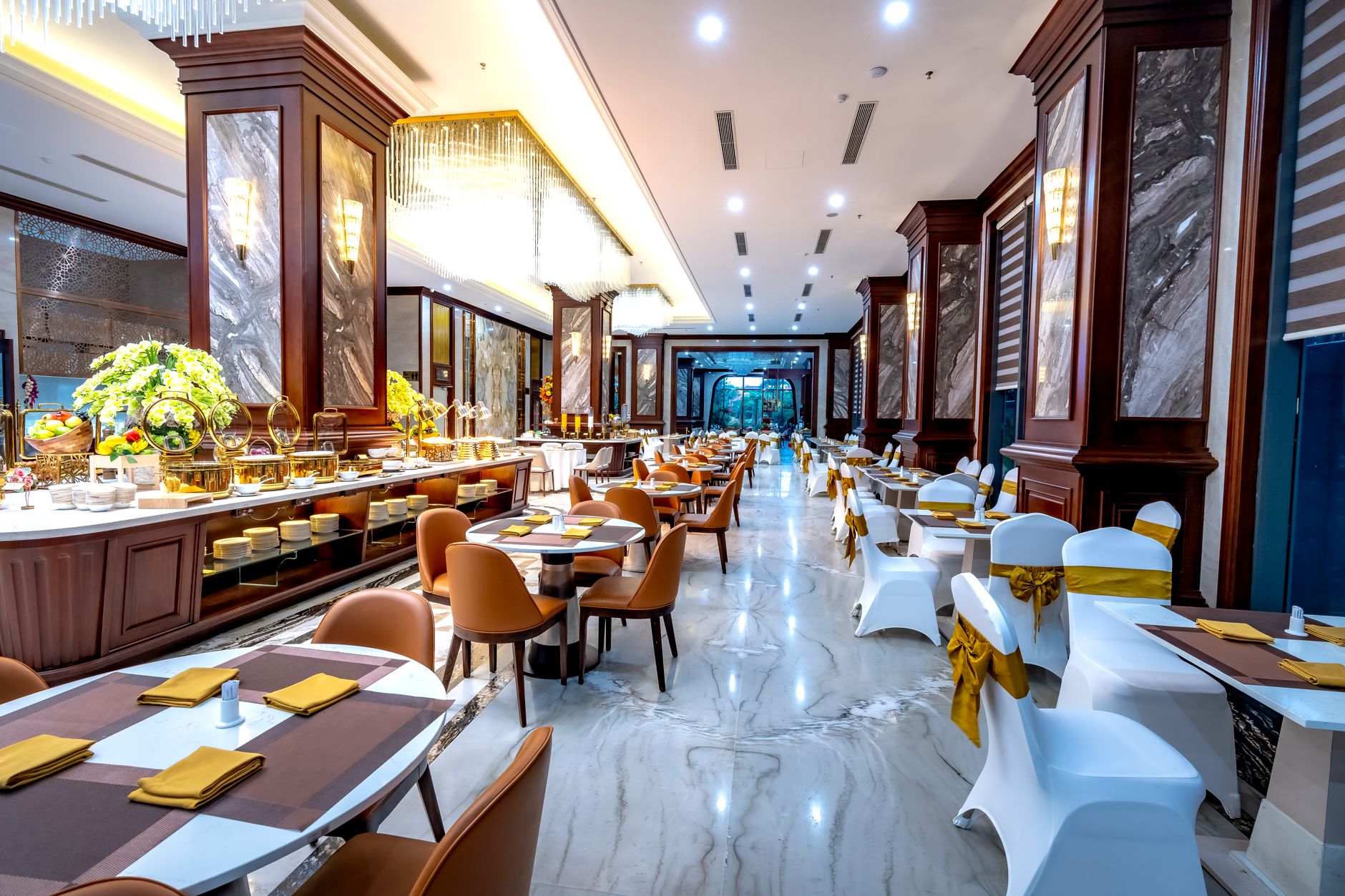
Table clearing that pulled floor staff away from guests
Bussing is one of the least visible jobs in a restaurant and one of the most repetitive. Every cleared plate, glass and tray means a trip from the table to the kitchen and back, often made by the same people who take orders and check on guests.
Hotel dining rooms carry extra pressure. Several services a day, banquets and room service can pull staff in several directions at once. Each trip looks small, yet across a shift the walking adds up to labor hours that could go to guests.
Introducing a busser robot in stages
Published guidance on restaurant robots recommends a cautious first step: start with a single delivery robot and build from there. That approach lets a team learn the clearing route, the handoff at the kitchen pass and the cleaning cycle before committing more units.
The steps below describe how a busser pilot of this kind typically unfolds.
- Select the robot and confirm the clearing route against the floor plan
- Map the dining room and agree the handoff point with the kitchen
- Train floor and kitchen staff on loading, unloading and stopping the unit
- Run one unit through service before adding a second
- Keep the unit on a set maintenance schedule
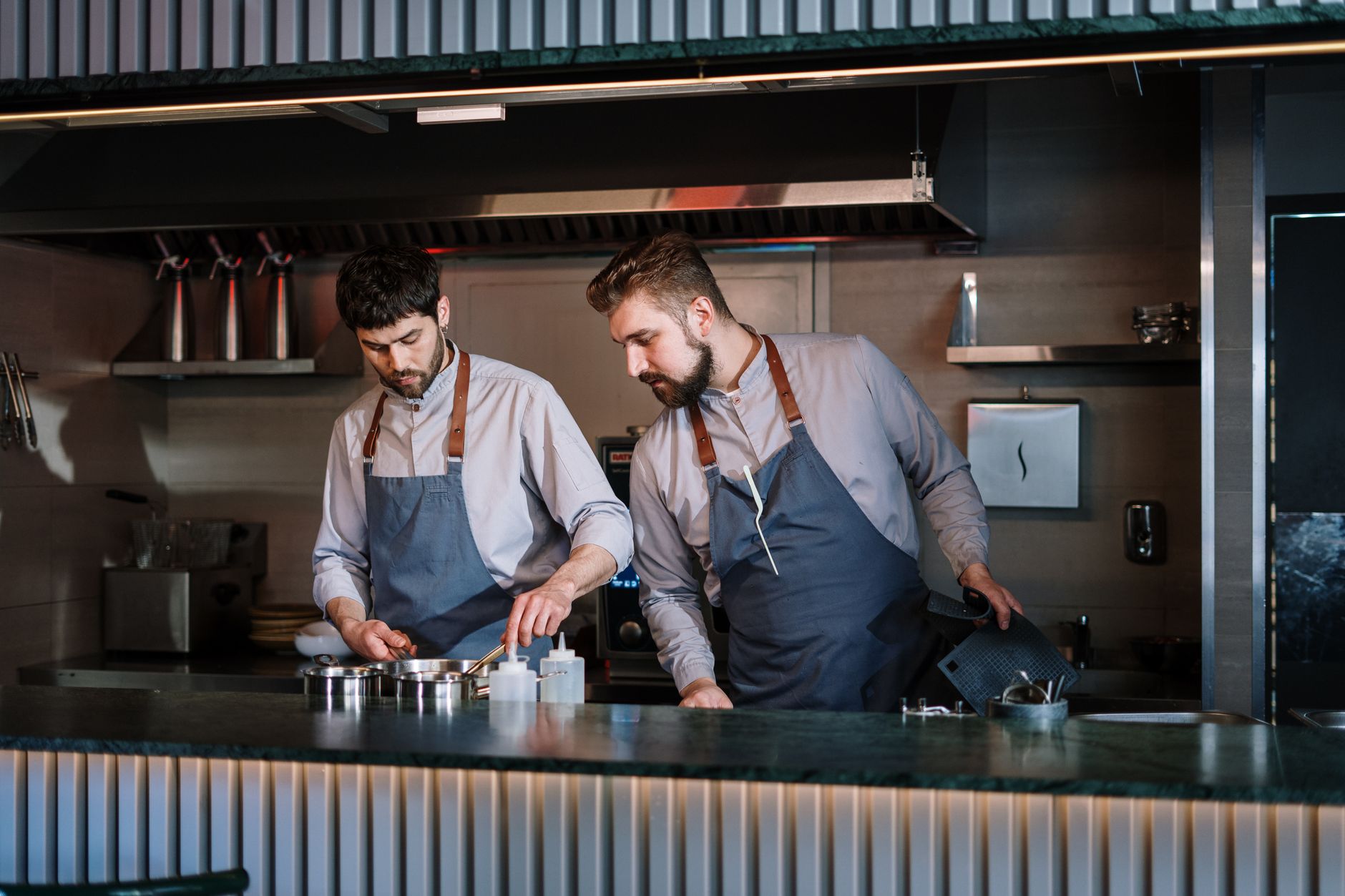
Reported outcome: 40% fewer busser labor hours
Internal pilot reporting put the cut in busser labor hours at 40%. The pilot ran for about eight weeks, and the figure reflects the table clearing trips the robot took off floor staff during that period.
The same use case summary gives a typical range for 2025 food service pilots: a 35 to 45% reduction in targeted labor task hours, and a 20 to 30% gain in table turn time for bussing deployments. Those ranges describe the field in general and are not outcomes measured at this hotel restaurant.
A bussing robot used in a lounge setting reported lower labor costs, better employee safety and an improved guest experience, though it gave no percentage. The headline result for this study is the 40% cut in busser labor hours.
What a busser robot lease looks like with us
Service Robot Co. is a full service, vendor neutral commercial robot integrator for US businesses. We select the right robot across manufacturers, arrange the financing, handle deployment and integration, train the team and service every unit through a nationwide US engineer network, so one partner covers the whole lifecycle.
Our robot lease options run for three years, with one fixed lease payment quoted after a site assessment. A restaurant can begin with a single leased unit, as the guidance above suggests, and widen the fleet once the service data supports it. The hotel restaurant described here ran its pilot without Service Robot Co. involvement.
Frequently asked questions
Want a robot working for you?
Tell us the job and the site. We will recommend the robot, quote the lease, and keep it serviced.