
a high-volume hotpot restaurant in China running long service hours with a small runner team
How a Hotpot Restaurant Saved 11,000 RMB Monthly With Two Delivery Robots
Hotpot case study: two delivery robots and one waiter replaced two runners plus temp staff, with published monthly savings of about 11,000 RMB and higher weekday dish counts.
- 11,000
- RMB saved/mo
- 2
- Delivery bots
- 120
- Weekday dishes
- 1
- Waiter role
Based on a documented real-world deployment. Figures are from public reporting; the organization is not named.
Runners consumed the shift
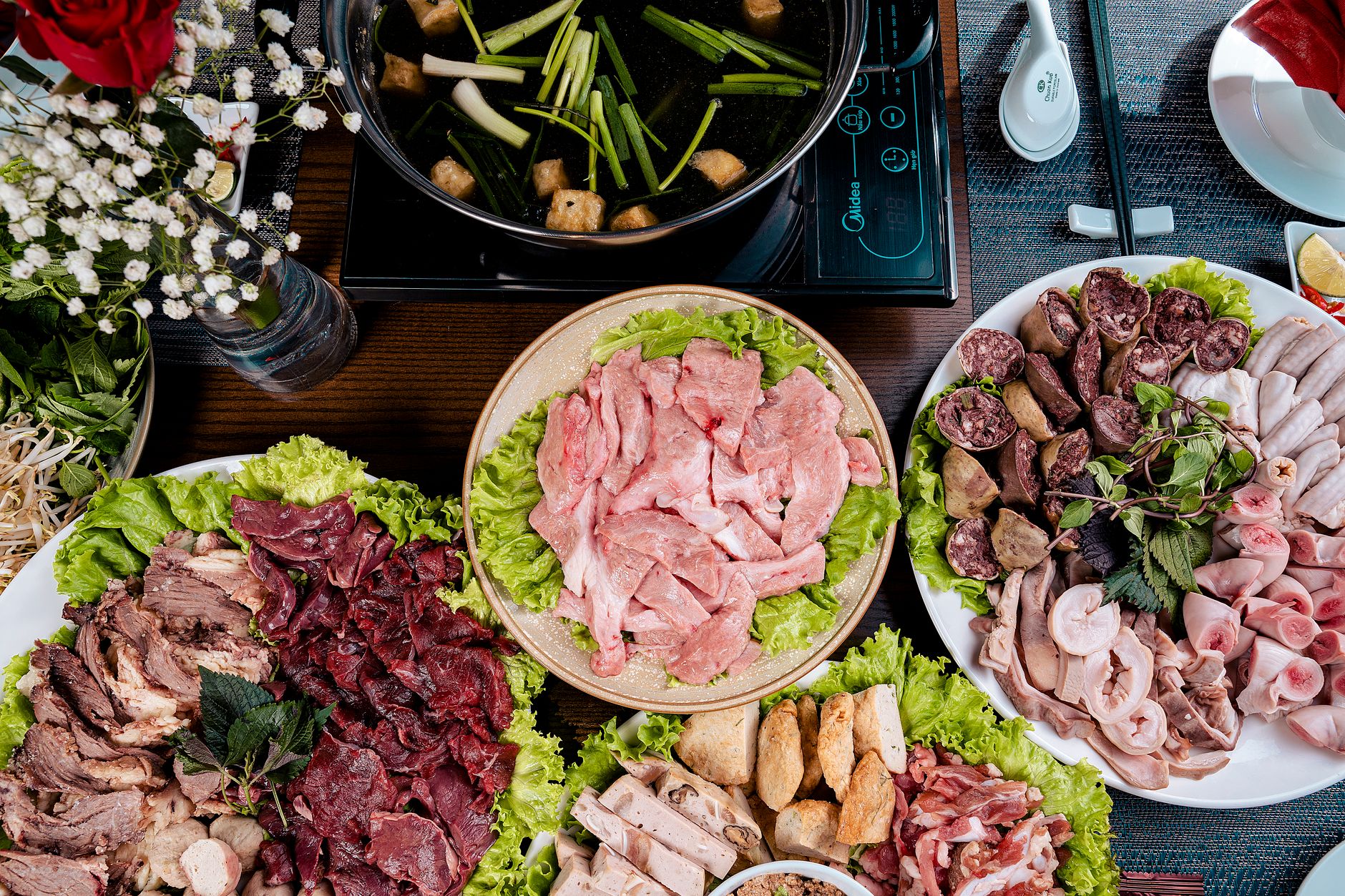
Hotpot service stacks tray runs during long dining windows when broth refills and shared plates keep servers moving. The site relied on two dedicated waiters for food running plus temporary staff on holidays, which made labor costs swing with cover spikes.
Managers wanted steady delivery capacity without keeping a second runner on payroll every slow weekday. They also needed numbers finance could compare between manual runs and robot-assisted shifts.
- Two waiters handled most food-running duty on busy shifts.
- Holiday covers required extra temporary runners.
- Manual delivery cost was tied to headcount every month.

Two robots, one prep-focused waiter
Leadership added two delivery robots to the food-running path so one waiter could shift toward prep while robots handled repetitive tray loops. Published staffing tables show the manual model used two waiters plus temporary help, while the robot model used one waiter paired with two delivery units.
The robots were scheduled across long operating windows, up to twenty-four hours in the comparison materials, so night and weekend peaks could share the same fleet instead of hiring another runner for each spike.
- Two delivery robots integrated into the hotpot running path.
- Waiter role shifted from runner to prep-focused work.
- Operating hours extended across weekday and holiday schedules.
- Finance tracked manual versus robot monthly cost lines.
Reported savings and dish counts
The public comparison cites about eleven thousand RMB in monthly savings after the redeployment, using the labor and robot cost assumptions shown in the case tables. Treat that figure as reported case data, not a guarantee for every US restaurant.
Weekday dish counts in the same materials rise from about one hundred dishes per workday under the manual model to about one hundred twenty with robots, while holiday counts move from about one hundred eighty to two hundred twenty. Those throughput numbers sit beside the staffing change from two runners to one waiter plus two robots.
What US operators can borrow
This is a documented China hotpot deployment, not a Service Robot Co. customer story. It still shows how runner headcount and dish throughput can move together when robots own repetitive loops.
Service Robot Co. helps US restaurants compare runner counts, financing paths, and rollout phasing against high-cover dining models. We select OEM-neutral hardware, deploy and train on your aisles, and keep units running through RoboCare after routes are live.