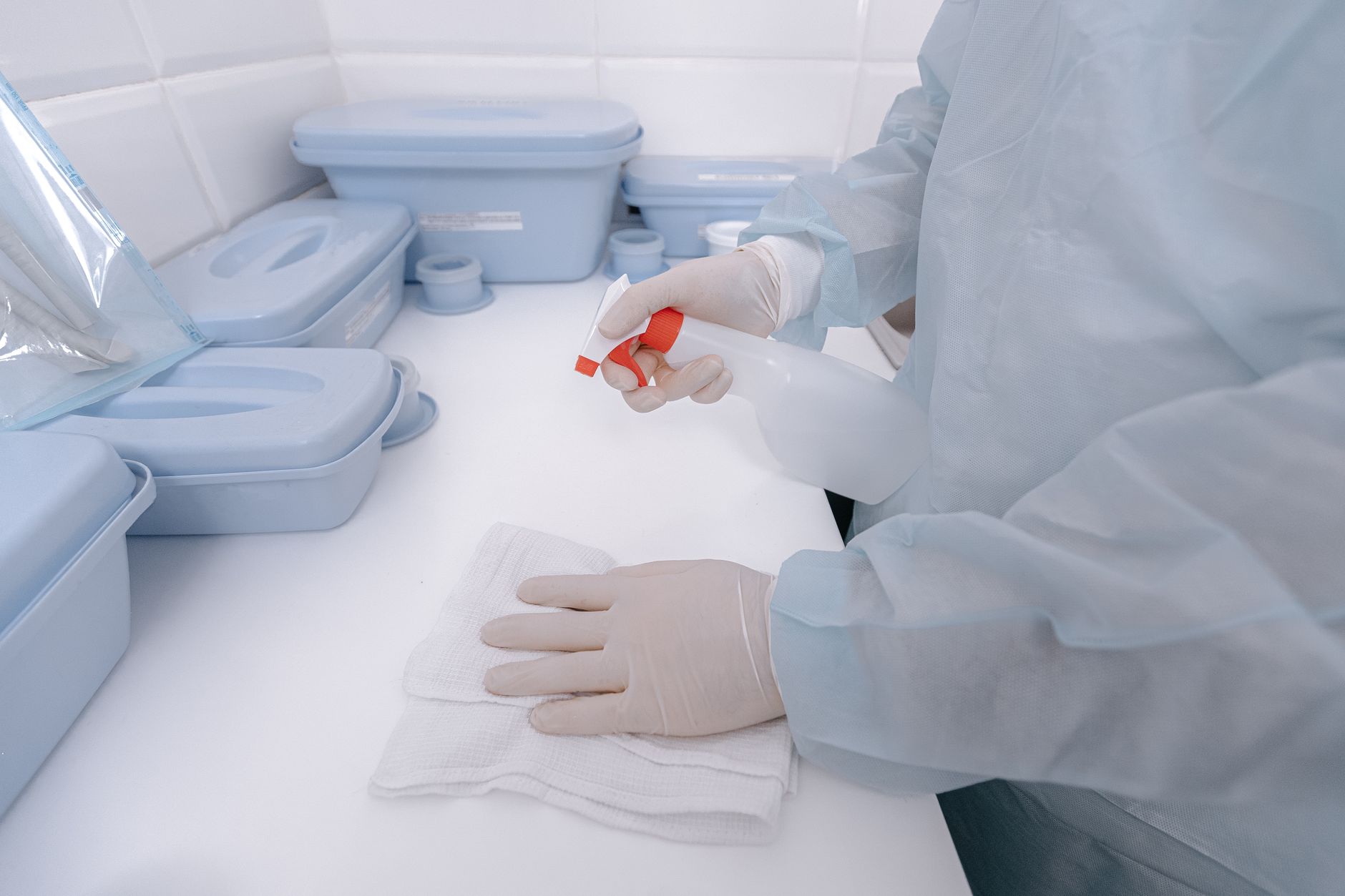
a multi-block academic medical center in the Midwest with a 22-person environmental services team
How a Large Academic Medical Center Freed 3,233+ EVS Hours With Cart-Towing AMRs
Five cart-towing AMRs logged 78,000+ linen and waste deliveries in 2024 at a Midwest academic hospital, freeing 3,233+ EVS hours for patient-facing work.
- 3,233+
- Hours redirected
- 78,000
- Deliveries in 2024
- 9,700
- Miles towed
- 5
- Cart-towing AMRs
Based on a documented real-world deployment. Figures are from public reporting; the organization is not named.
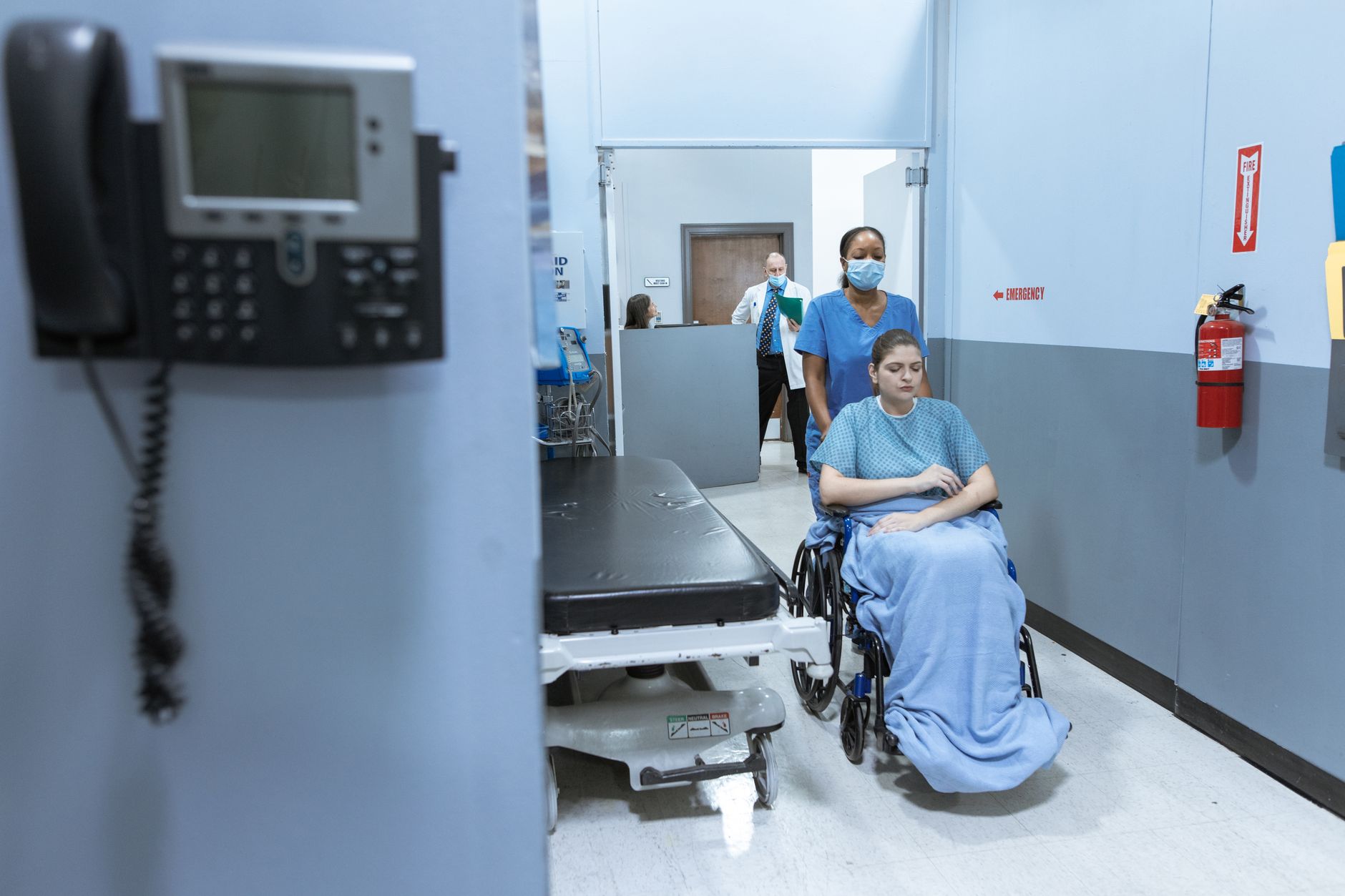
Heavy carts across a campus built for foot traffic
Environmental services at this Midwest academic medical center covers millions of square feet across multiple city blocks and more than a dozen inpatient floors. Soiled linen, general trash, recycling, and regulated medical waste all move on wheeled carts that strain backs when staffing is fixed at twenty-two EVS employees.
Supervisors were losing hours to predictable walks between units, utility rooms, and the sanitation dock. Construction on adjacent clinical space also forced temporary detours, so familiar paths kept changing while demand for visible cleanliness stayed high.
- Manual cart towing raised injury risk on every shift
- Small EVS crew could not absorb extra miles from route changes
- Leadership needed hours back for room turns and patient-area sanitation
Queued tug jobs with human oversight
The hospital deployed five autonomous cart-towing mobile robots that locate laundry carts, lift them, and tow loads through corridors mapped for clinical traffic. Supervisors assign transport jobs to a queue while an EVS lead monitors runs from a workstation or tablet, stepping in when obstacles need a human decision.
Each unit runs on a twelve-hour cycle before it docks to charge. EVS staff trained clinical teams on how to share hallways with the robots so deliveries stay predictable. Routes were programmed during rollout and only need updates when physical construction changes a path.
- Five cart-towing AMRs on inpatient routes since 2023
- Forward-facing sensors for slow obstacle avoidance
- EVS owns queue management and staff education
Measured miles, deliveries, and redirected time
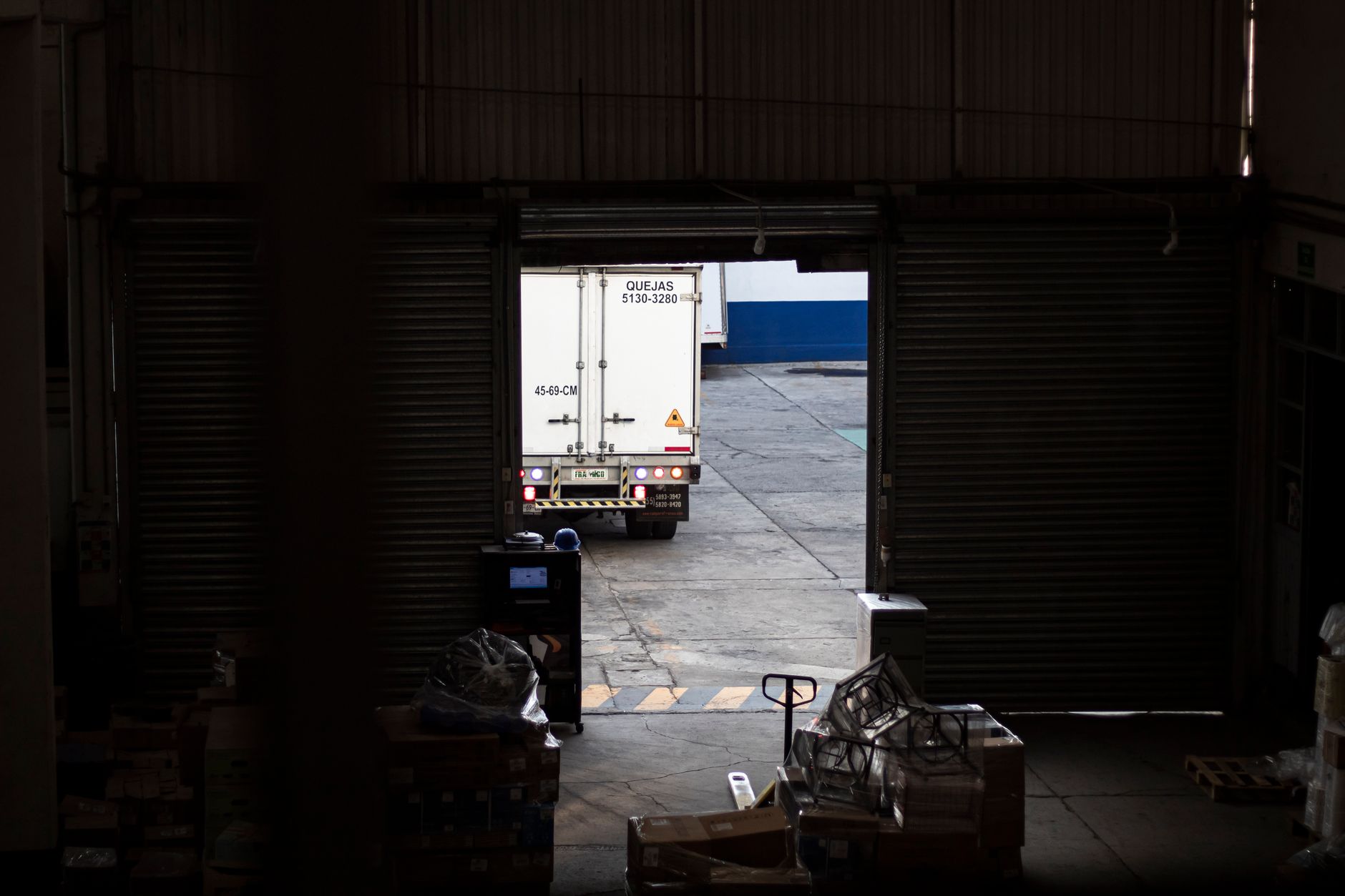
In 2024 the fleet traveled more than 9,700 miles and completed more than 78,000 deliveries while moving more than six million pounds of trash, 740,000 pounds of recycling, and 370,000 pounds of regulated medical waste.
Leadership translated that travel into capacity: assuming an average walking speed of three miles per hour, the robots equated to more than 3,233 hours EVS could spend supporting patient care operations instead of hauling carts to the dock.
Supervisors report higher morale because the robots absorb the longest, heaviest loops, including periods when construction blocked standard trash and linen routes.
What similar hospitals can expect from an integrator
Cart-towing AMRs pay off when your problem is distance and weight, not just dirty floors. Service Robot Co. stays vendor neutral, so you compare tug platforms against other material-handling options before you buy or lease through financing.
We map corridors with EVS and facilities, phase go-live by building wing, and keep RoboCare support on call when routes change after construction. A free site assessment is the right starting point if your linen and waste miles keep growing faster than headcount.